
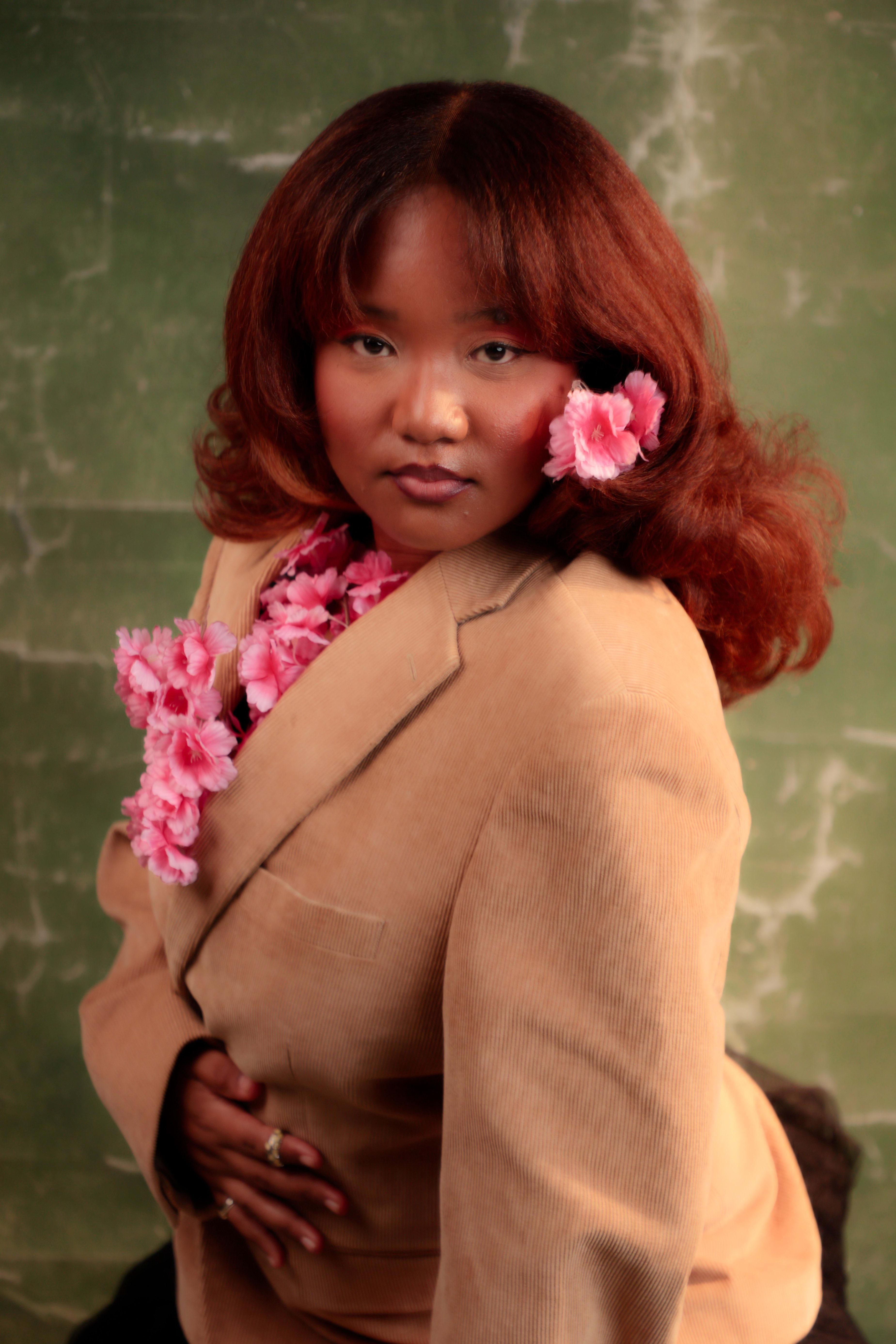
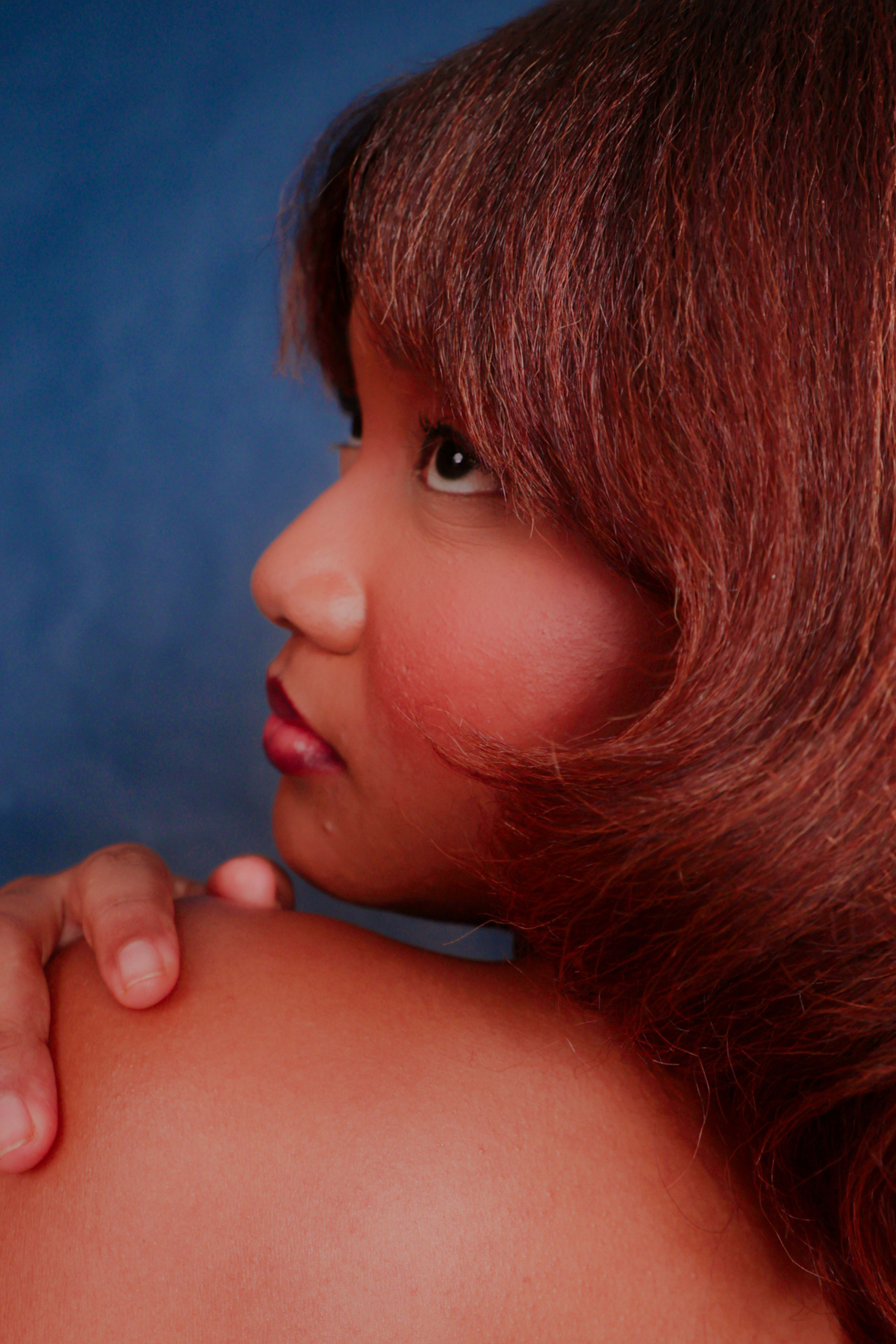
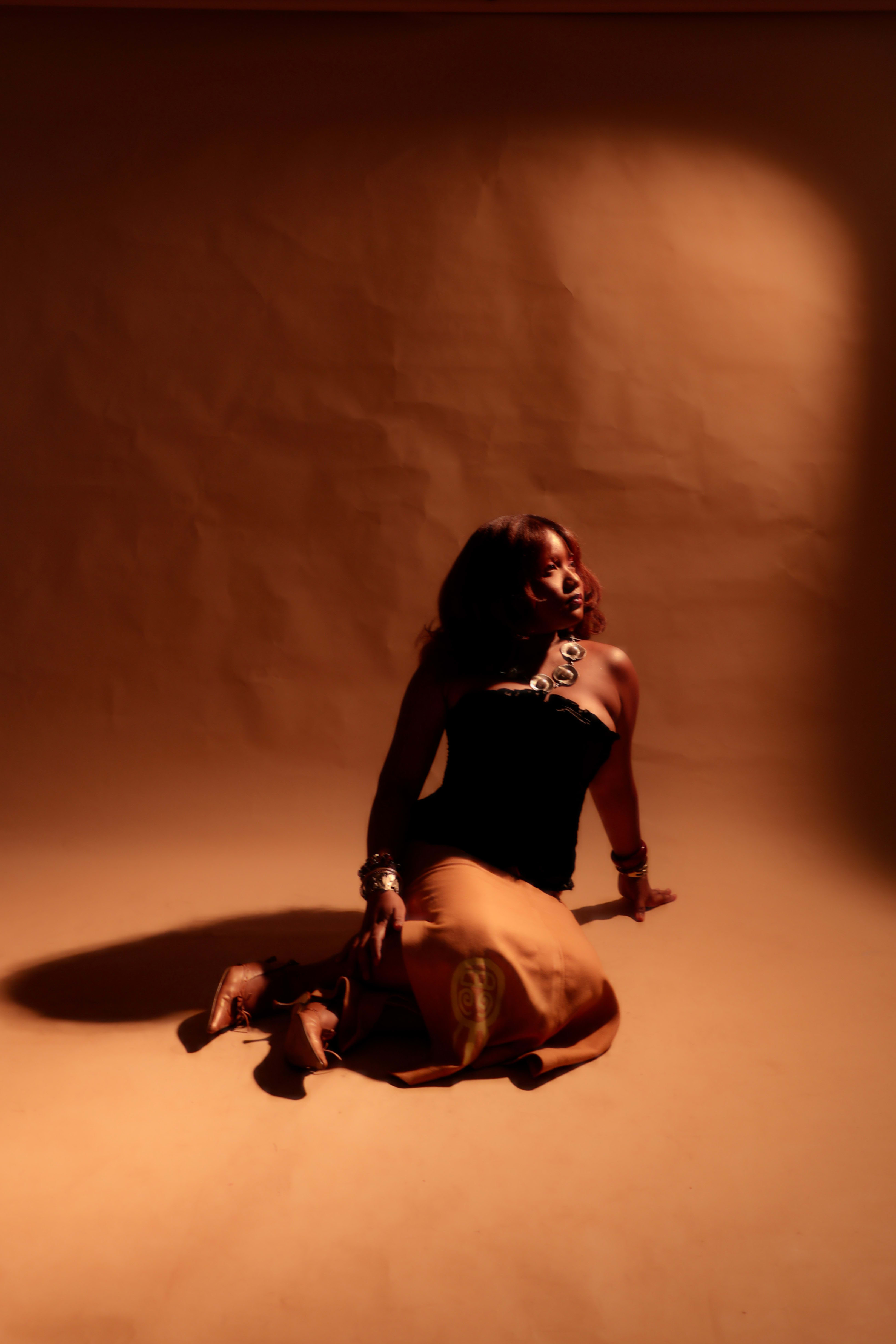
Photos by Erica Aryee — @pxceria | Written by Joey Average
Okay, so I owe Anabel Rose an apology.
Not a dramatic one. Just the quiet kind you make when you've been sitting on something good for too long.
We had this interview. It was one of those replies where everything lands exactly the way you want it to — honest, no filler, the kind of back-and-forth where you close your notes app and just think, yeah, this is why we do this. And then life happened. The way it does when you're running something small with big ambitions. Things get moved, then shelved, then you look up and it's been a minute.
But here's the thing. I almost think it worked out better this way.
Because Anabel Rose in the moment we're in right now? She's beyond where she was when she sent in the interview. And whatever I wrote then wouldn't have had the weight this needs. So let this be the version that does her justice.
The first thing you need to understand about her is that she isn't in a rush to be figured out.
And I mean that in the specific way. Not in the "mysterious artist" way people use as a press kit strategy. I mean she genuinely seems more interested in what music can become for her than in what she can become for the industry. She was barely a year into the scene when she started figuring out what to even call herself. And the label she landed on wasn't for anyone else's benefit.
"Calling myself alt-pop was really about protecting my curiosity and my right to experiment without boxing myself in too quickly."
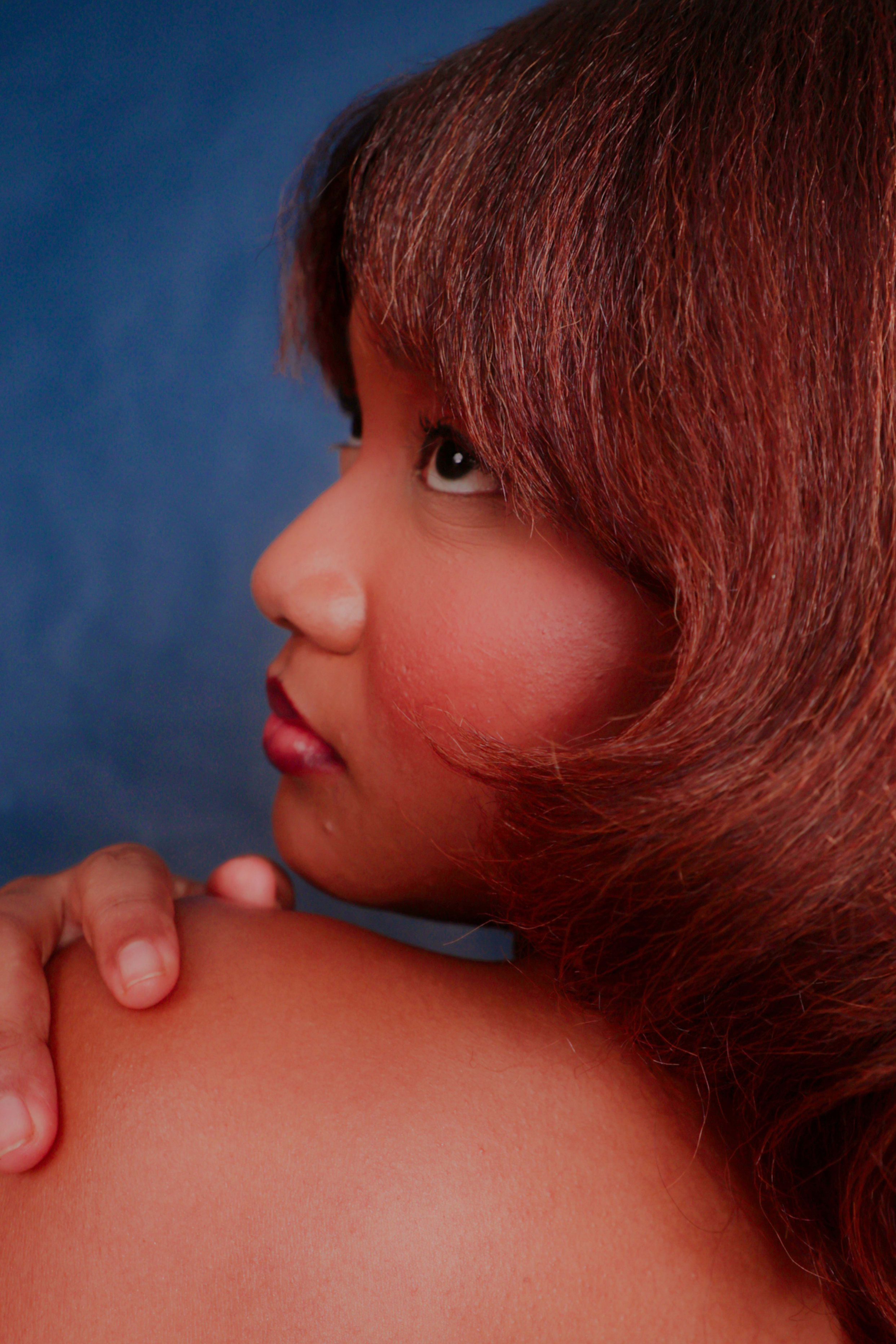
Photo by Erica Aryee — @pxceria
That's not a branding decision. That's a survival decision. And there's a difference.
She talked about wanting the freedom to bring R&B, rock, bossa nova, highlife into the same room. Not to prove some eclectic personality, just because that's genuinely what's in her ear. She mentioned Somadina and Amaarae as reference points, artists who always seemed to move on their own terms. You could tell those weren't name-drops. They were landmarks she'd actually navigated by.
The genre conversation is the easy entry point. But what's more interesting is what sits underneath it.
There's a specific pressure that young African artists rarely talk about openly. The pressure to arrive already figured out. Already marketable. Already packageable into one clean sentence. And Anabel's aware of it. Not in a paranoid way. In a clear-eyed, I've-already-thought-about-this way.
When I asked about creative freedom and where she sees herself in the next ten years of African music, she didn't give me a vision board answer.
"Honestly, the hardest lesson I'm learning this year is that the only person who can really put me in a box is myself. Anytime I second-guess a decision or allow my creative instincts to waver because of what someone said or what people might think, I shrink myself a little bit more."
That's not said for effect. That's someone mid-process, actively working something out in real time. And then she added the part that I keep coming back to — that full creative freedom, to her, also requires staying a student. That your instincts are only as strong as the knowledge underneath them.
That level of self-awareness is rare at any stage of a career. Let alone this early.
Imperfect Daughters is the obvious place to start if you're new to her music. Not because it's the loudest thing she's made but because it's the most direct. It's the song that makes the most sense of everything else.
She described it as a subconscious letter to her childhood self. A healing conversation across time.
"Growing up in an African society, many people who choose a less traditional path — especially a creative one — face pushback not only from those around them but from themselves as well. The life we chose wasn't necessarily encouraged when we were kids. In school we would shout out 'scientist,' 'lawyer,' or 'doctor' during career day. The one kid who said he wanted to be an actor was usually laughed at."
Most of us from this part of the world know that room. We sat in it. Some of us are still trying to leave it.
What the song does well is resist the inspirational-poster version of that story. It doesn't wrap the struggle in a bow. It sits with the confusion, the missteps, the quiet breakthroughs that don't announce themselves. She called it a love letter to creatives brave enough to walk the uncertain path. Not to celebrate arriving, but to say you're doing the damn thing, and eventually we'll see the other side.
That's a different kind of hope. More honest. More useful, honestly.
She's part of 99PHACES, the Accra-based collective, and I asked her about how you build a solo identity inside something collective without pulling away from it. Her answer said a lot about how intentional she is about the whole picture.
"I've always been clear about who I am as an artist and what I want to represent sonically and narratively. Working with 99PHACES simply expanded the tools I had to pursue that vision."
Not a tension. An addition. That kind of clarity about where you end and a collective begins is something most artists spend years trying to figure out. She seems to have built the map early.
When she performed outside Africa for the first time, Ghana to Nigeria to Hamburg with The Cavemen, something shifted in how she understood what her music could actually do in the world.
"I was struck by the variety of spaces, venues, and audiences that were open to discovering something new. Even if they don't fully understand the language or themes, they can still feel the soul behind the music."
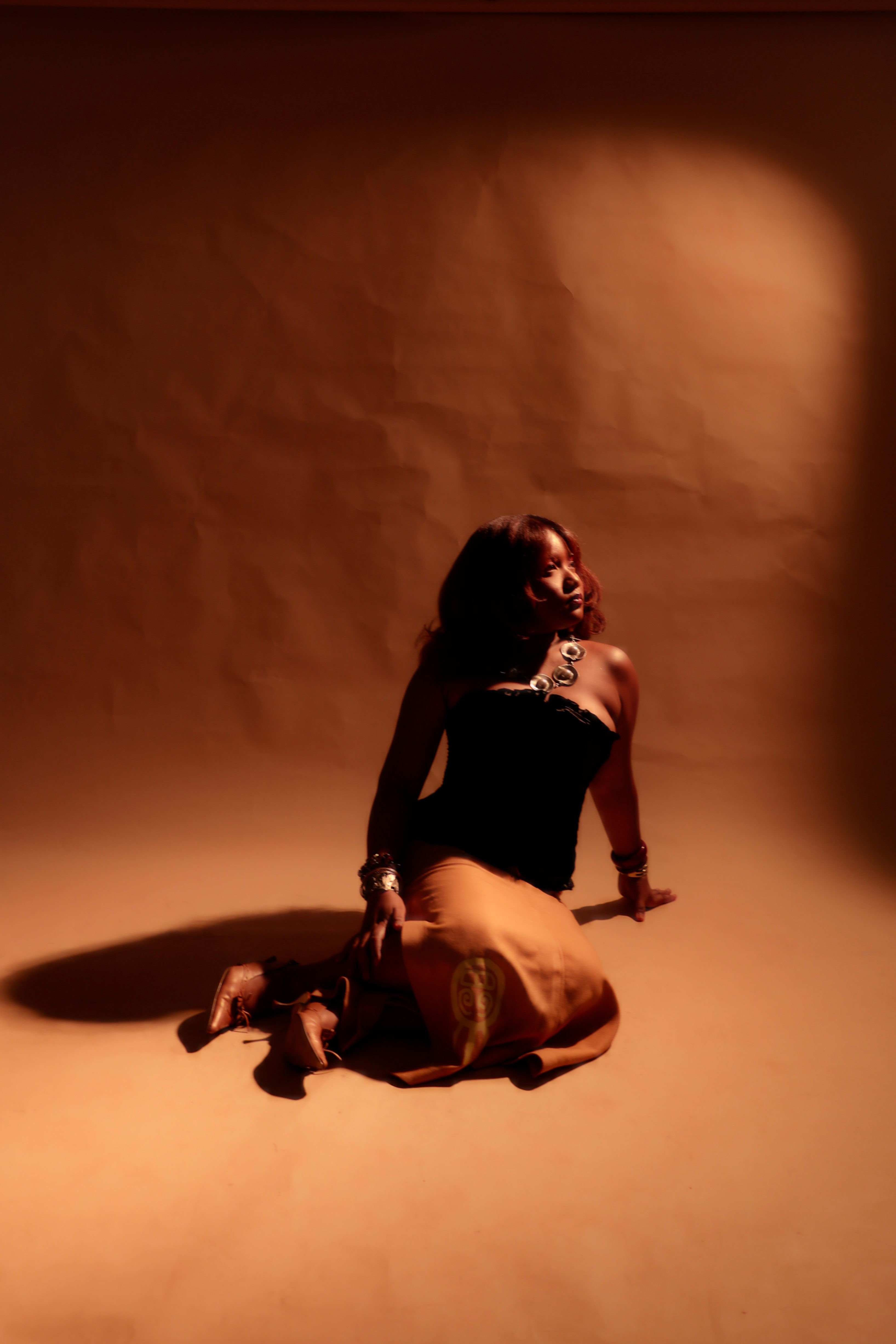
That's the thing alternative African music keeps proving, quietly and consistently. Honesty travels. You don't need to shrink the cultural specificity to reach people. If anything, the specificity is exactly what reaches them. People everywhere are looking for something that feels real. Accra is real. Her voice is real. That combination clears a lot of borders.
I asked her the question I always save. Who is the artist five records from now, and what does she know that you're still learning?
"I think future Anabel will have mastered the art of true, unbridled experimentation. Right now it exists more as a feeling — an untapped well of curiosity and desire that I'm still learning how to refine... We often admire artists who seem to effortlessly bend genres, but the truth is that behind that freedom is a lot of learning, attention to detail, and years of craft-building."
She's not in a hurry. And in an era where the algorithm rewards whoever moves fastest, that kind of patience is almost countercultural.
This is the version of the feature I'm glad we waited to publish. Not because the earlier one wouldn't have been good, but because she's grown into something the earlier version of this story couldn't have fully held.
Watch Anabel Rose. Not because she's next up. Not because of any genre wave or playlist placement or collective co-sign, though all of that is real. Watch her because she's building something with intention. One experiment at a time. One honest song at a time.
And she's only just getting started.