
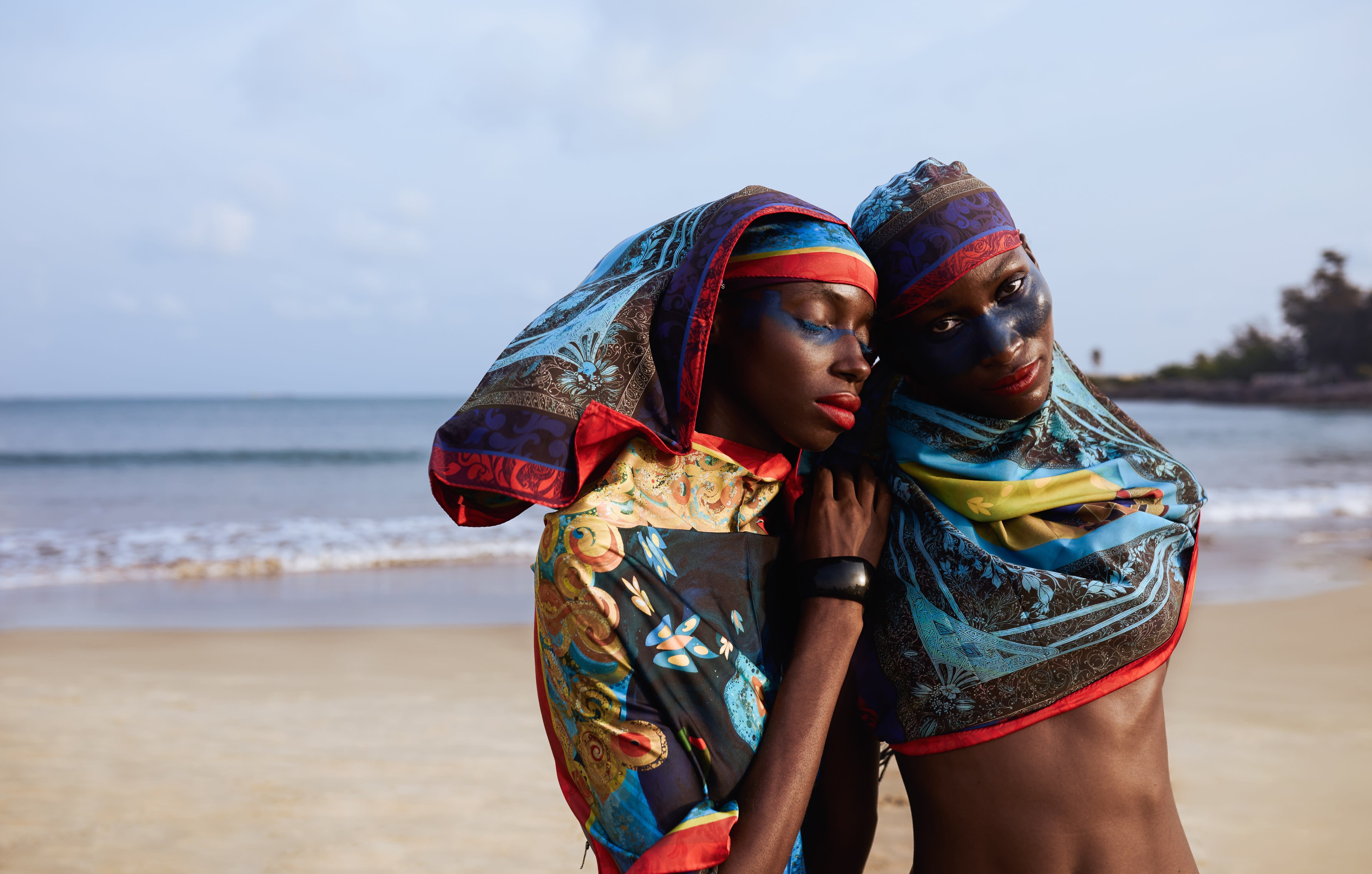
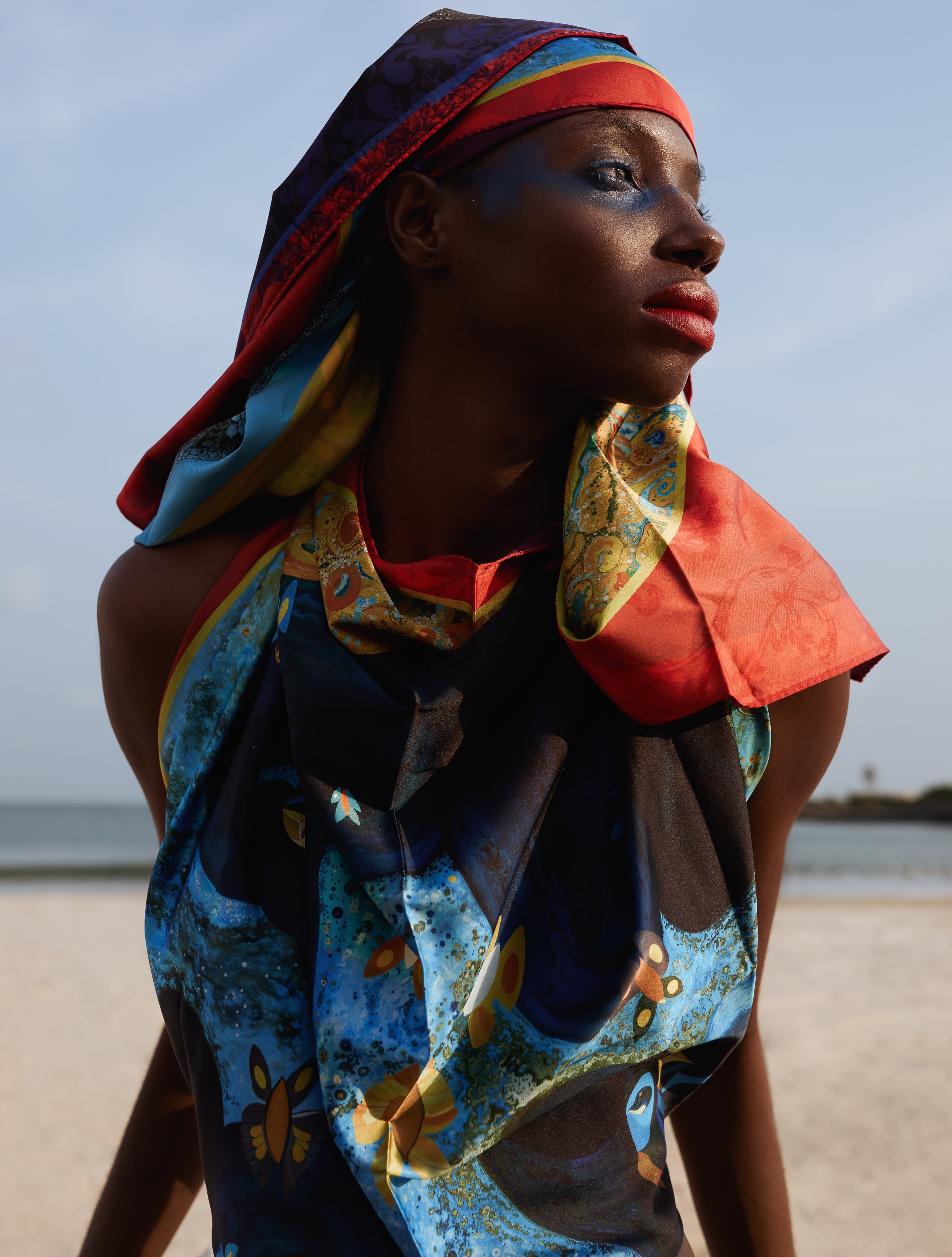
BlueWoman Series III: Between Crown and Current by Gbolahan Ayoola

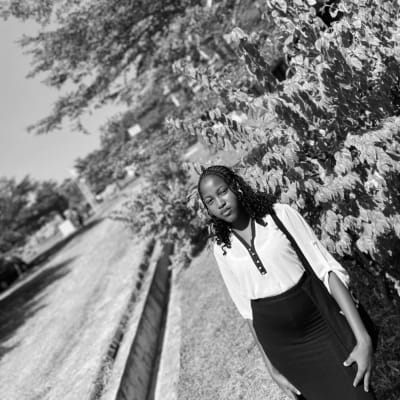
Gbolahan Ayoola, Lagos-based visual artist and creator of the BlueWoman series
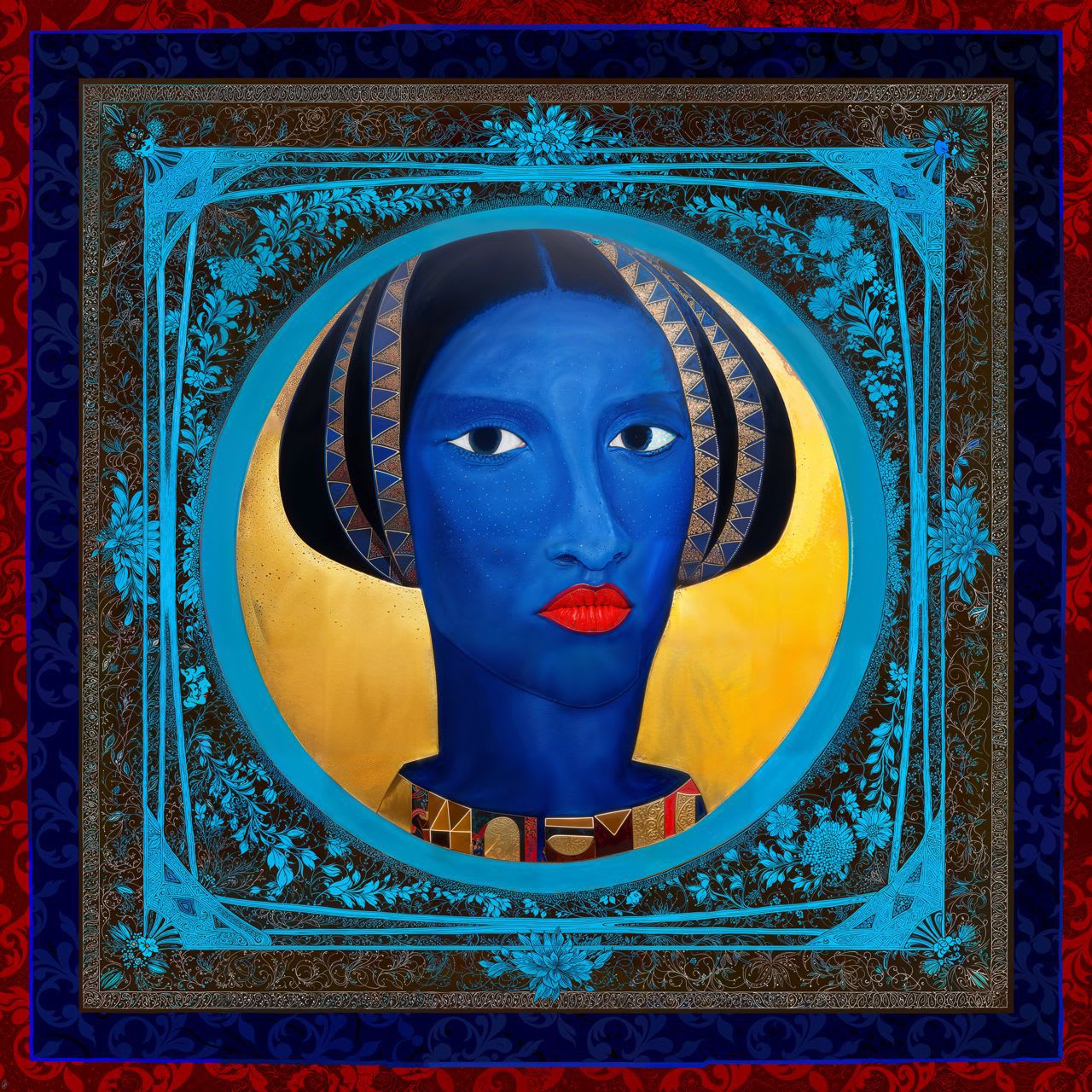
There’s something familiar about Gbolahan Ayoola’s Between Crown and Current, even before you fully understand it.
It doesn’t feel like something you need to decode. It feels like something you already live with.
Created with Fresco Gallery, this is the third edition of the BlueWoman series, a body of work Ayoola has been building around identity, memory, and the quiet tension between who we are and how we appear. But this third edition moves with a different kind of softness. Less about announcing an idea. More about sitting inside one.
And the idea is simple, but not comfortable: we are never just one version of ourselves.
Two Sides, One Person
The work is built on contrast, but not in an exaggerated way.
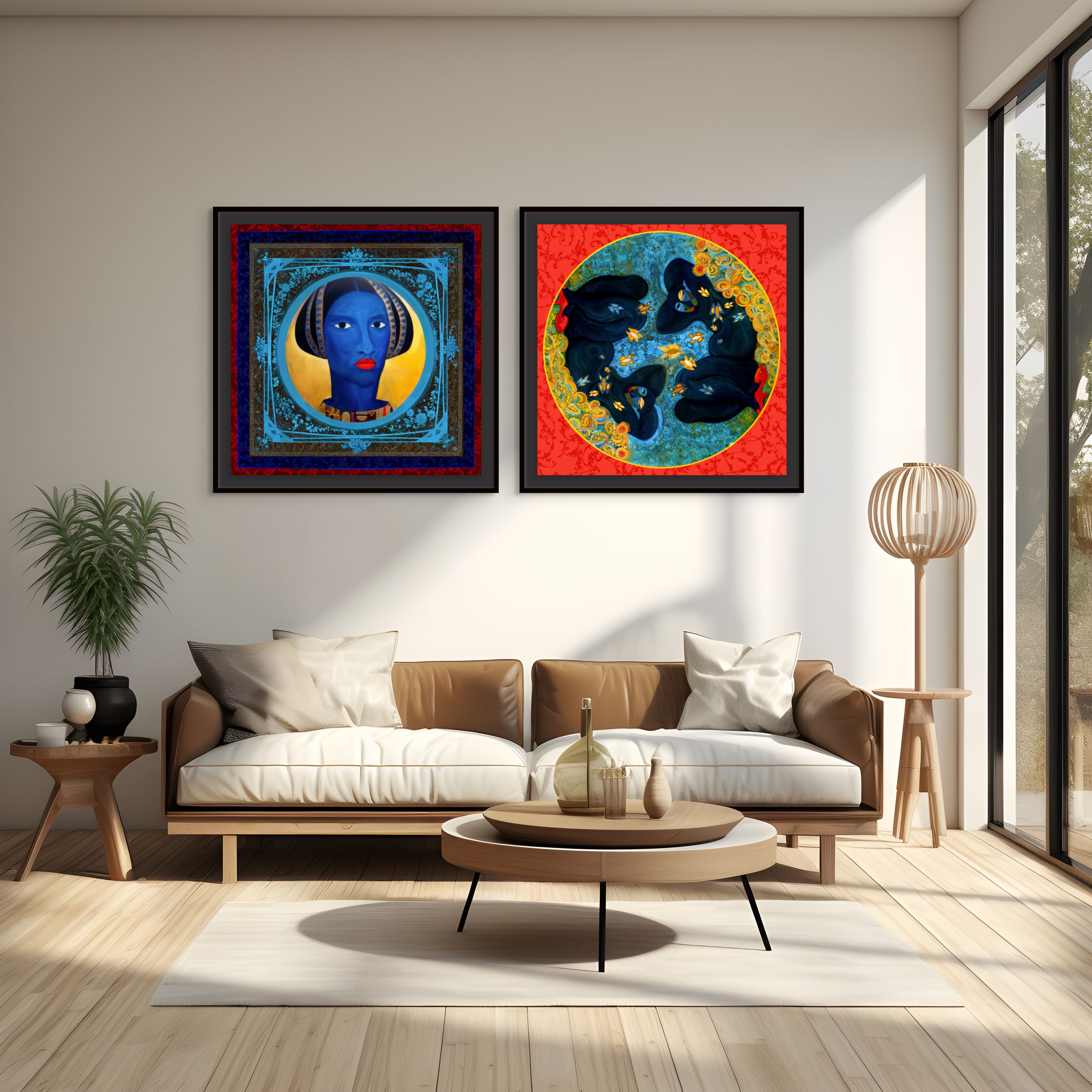
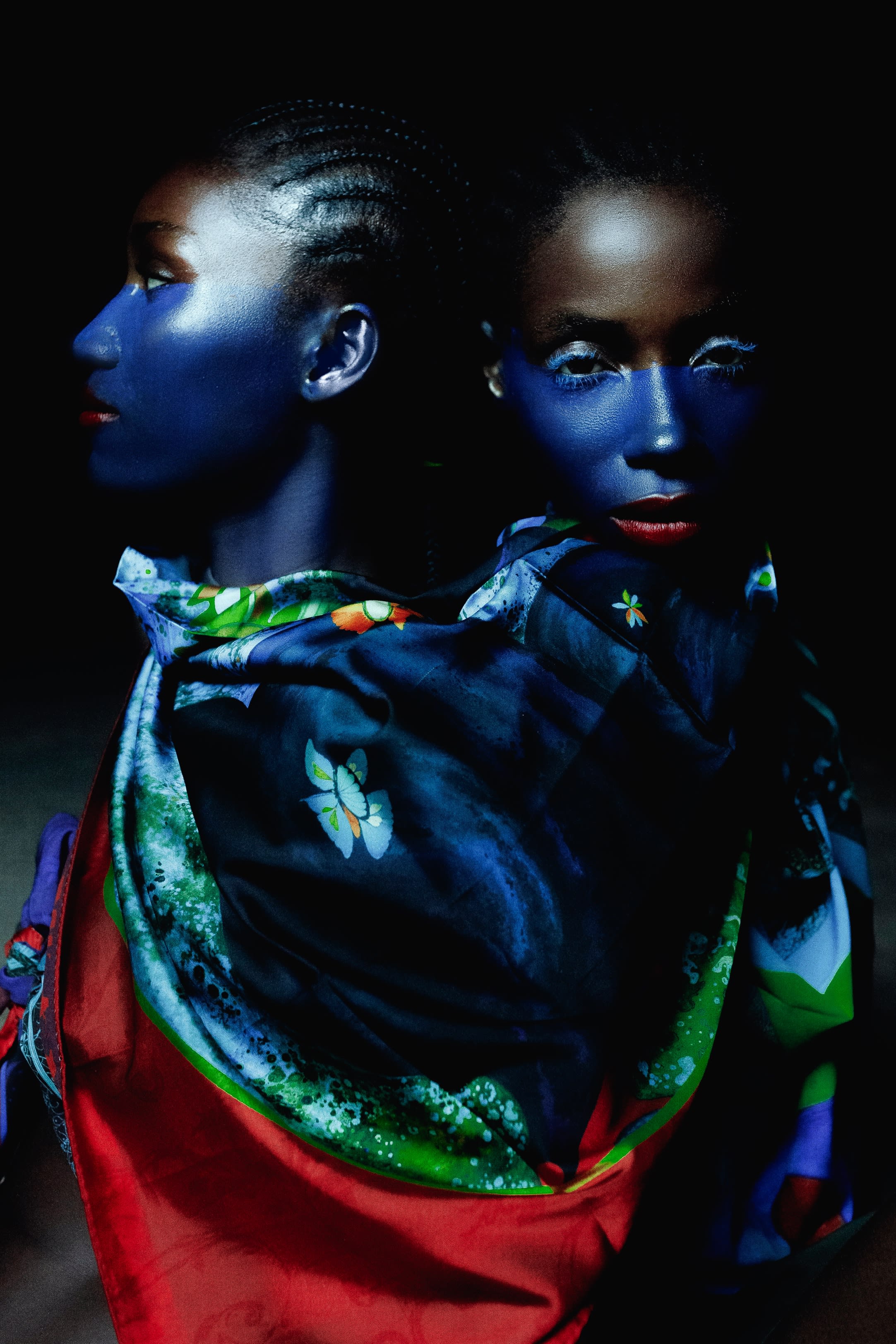
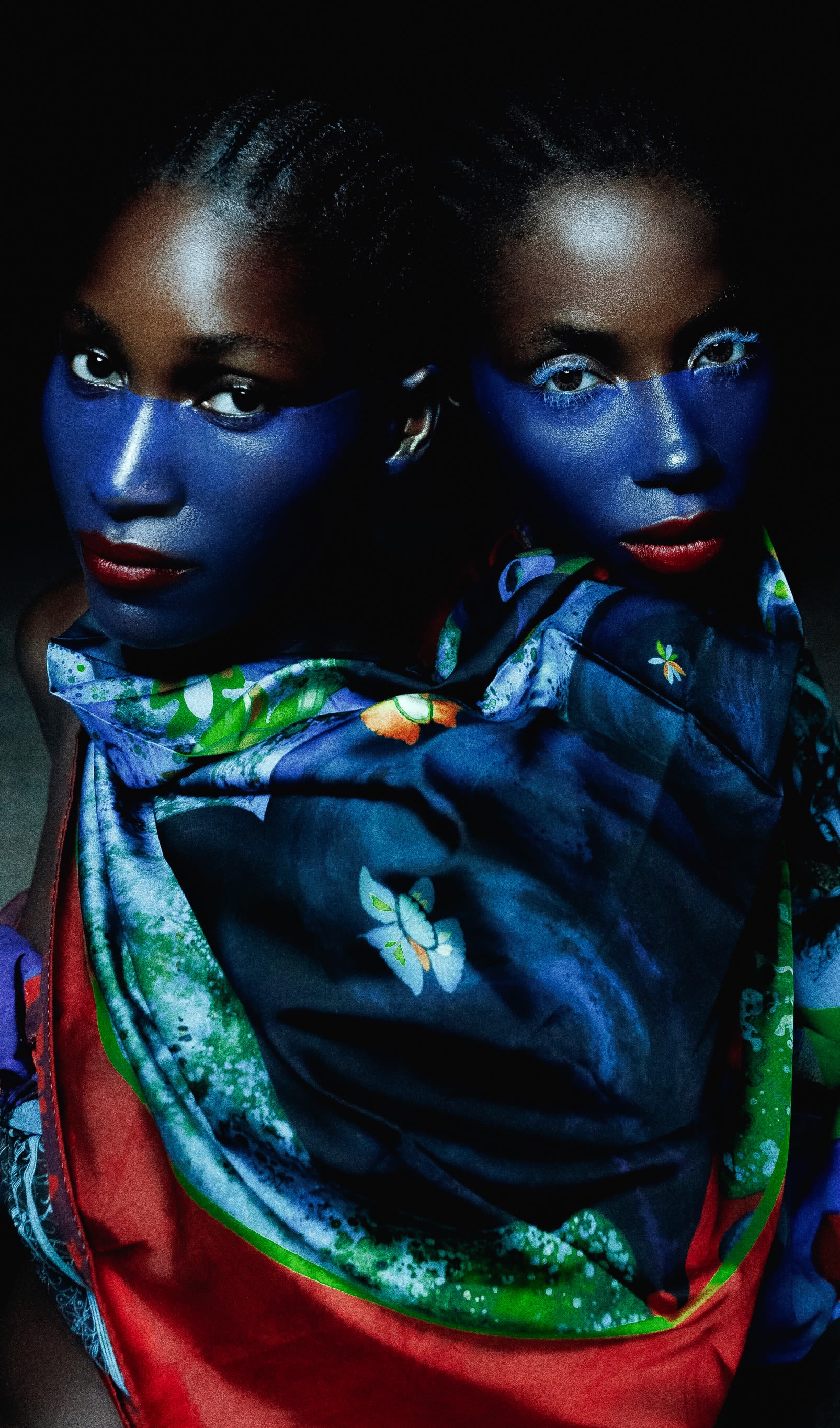
On one side, there’s a composed figure direct, still, aware of being seen. It feels like the self we all learn to present. The version that knows how to hold itself together in public. The version that stays composed, even when things aren’t clear.
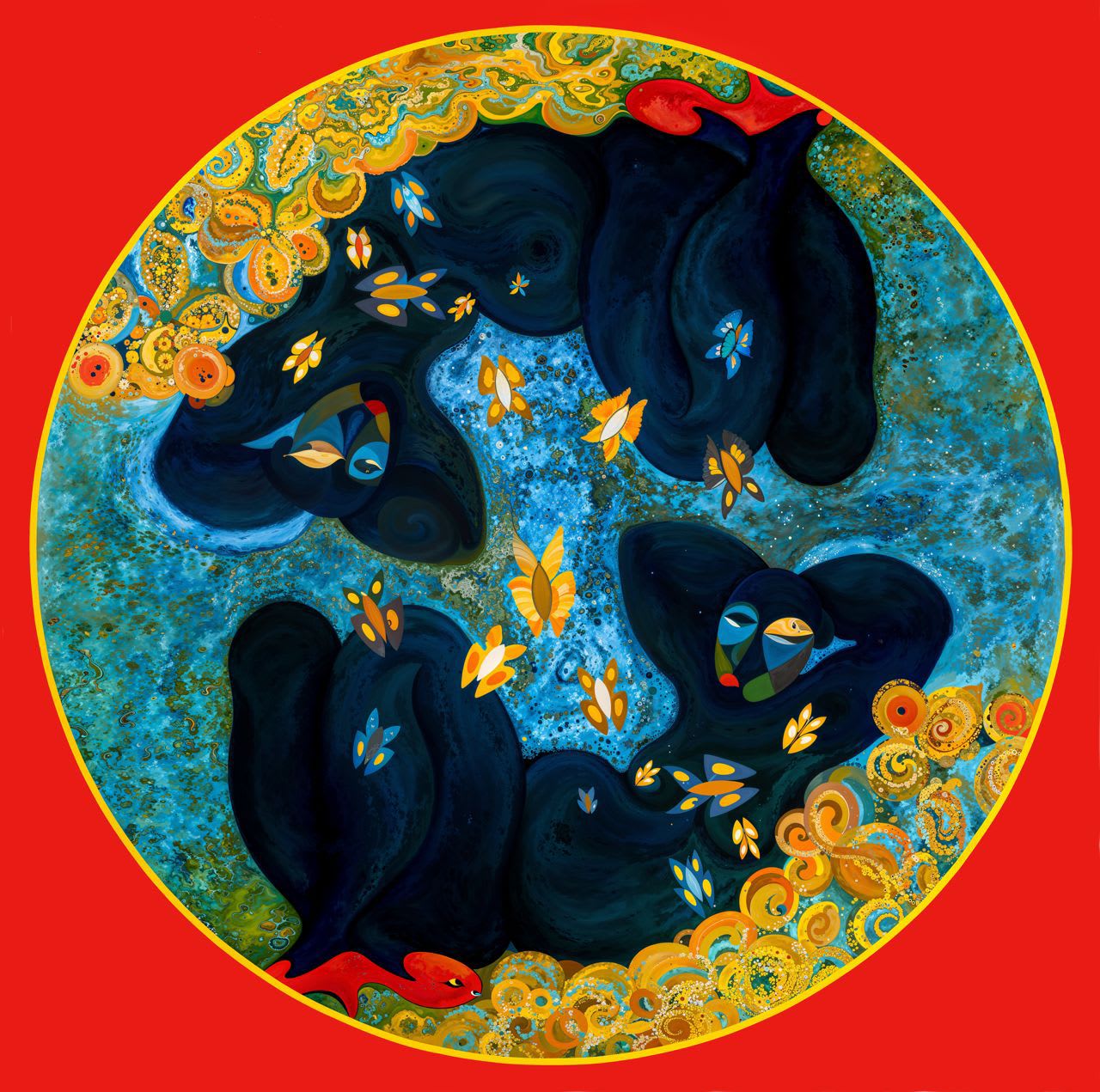
On the other side, everything loosens.
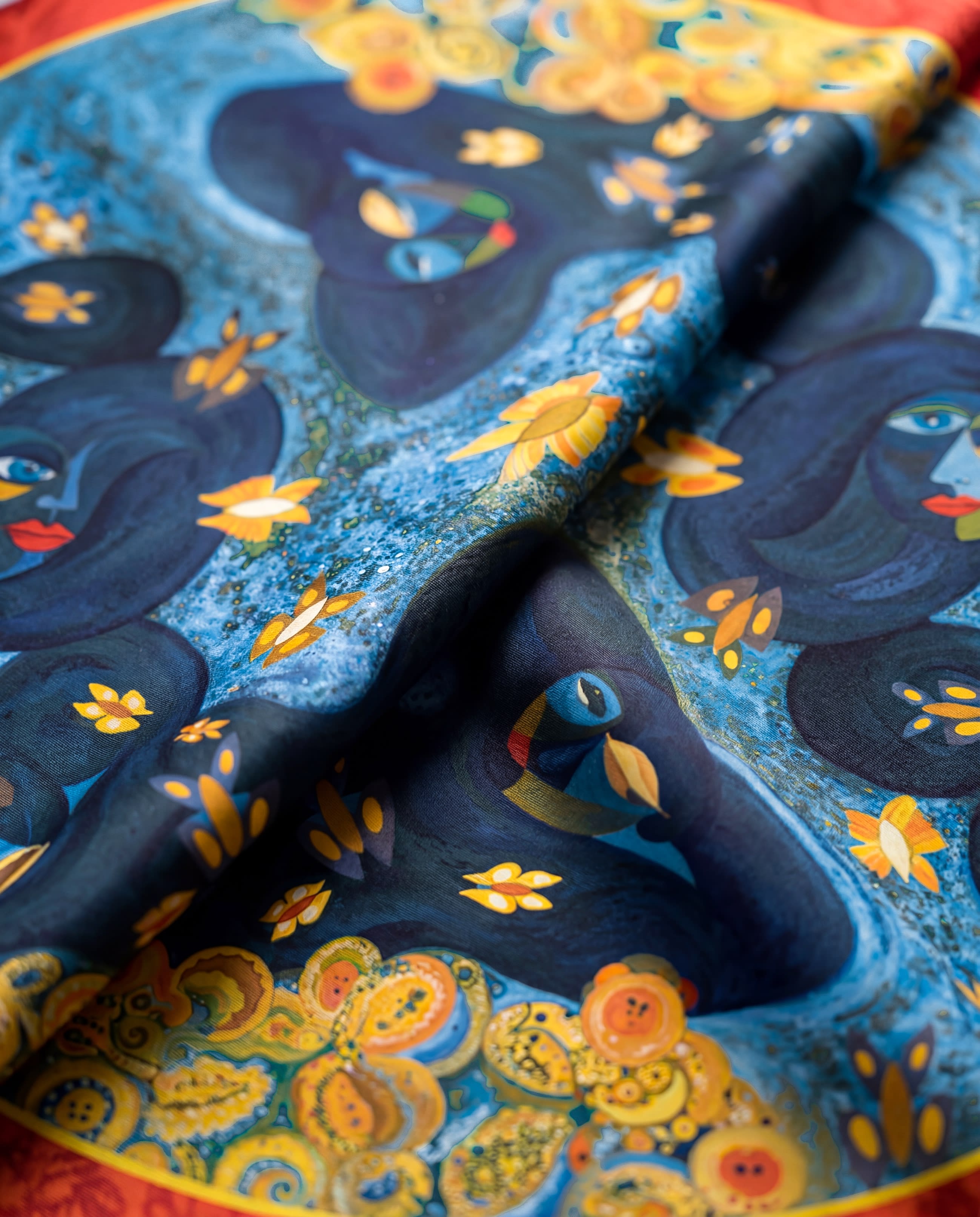
Forms drift. Symbols scatter. The image stops trying to behave. It feels less like a presentation and more like releasing the parts of us that don’t always make it into the room, or don’t need to.
Neither side is treated as more “real” than the other.
They both are.
Just in different conditions.
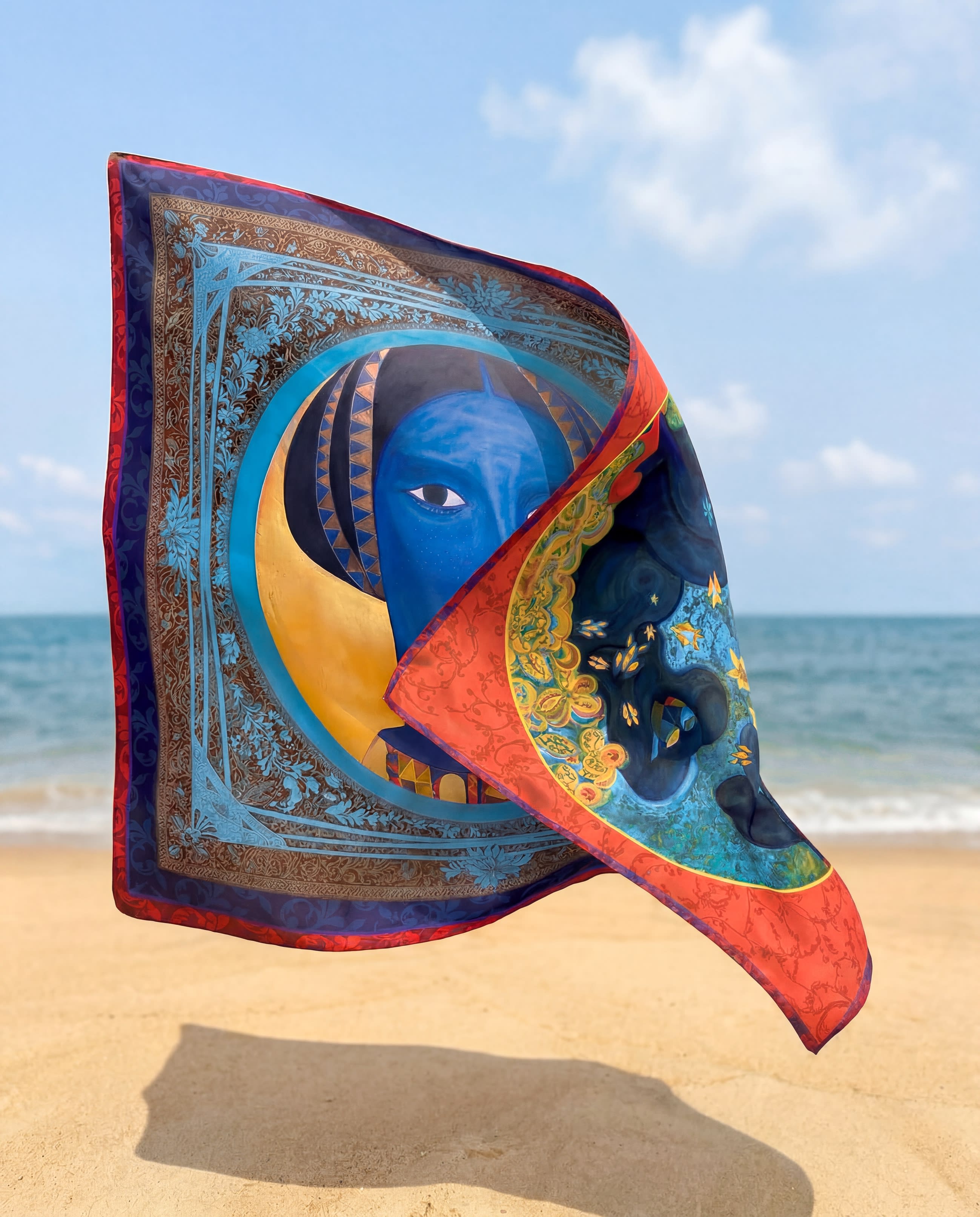
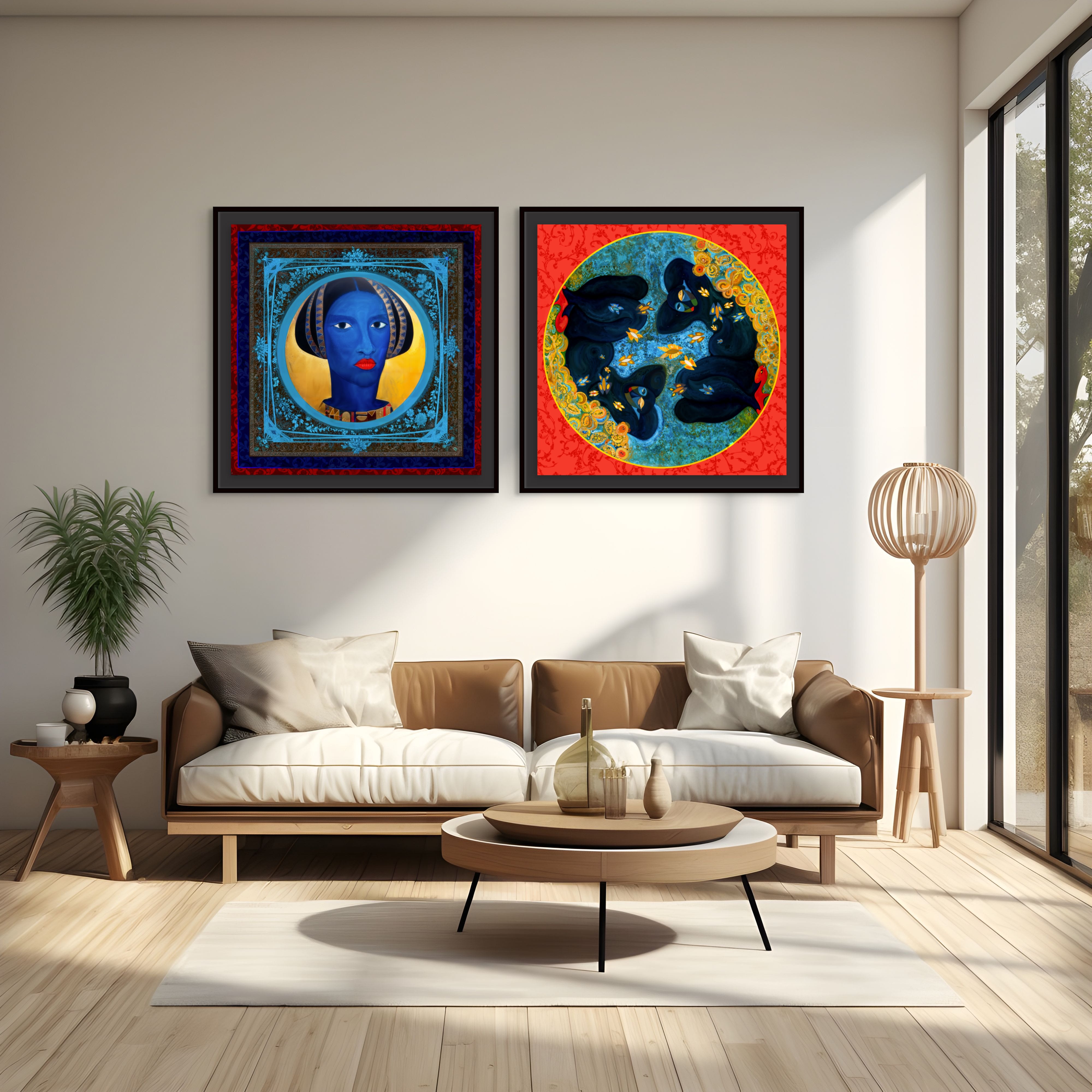
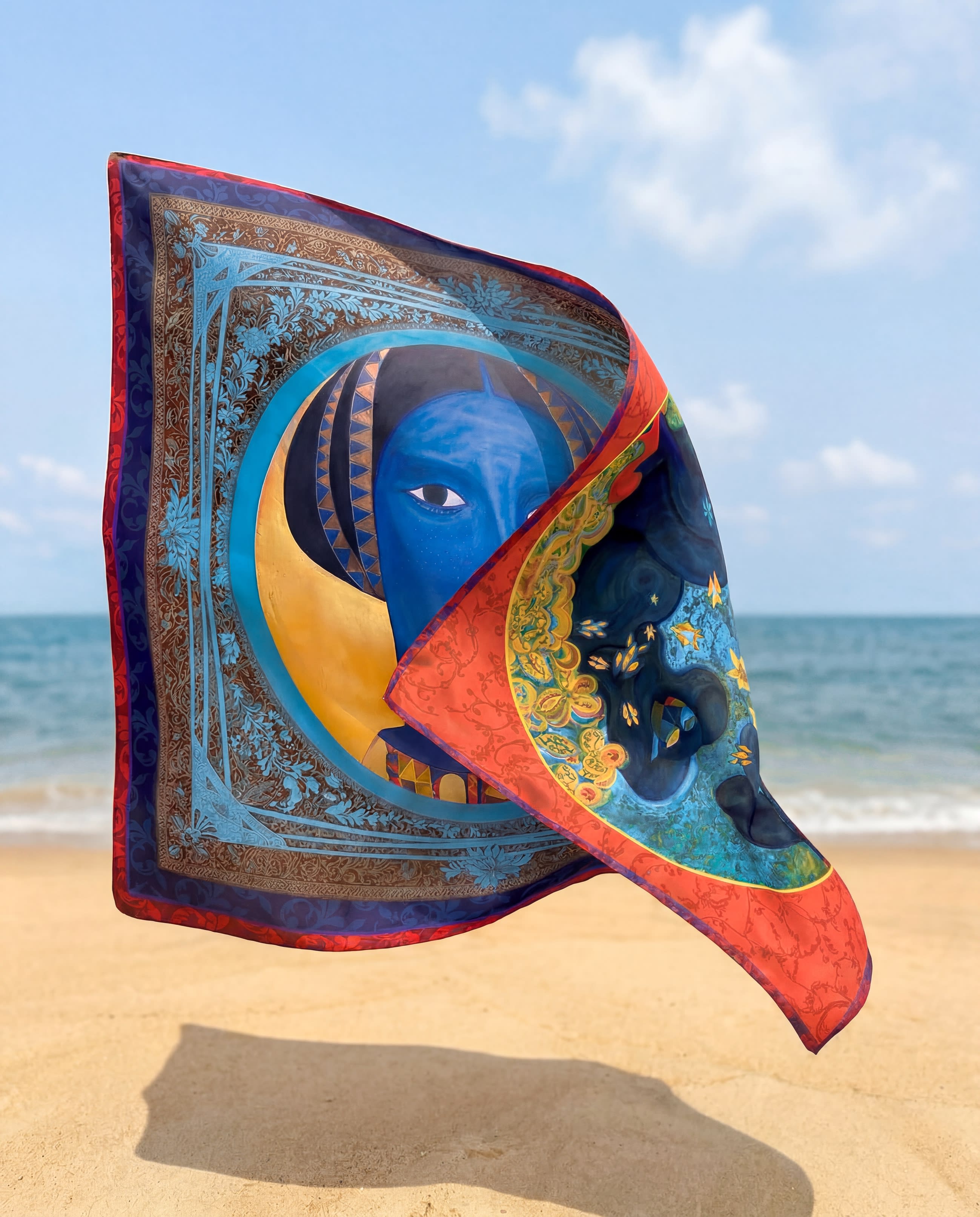
Front and reverse of BlueWoman Series III revealing two states of the same work
The Self Isn’t One Thing
Most of us already know this, even if we don’t say it plainly.
You are not the same person everywhere you go.
There’s a version of you for people. A version for work. A version for family. A version that only shows up when you’re alone and not translating yourself for anyone.
We usually treat that as something to fix as if consistency is the goal.
But Ayoola doesn’t seem interested in fixing anything.
He’s observing it.
And leaving it intact.
What You Don’t Show Still Exists
One of the quieter ideas in the work is that visibility is not the same as existence.
The idea sits in the tension between, one surface being exposed to the world; the part that is read, interpreted, and seen.
And the other which remains closer, inaccessible to everyone else, existing only for the person carrying it.
So even within the same work, there’s always this split: what is publicly legible, and what remains internal, felt but not fully revealed.
And that gap isn’t framed as secrecy.
It feels more like privacy.
There’s a difference.
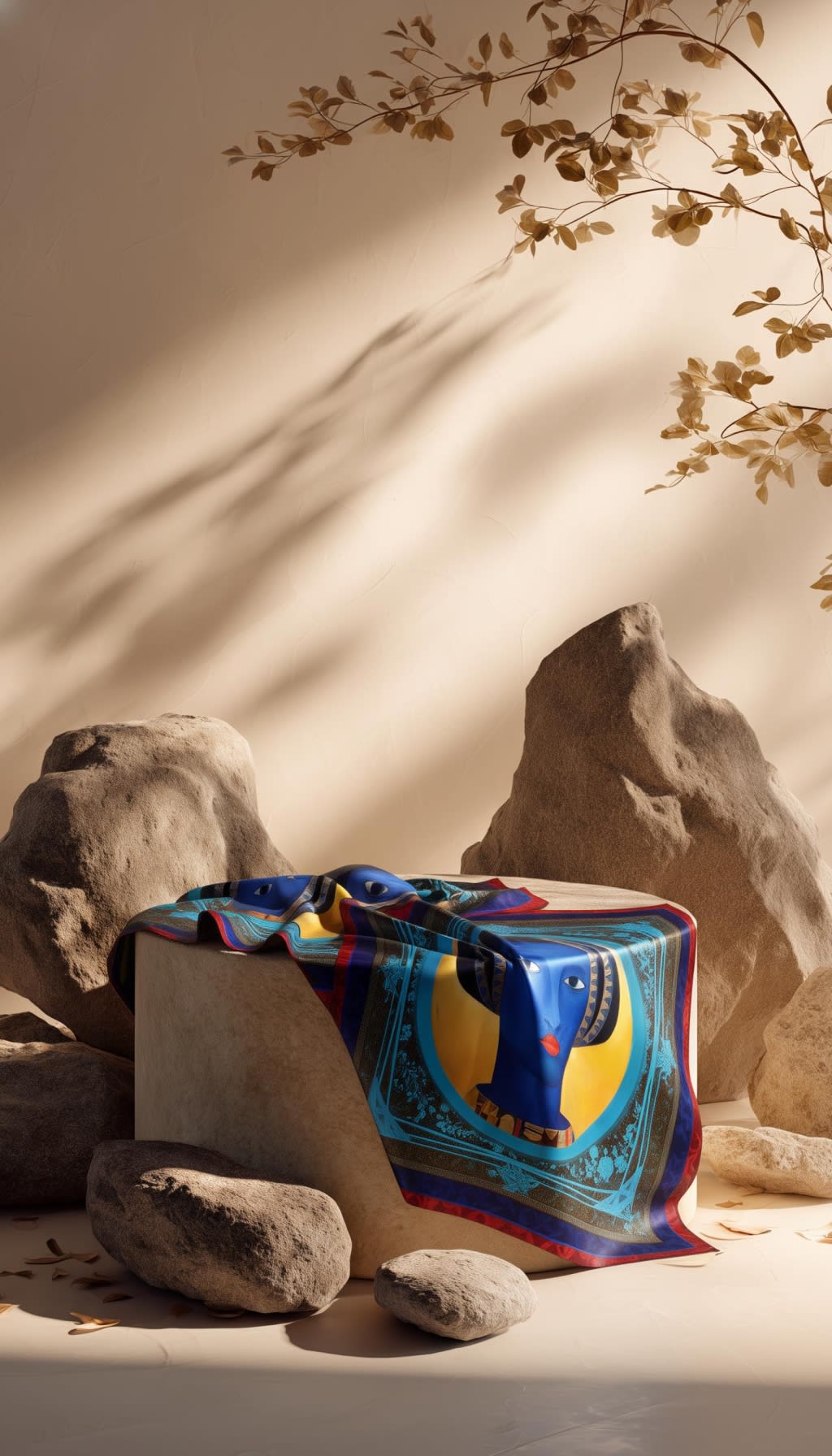
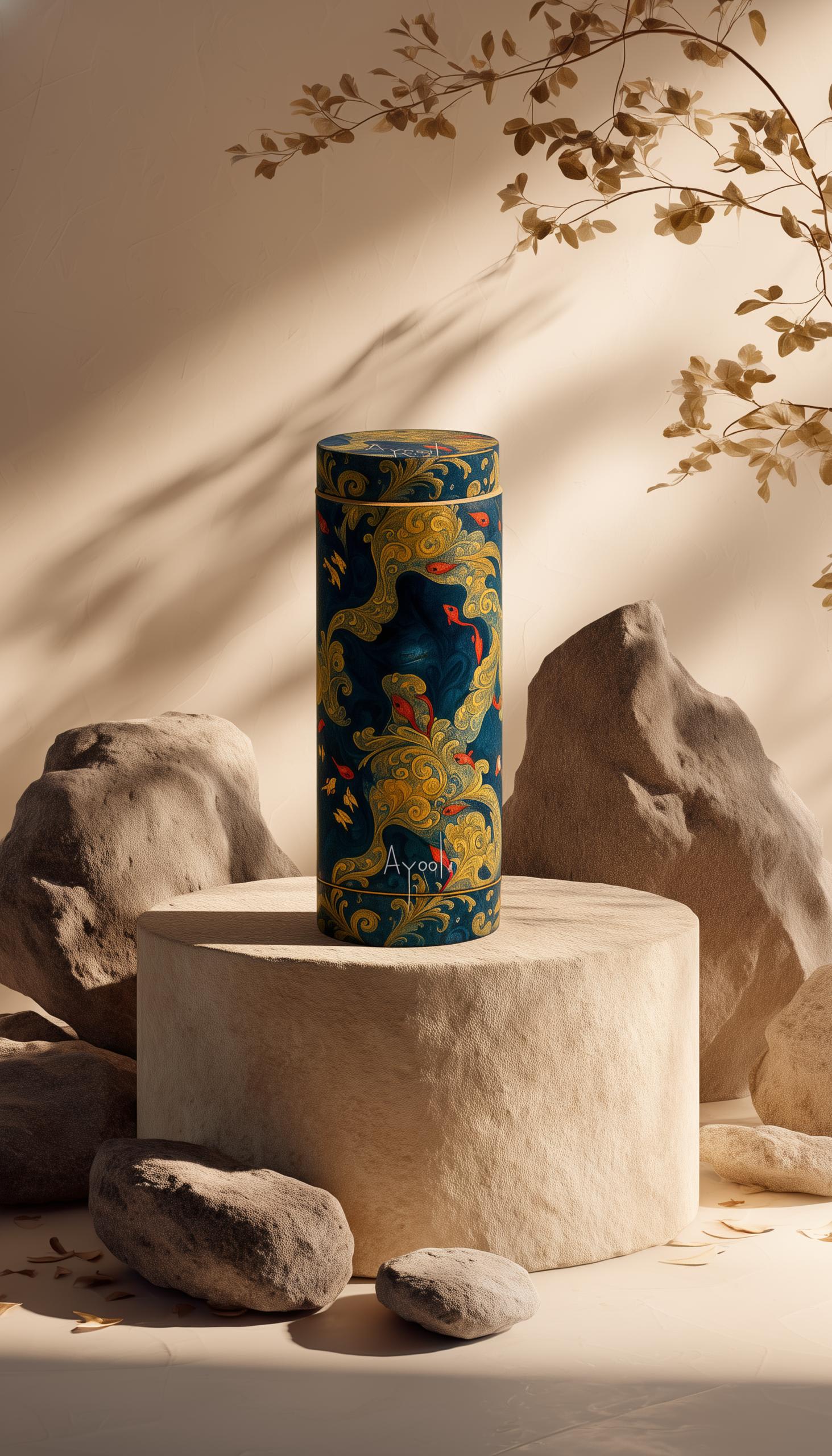
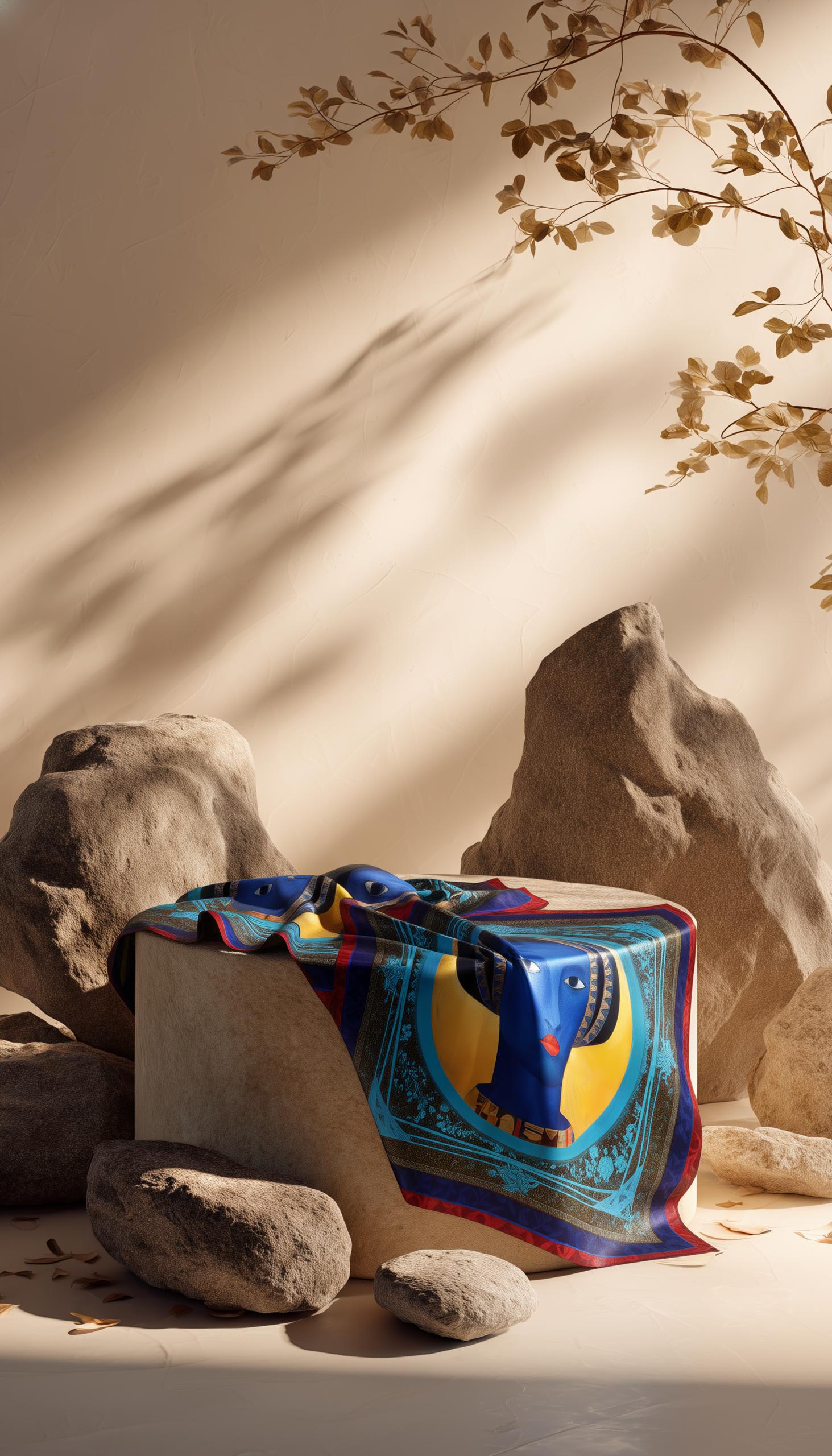
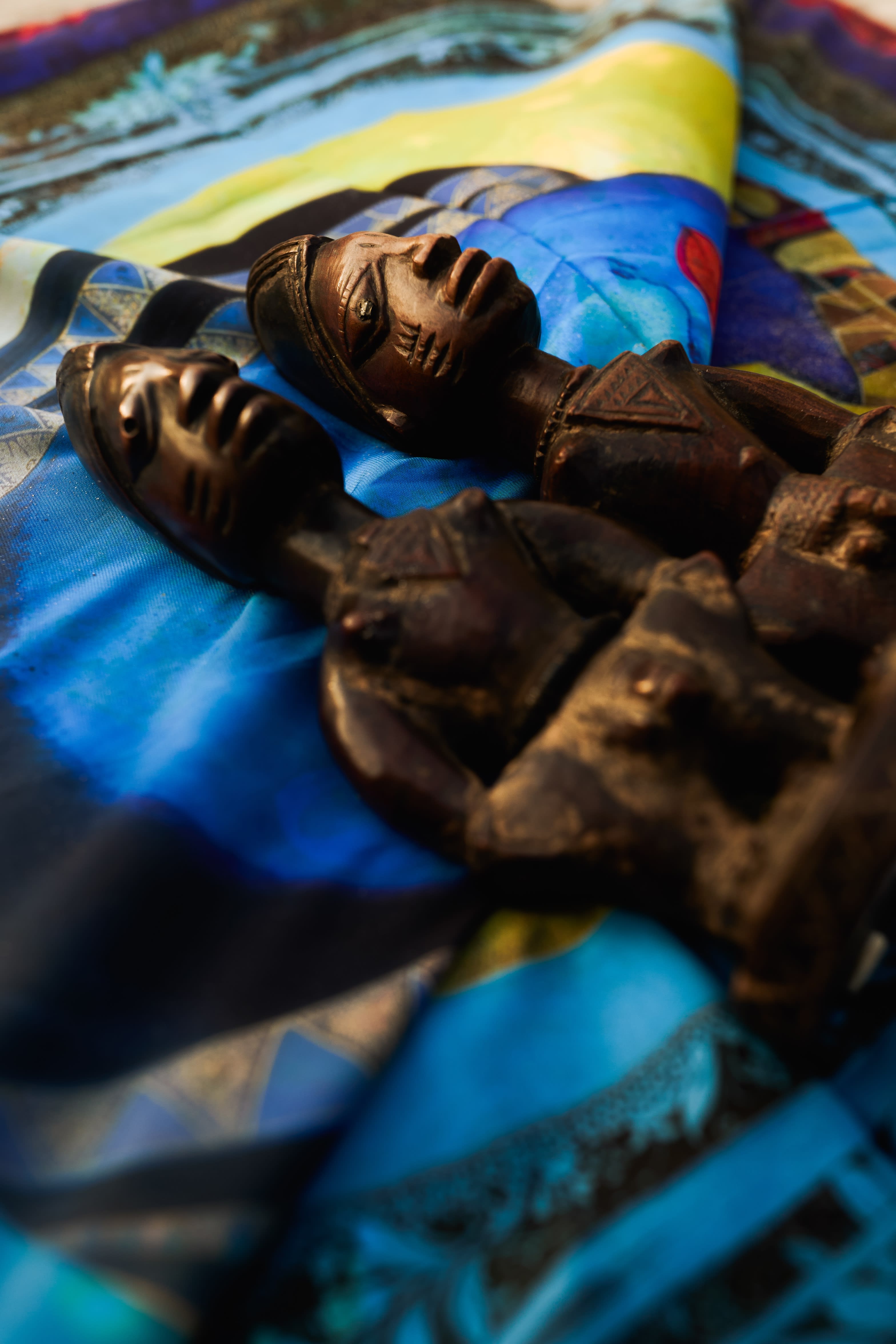
BlueWoman Series III resting in stillness, showing form and surface
About the Artist (in context)
Gbolahan Ayoola is a Lagos-based visual artist working across painting, mixed media, and wearable forms. His practice returns to identity not as something fixed, but as something shaped by culture, memory, spirituality, and everyday life.
Over more than two decades, he has built a visual language that moves between stillness and change, control and release. The BlueWoman series continues this inquiry exploring how people hold multiple selves without reducing them to a single story.
Living in the In-Between
What Between Crown and Current does best is not resolution.
It doesn’t try to explain who you are.
It simply reflects what many people already know but rarely pause to sit with: that you are multiple things at once, and not all of them need to align to be true.
That in-between space the shift between what is shown and what is kept is not treated as confusion here.
It is treated as normal life.
What It Leaves You With
I think what stayed with me most is how familiar it feels. Not in a dramatic way, but in a quiet, everyday one.
Most people already know what it is to carry more than one self to shift depending on space, to hold things privately that never become language, to exist in layers that don’t always line up neatly.
Ayoola doesn’t try to resolve that tension. He just gives it form, and leaves it open.
So maybe it’s not about what the work means. Maybe it’s about what it quietly brings up in you and what you do with that recognition after you’ve seen it.
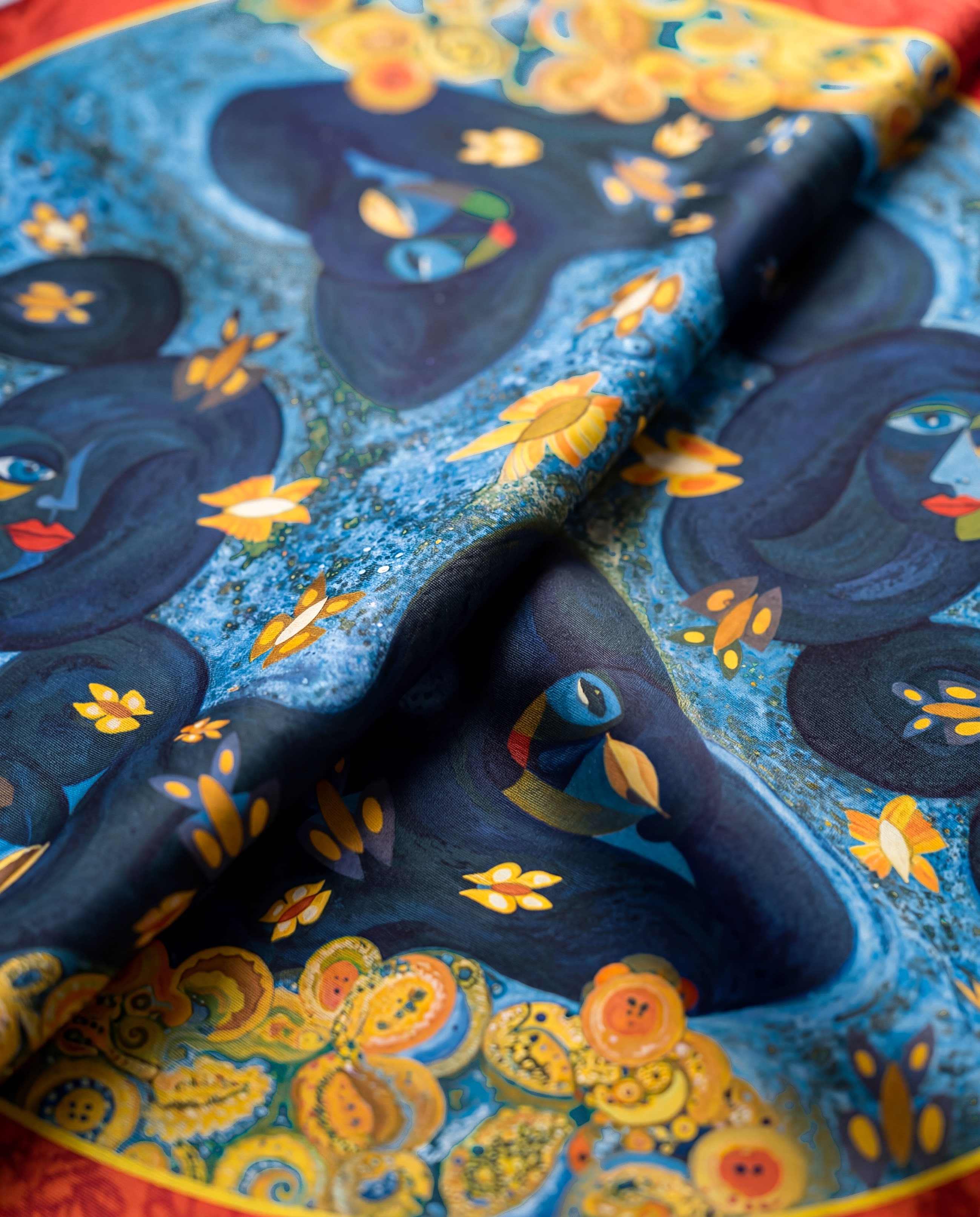
A closer look at the surface of BlueWoman Series III, where image and material meet