
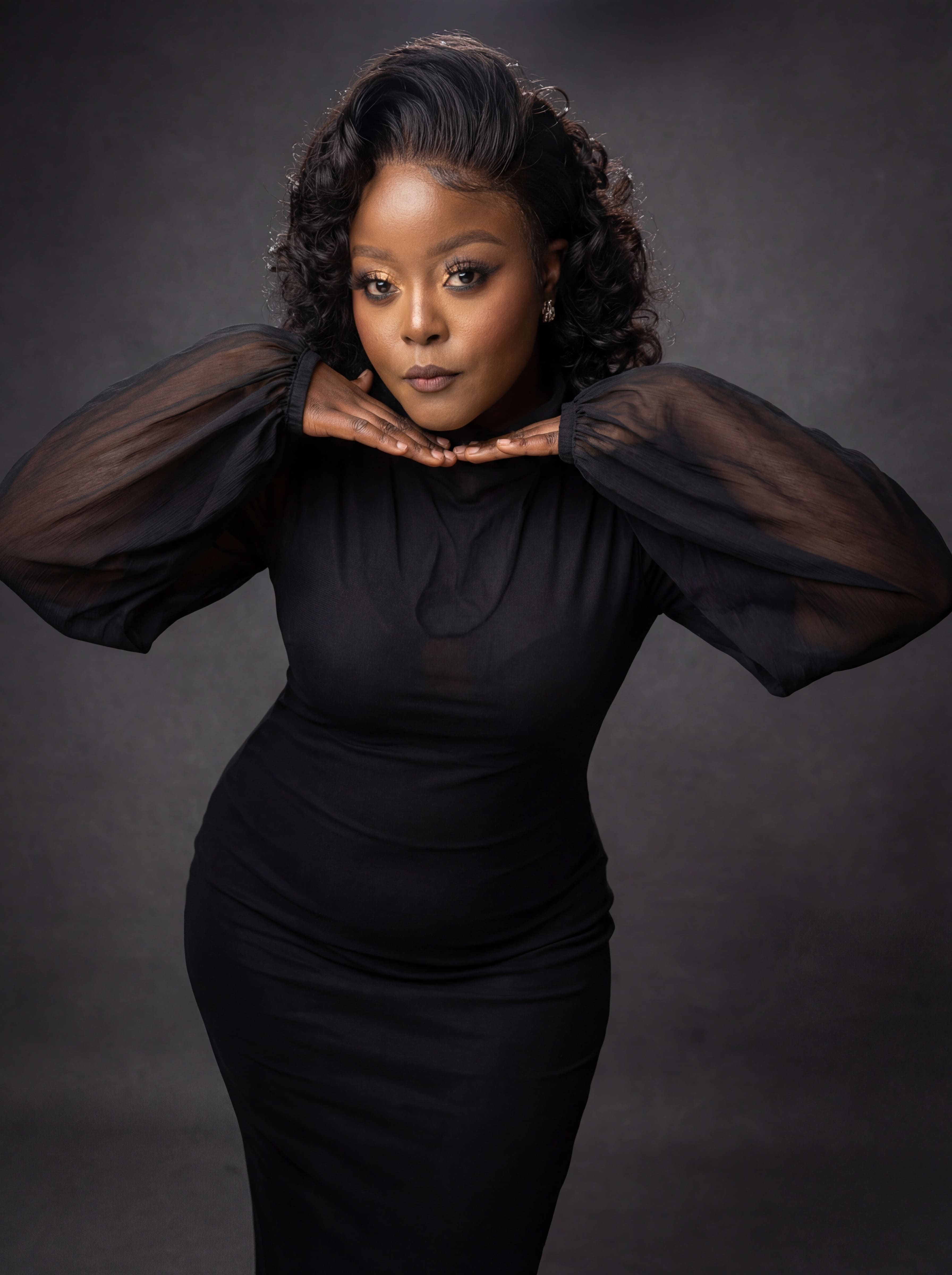
Meet Bridget Blue, the Kenyan singer-songwriter whose "imperfectly perfect" approach to music production is redefining the Nairobi sound. A self-described perfectionist, Bridget is a powerhouse in the African creative economy, moving from calculated imagination to raw, personal storytelling. In this intimate look at her process with EscapeMag, she discusses the "urgency" of Nairobi movement, the creative utility of a raspy voice, and why her current chapter is defined by the profound lessons found in silence.
Hi, how are you today? I'm great, how are you? I'm good.
EscapeMag: Before you decide a song is ready, how do you feel it?
Bridget Blue: I actually struggled with that for a long time because I'm a perfectionist; finishing songs is not easy for me. But I discovered something: before I record anything, I must know exactly how I want the song to sound and feel in my head. When I get to the end, I have to make a conscious decision to quit. I don't think I'll ever be completely satisfied, but because I had the idea from the beginning, I can have peace settling with it.
EscapeMag: When you hear Nairobi in your head, what feeling do you get first?
Bridget Blue: I think about movement. Nairobi is always moving, whether you're ready or not. There’s a certain urgency—like a fight in the air, people fighting to survive. But there’s also always something people in Nairobi are laughing about. So I think of movement, basically. It’s imperfectly perfect.
EscapeMag: Your music often feels like a conversation with life. How is your sound influenced by real life?
Bridget Blue: Real life really influences my music nowadays. Initially, I never wrote from personal experience; I used to imagine situations or put myself in other people's shoes. But recently, life started "lifing," and I started to dive deeper into my emotions. I realized I can vent and let out through my music. Every day now influences the way I write.
EscapeMag: There is a softness and great emotion in your work. How do you stay present with the expectations building around you?
Bridget Blue: When the noise becomes loud, you consider succumbing to the pressure. But there’s always a quiet, still voice in the background. I’ve learned to trust that voice and realize my story looks like nobody else's. Pressure means I'm trying to be someone else or holding the pen for a story that's already been written. The hunger to tell my own story helps me overcome that pressure and just "do me."
Bridget (In Studio): I’m trying to make a hot cup of lemon, mint, and lime tea. Many people swear by hot things before they sing. It’s never really worked for me, but I’m willing to try. I have a funny theory: when I have a cold or my voice is raspy, I feel like it’s the best time to record. I feel like I have a wider range. I intentionally will not soothe the cold sometimes so I can maintain it.
I prefer to record myself. It puts me at ease; I don't have pressure or overthink things. I color code everything in the software—there's a specific pink for the main take. I record with one ear off so I can hear myself through the mic.
(Singing): "Something about the way you hold me babe... and nobody else... so I know that you are my love..."
EscapeMag: What does movement look like to you right now?
Bridget Blue: Movement has started feeling more like walking than running. It’s no longer a race. I have learned to respect the silence and the still moments. I’m one of those people who always finishes things fast—maybe out of a fear of failing—but I’m learning to respect the quiet. I’m catching up with things I rushed through. It’s about savoring the moment.
EscapeMag: What has been teaching you most recently?
Bridget Blue: Silence. I would call it loneliness, but it's intentional. Not needing the adrenaline and the movement to be happening is teaching me so much about myself. I’m learning that even with the resting and the quiet, things are moving and working out. I don't have to supervise everything.
Bridget Blue: Thank you for spending my evening with me. This is a very accurate reflection of my everyday. I’m going to finish my tea and try not to obsess about how perfect I want everything to sound. Please, when the song is done, go listen to "Niwewe." You are part of the process!
By The Numbers: The Nairobi Creative Scene
As Bridget Blue navigates her career, she is part of a rapidly growing creative industry in Kenya. According to data from the Kenya National Bureau of Statistics (KNBS) and industry reports:
Employment: The creative economy in Kenya employs over 1.2 million people.
GDP Contribution: The arts, entertainment, and recreation sector contributes approximately 5.3% to Kenya's GDP.
Digital Growth: In the broader African creative economy, digital music streaming revenues are projected to reach $500 million by 2025.
Regional Diversity: While Nairobi is the primary hub, accounting for over 60% of organized creative enterprises, there is a 15% annual growth rate in creative startups in secondary cities like Mombasa and Kisumu.
FULL FEATURE IN ESCAPEMAG 14