
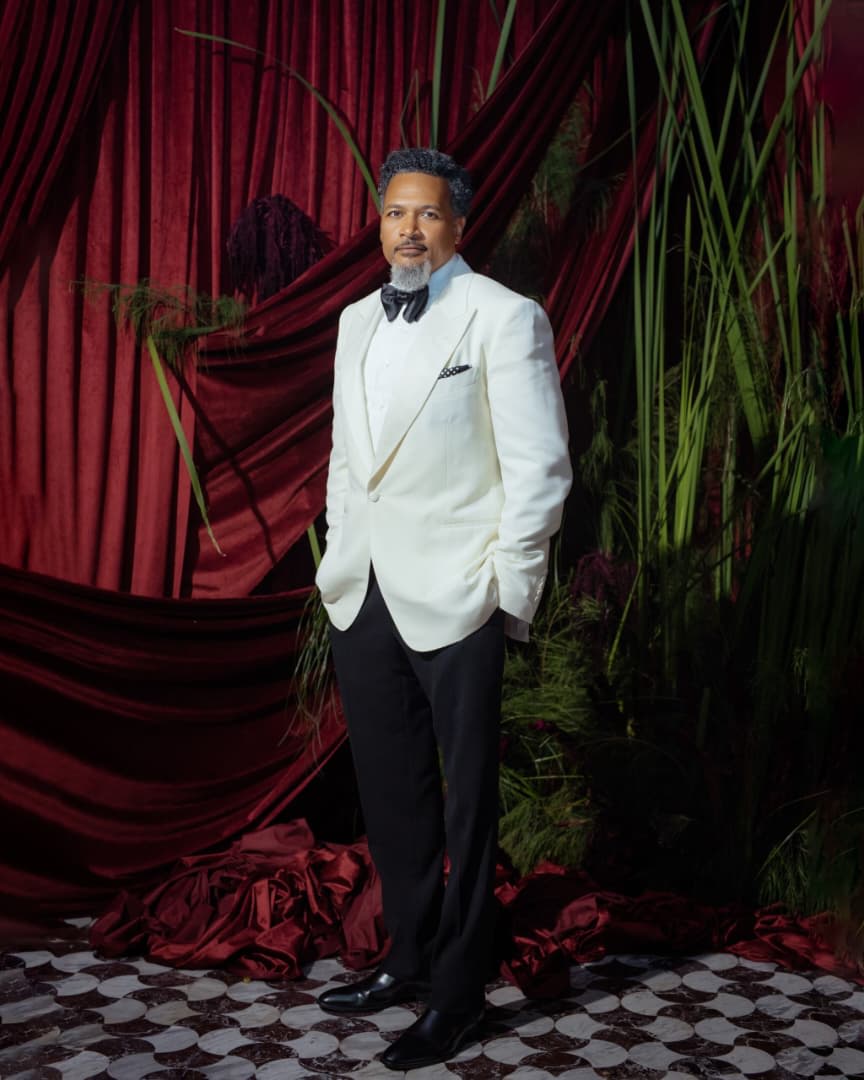
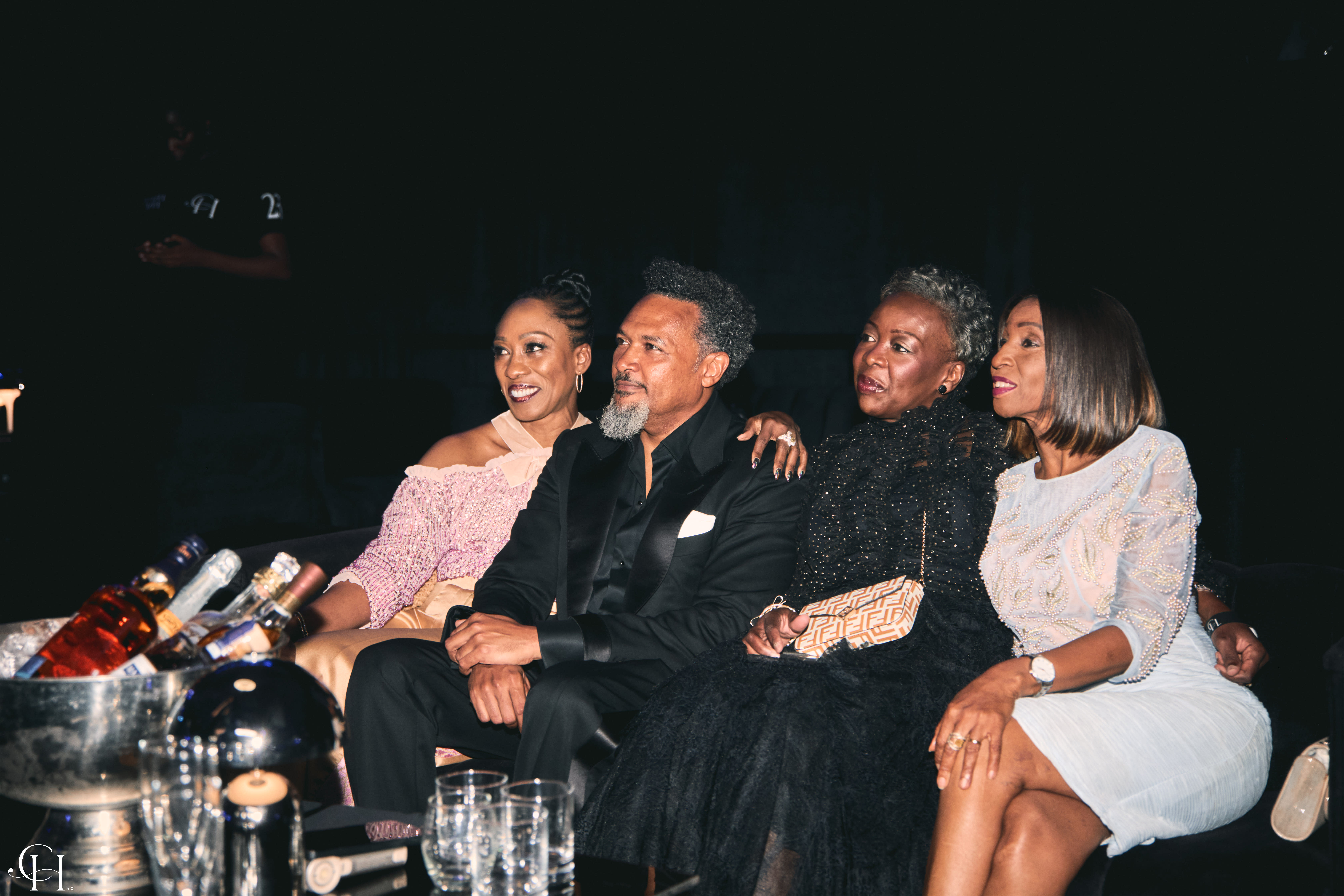
Cecil Hammond at 50 marking a milestone moment that went beyond celebration.
At 50,Cecil Hammond could have just thrown a big party and called it a day.
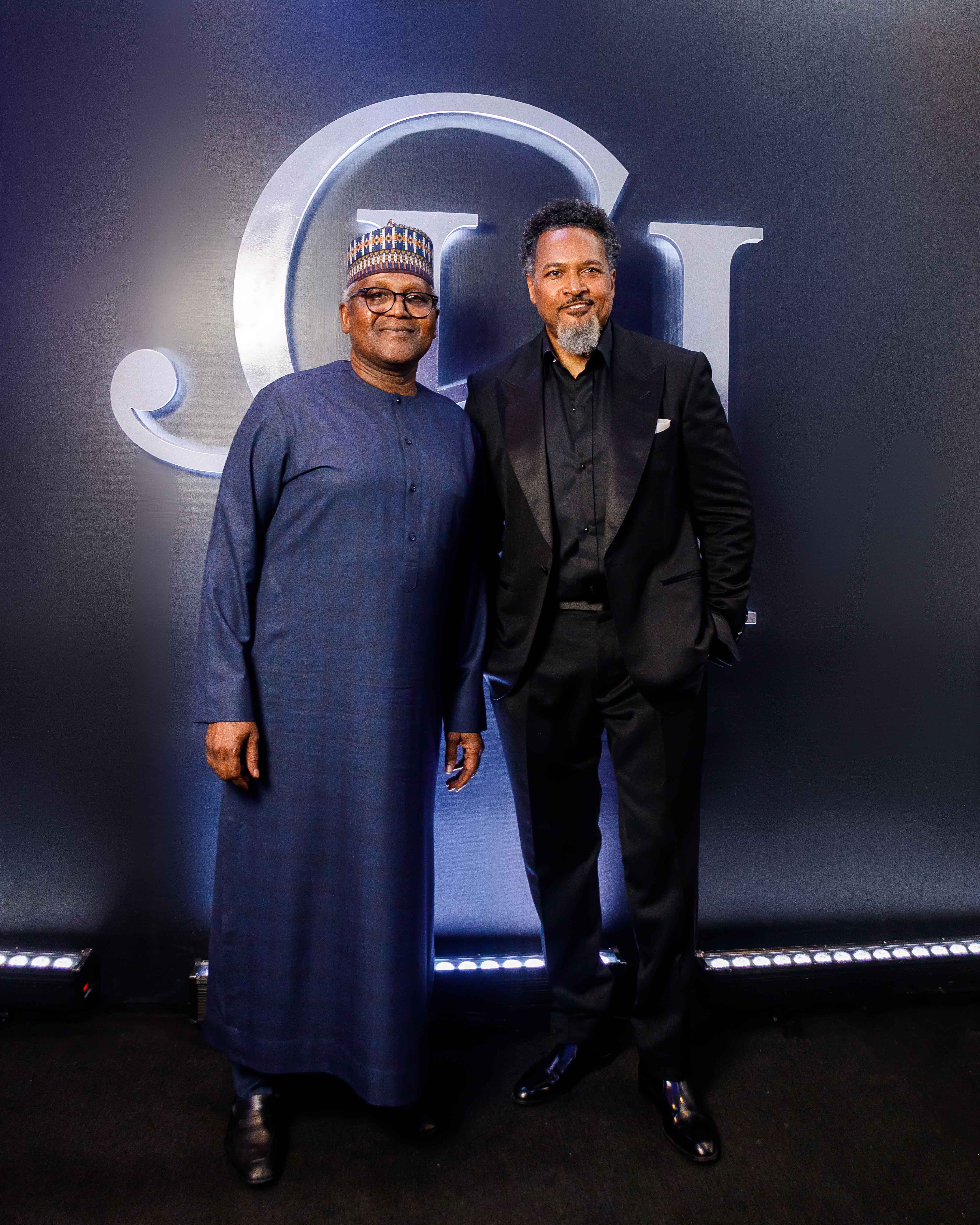
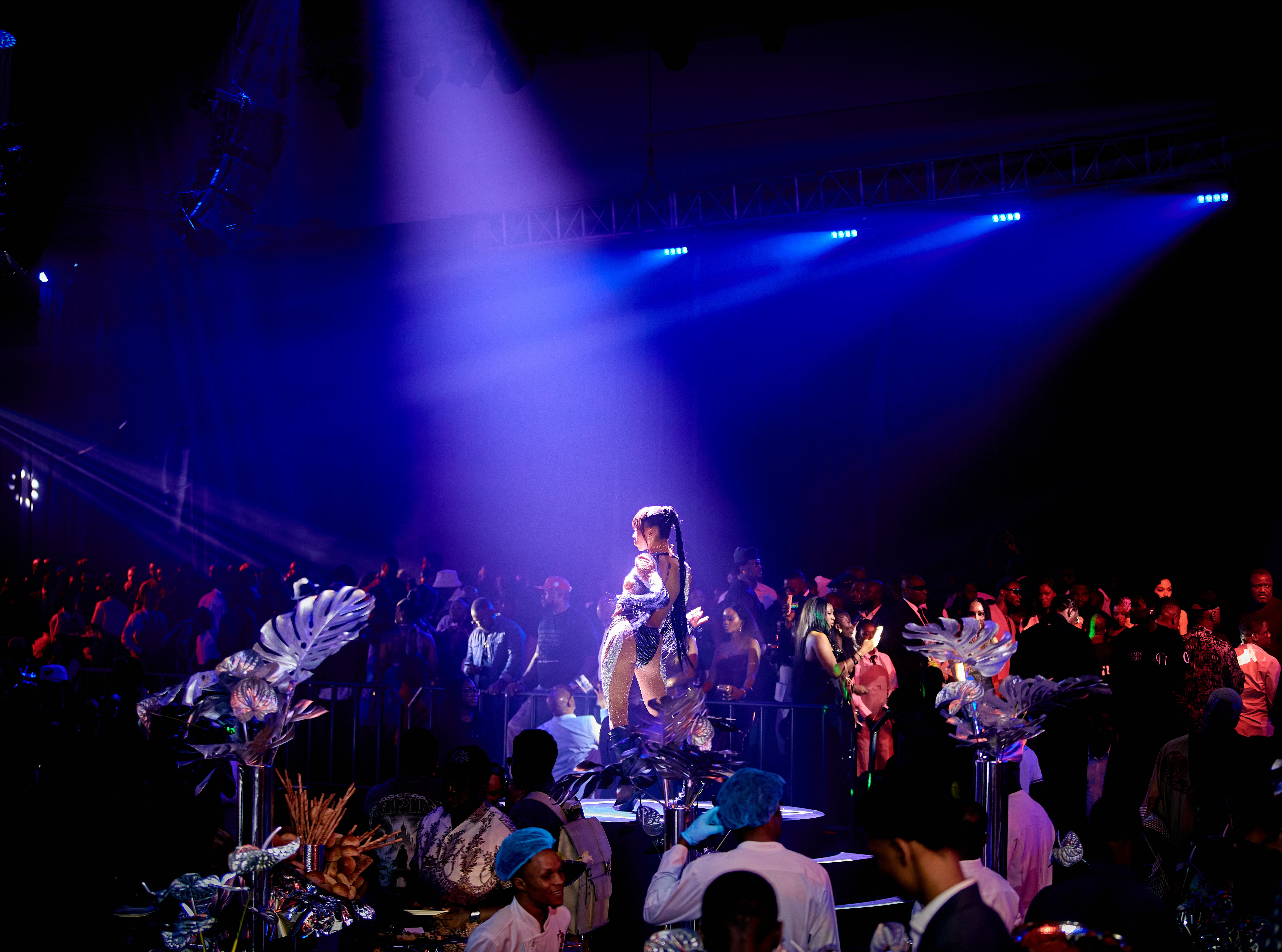
And to be fair, it was a big party. Held at Eko Hotel and Suites, the room was packed, with over 2,000 people, from business to entertainment to media. The kind of crowd that tells you exactly how far his influence stretches. You had Aliko Dangote, Femi Otedola, Mo Abudu, Don Jazzy, and Tiwa Savage all in the same space.
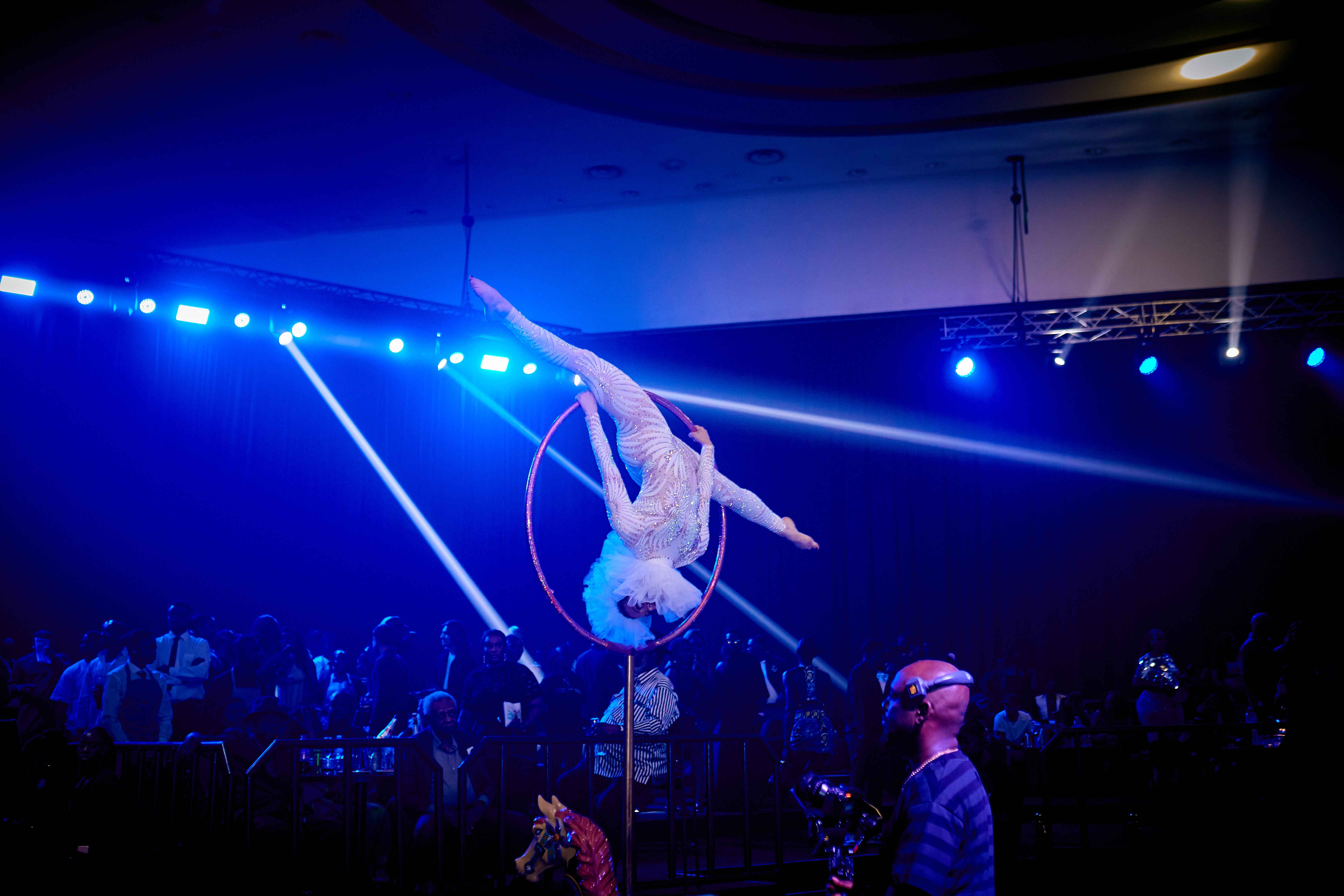
There were performances, production, the whole experience. Nothing about it was small.
But the more you sit with it, the more it feels like the party wasn’t really the point.
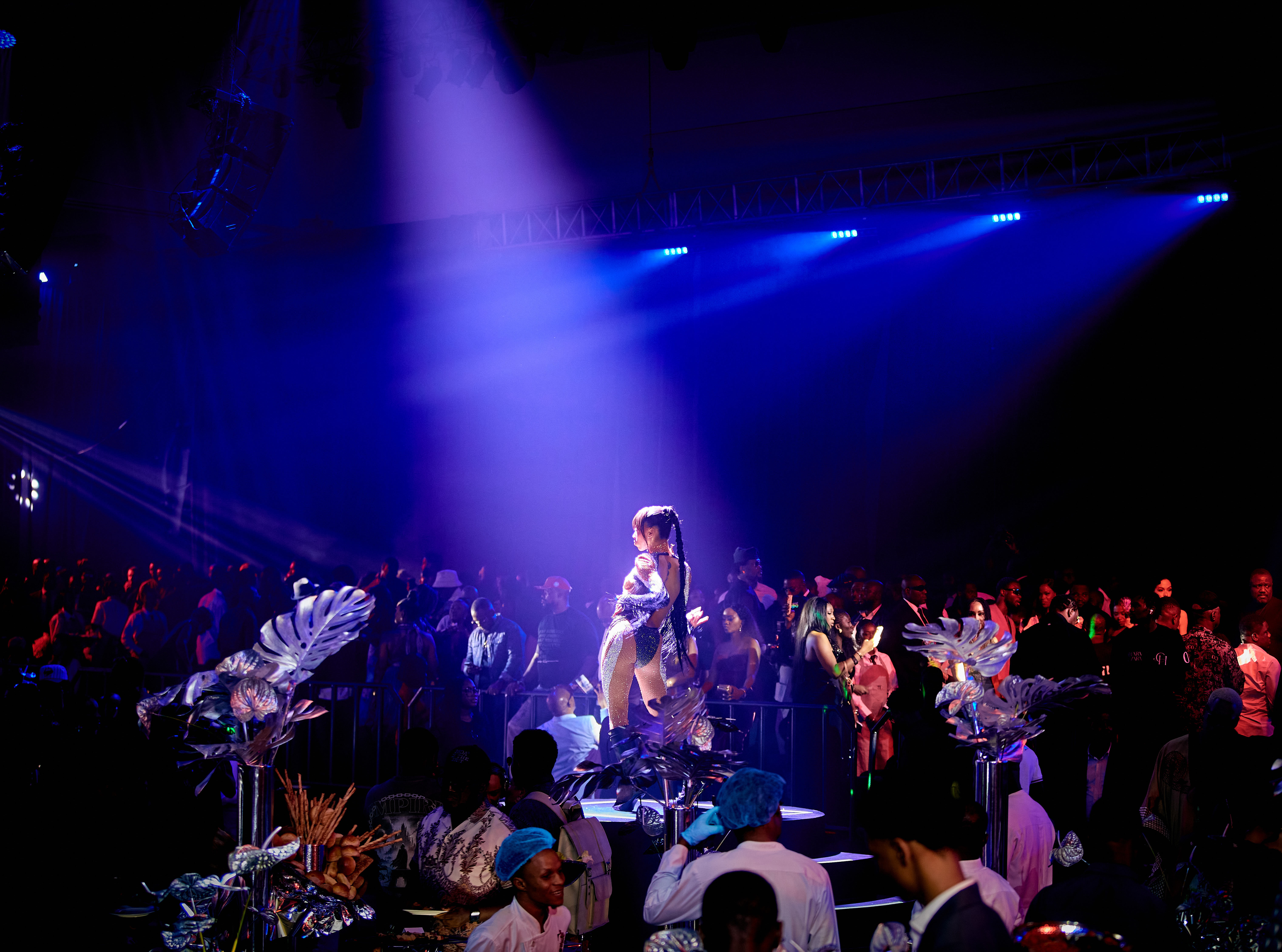
A room that reflected scale but also raised a bigger question about who gets to be in it.
The Night Looked Like Success. The Message Didn’t
On the surface, everything about the night said: this worked.
For years, Hammond has been part of building the live entertainment scene in Nigeria. Through Flytime, he’s created stages that actually matter the kind artists pass through on their way up.
People like Wizkid, Burna Boy, Davido, Tems, Rema they’ve all had moments on those stages.
So from the outside, it looks like a complete story. Talent shows up, platform exists, things work out.
But what he said that night didn’t follow that script.
It shifted the focus completely.
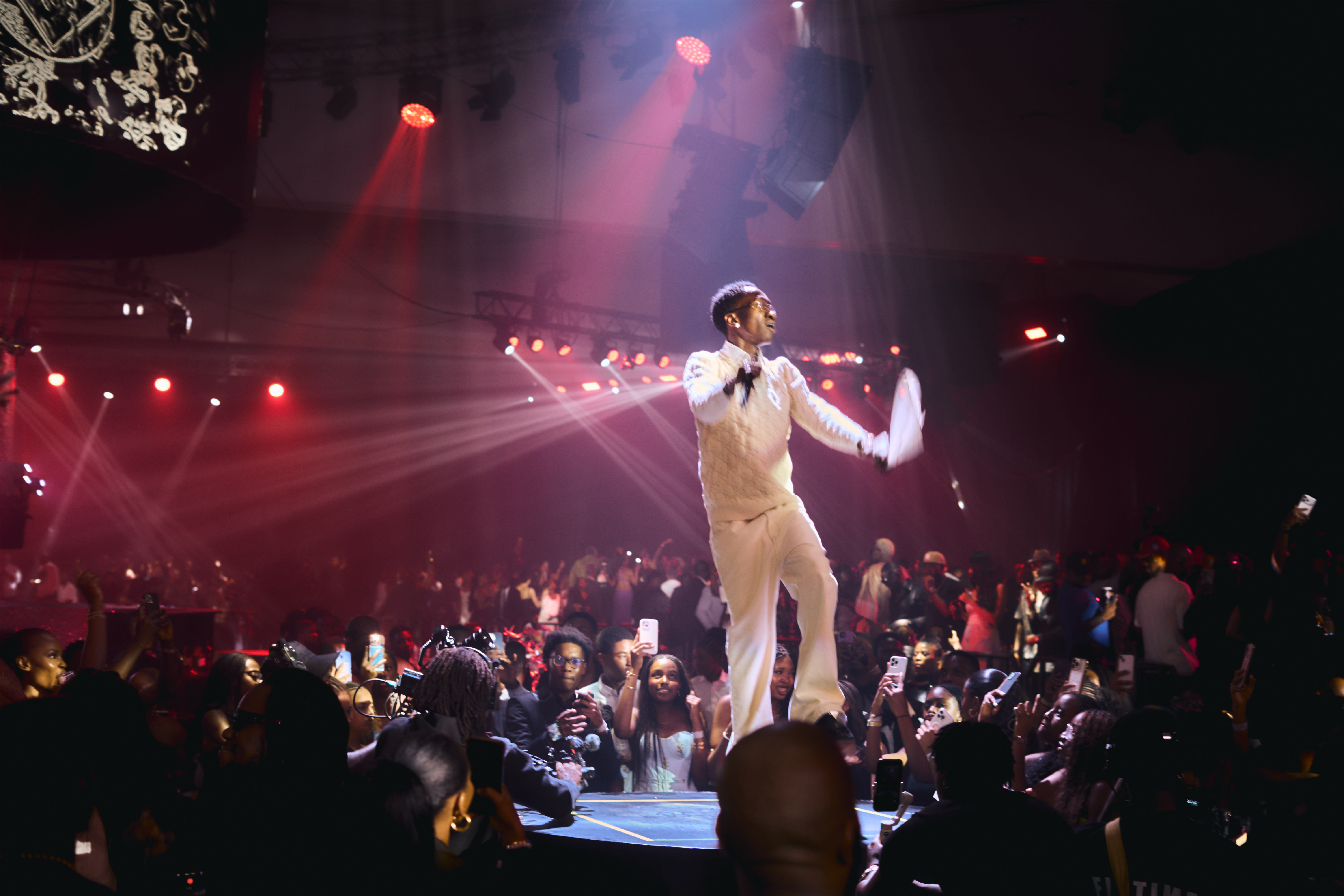
For years, the stage has been the destination. The real question is who gets close to it.
The Real Shift Isn’t the Money
Yes, there’s a ₦5 billion fund. That’s the headline. That’s what people will quote.
But that’s not the part that stays with you.
What stays is this idea that for every artist we see, there are many more who didn’t get the chance. Not because they weren’t good enough, but because they never had access.
And once you hear it like that, you can’t really unsee it.
Because it’s true.
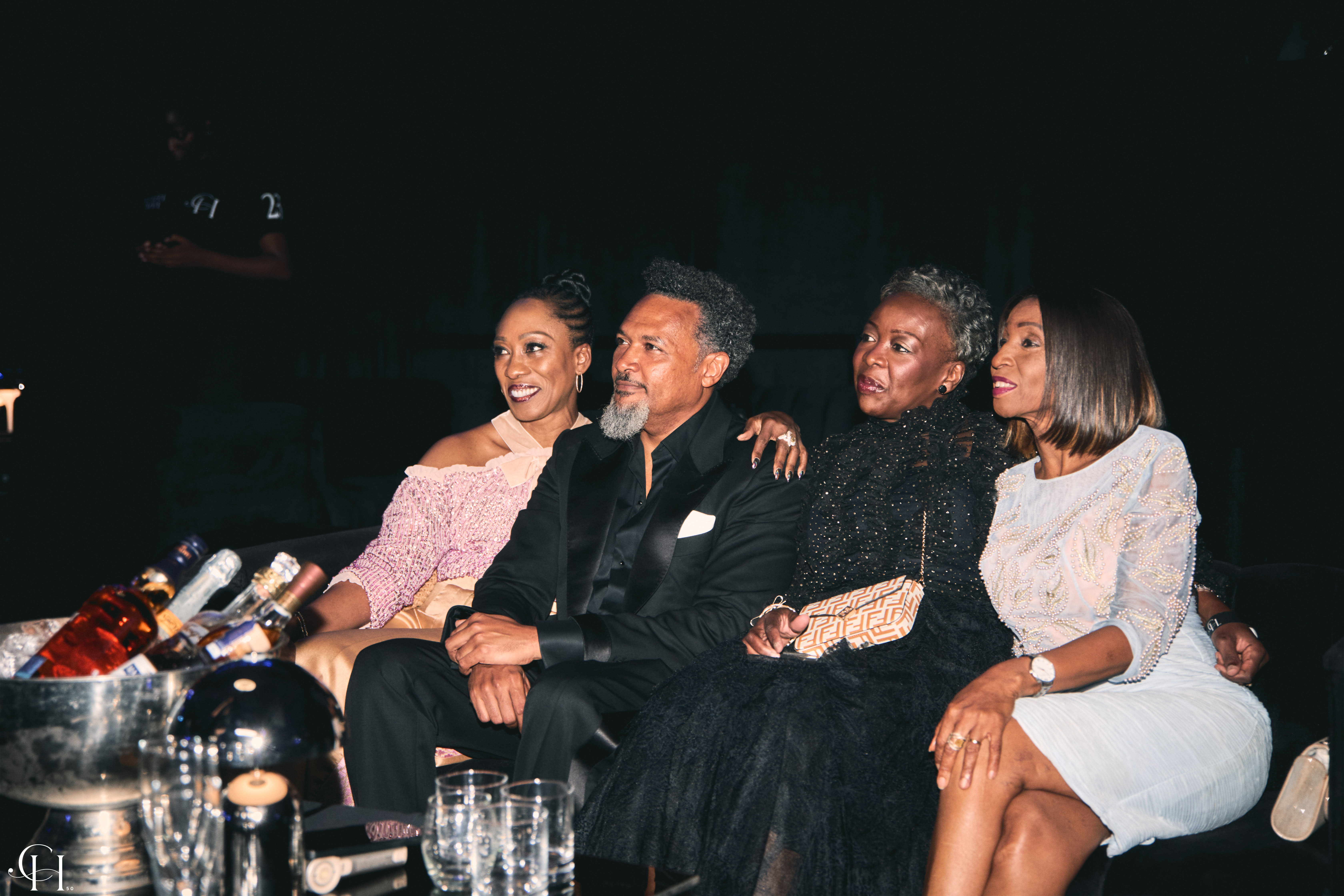
Even within the spectacle, the focus shifts attention moves from the stage to what happens beyond it
The Industry Looks Global. The Access Doesn’t
Nigeria’s creative scene is in a strange place right now.
On one hand, everything is moving. The music is global. The artists are everywhere. The culture is travelling.
On the other hand, if you zoom in, the structure isn’t as solid as it looks.
There’s no clear way in.
A lot of people are still figuring things out on their own with no real guidance, limited access to equipment, and very few structured opportunities. For many, it still comes down to who you know or whether you happen to be seen at the right time.
So yes, the output looks global.
But the process behind it? Not quite.

In rooms like this, proximity often matters just as much as talent.
From Platforms to Pathways
For a long time, the work has been about building platforms.
And that matters. Platforms create visibility. They validate talent. They move culture forward.
But they don’t fix access.
They don’t necessarily make it easier for more people to get in.
And that’s where this shift feels different.
Because what the Flytime Foundation is trying to do, is create actual entry points. Not just stages for the few who make it, but pathways for more people to even try.
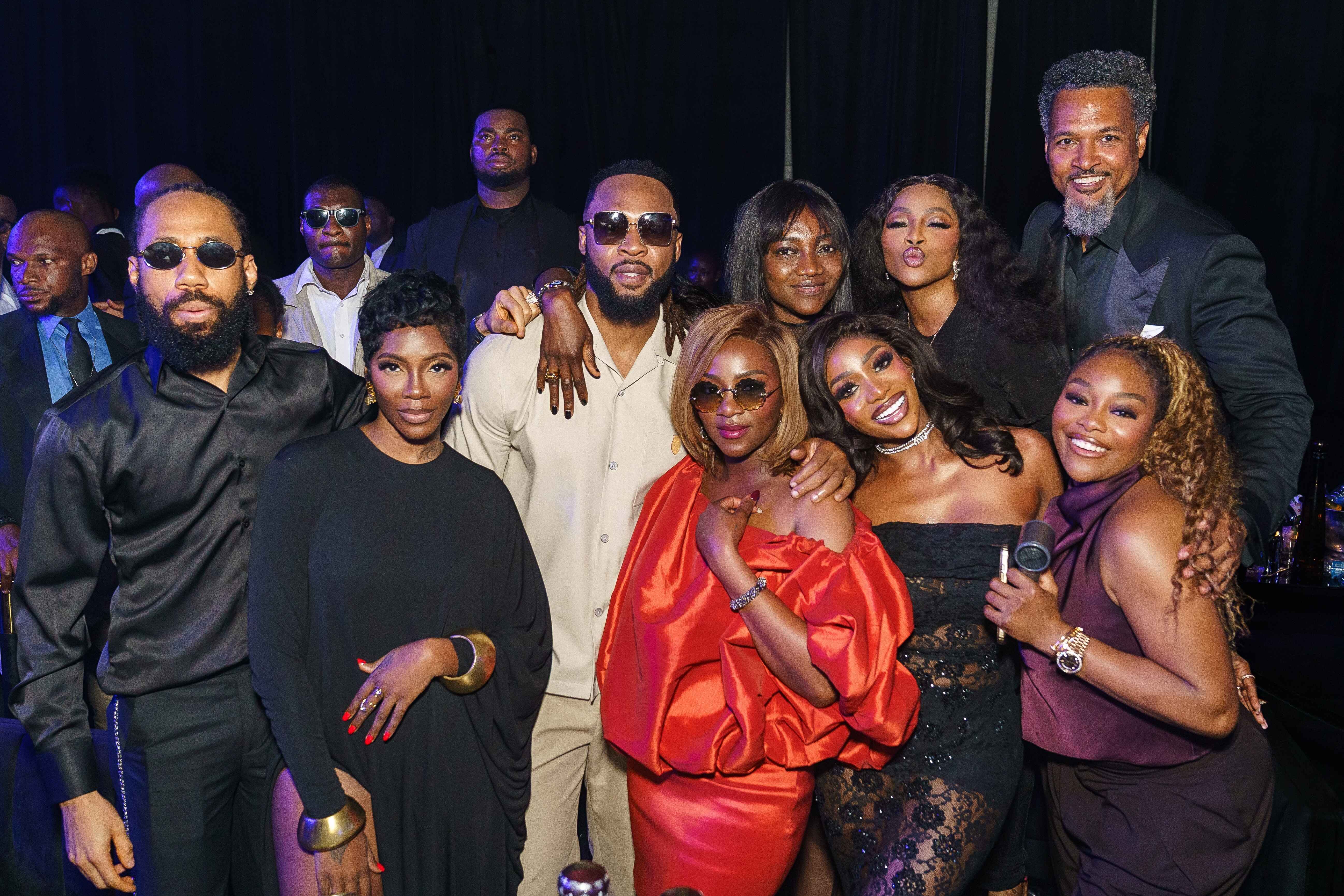
Moments like this reflect the industry as it is connected, visible, but not always accessible.
This Isn’t About Talent. It Never Really Was
Nigeria is not short on talent. That has never been the problem.
If anything, there’s too much of it and not enough structure to support it.
A lot of the people who eventually make it had to figure things out on their own. No system, no clear path, just persistence, luck, and timing.
So when you talk about “supporting creatives,” it’s easy to think of education, programs, and formal systems.
It feels more like: how do you give people access to the things that actually move them forward?
Not just knowledge but proximity, tools, and opportunity.
A Different Kind of Legacy
If this was ten years ago, the next step might have just been bigger shows. Bigger productions. More expansion.
But this feels like a shift in direction.
Less about creating moments people attend,
More about creating systems people can enter
And that’s a harder thing to build.
Because it’s less visible. It doesn’t trend the same way. But it lasts longer.
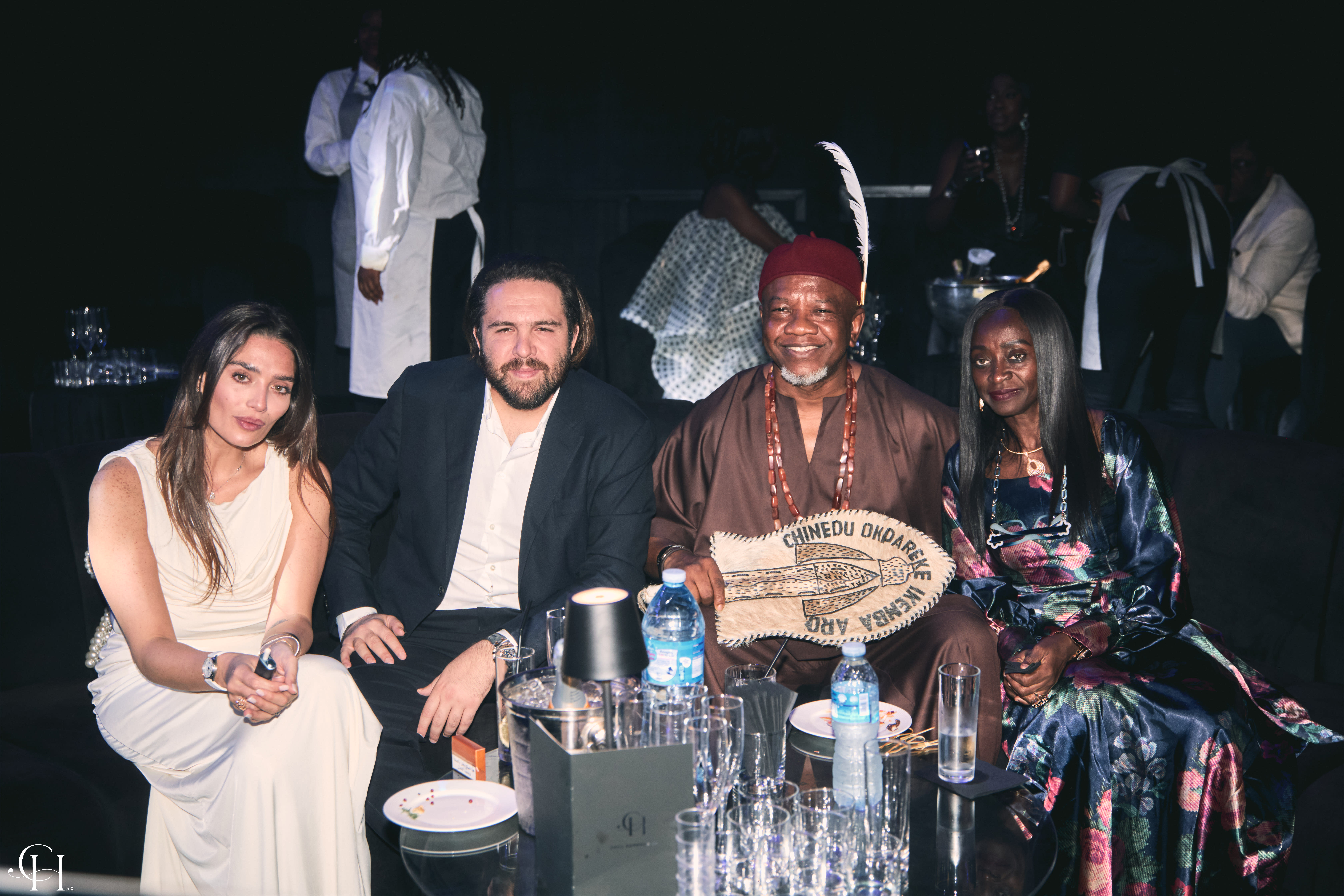
Beyond the spectacle, the focus shifts to what the industry becomes from here.
The Real Test Is What Happens After This
It’s easy to announce something like this.
The real question is what it becomes.
Does it actually open doors?
Does it reach people outside the usual circles?
Does it make the industry feel less closed off?
Because if it does, then the impact won’t just be in the next big artist.
It’ll be in how many more people get a real shot.
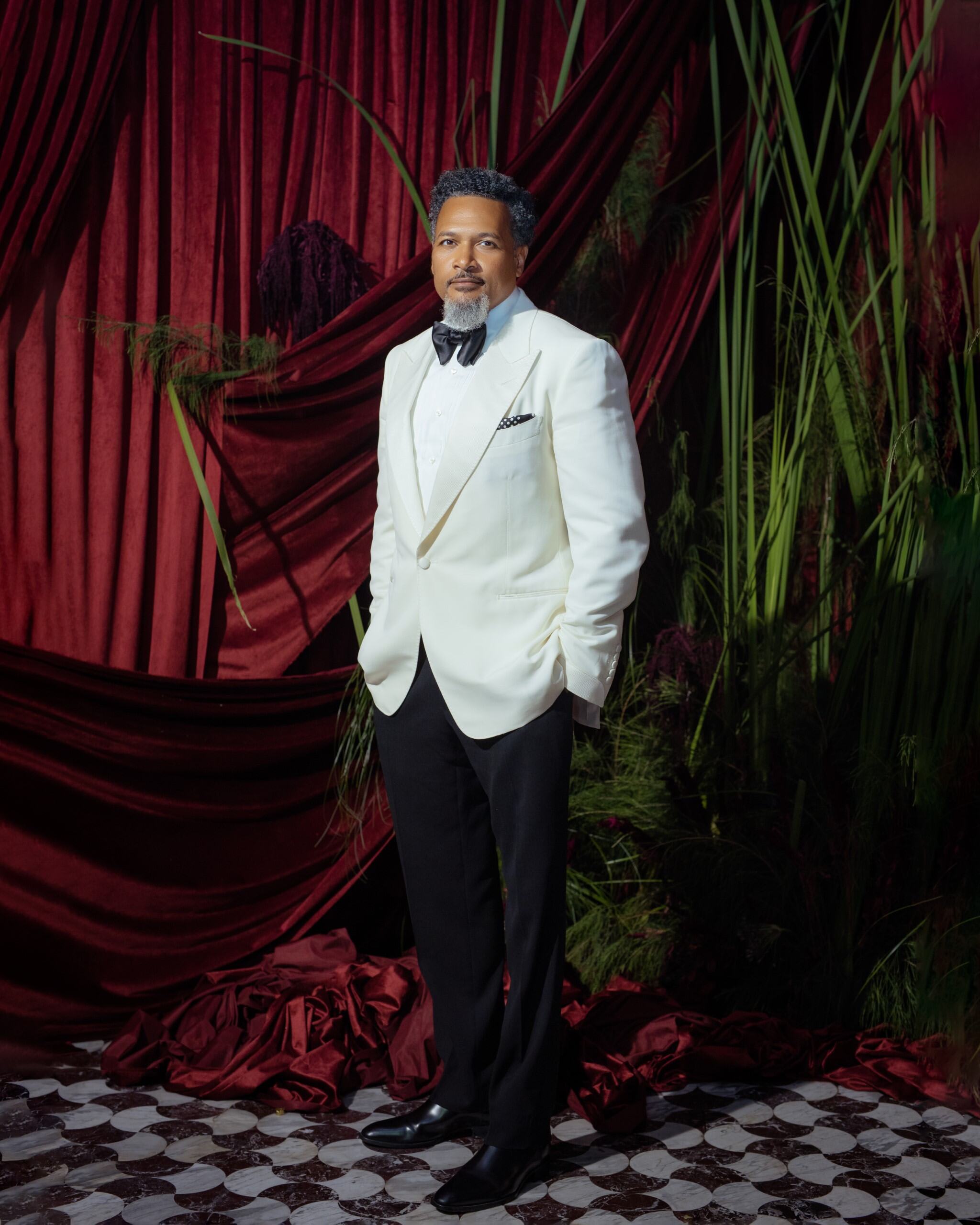
At 50, the focus is no longer just the spotlight but who gets the chance to step into it.
Final Thought
Cecil Hammond has spent years building stages that people now dream of getting on.
At 50, he is focused on something else entirely:
What about the people who never even got close?
And maybe, for the first time, the focus isn’t on the spotlight, but on how more people get into it in the first place.