

Because if we’re being real, it’s hard to imagine a time before skit makers, influencers, GRWM videos and “POV” content took over our timelines.
The interesting thing is that content creation didn’t start with social media.
Way before Instagram and TikTok entered the group chat, Nigerians were creating content through books, newspapers, radio and television. People have always loved telling stories, sharing opinions and documenting experiences. The only thing that changed was the medium.
The digital version of content creation started showing up in the 1990s, when Nigerians began interacting with content through early websites, email groups, and internet cafés long before social media existed.
But things really took off after YouTube arrived in 2006. Then Facebook and Instagram joined the party between 2010 and 2015, and TikTok came in 2016 and completely changed the game.
For the first time, Nigerians could share their thoughts, stories and experiences with people far beyond their neighbourhoods.
But here’s the interesting part: smartphones weren’t even common then.
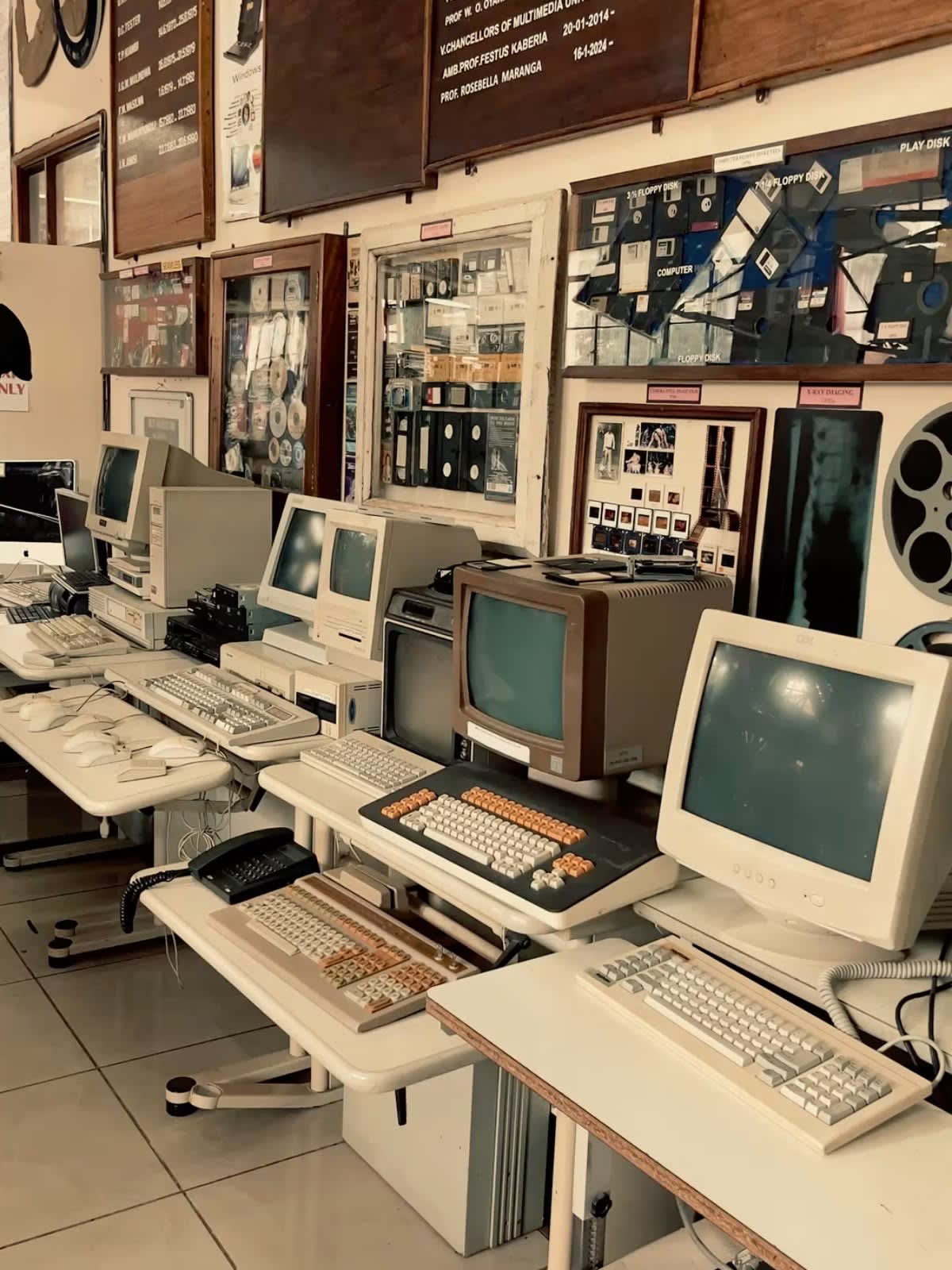
Back in the early 2000s, if you wanted to get online, there was a good chance you were heading straight to an internet café. Those cafés were everything.
Need to open an email account? Internet café. Want to update your blog? Internet café. Trying to spend three hours on the internet with only ₦200 in your pocket? Internet café.
In many ways, those places became Nigeria’s first real meeting point with the digital world. And during that period, blogging was king.
Writers, fashion lovers, entertainment enthusiasts and everyday Nigerians were using blogs to talk about celebrity gist, music, politics, relationships, fashion and their personal experiences.
For Nigerians, blogs became an alternative to newspapers and television because for once, Nigerians had their own platforms to tell their own stories.
Then smartphones became cheaper and the Internet became more accessible.
Suddenly, everybody had an audience and something to say.

Image from Pinterest
Sharing ideas was no longer limited to blogs and forums.People started making videos, taking photos, recording podcasts and posting skits that made people laugh, learn and connect.
What we now call content creation slowly started becoming an actual thing.
Comedy creators were among the first to blow up by creating videos about Nigerian parents, school life, relationships and everyday struggles that felt painfully relatable.
Because let’s be honest, if you’ve never watched a Nigerian parent skit and thought, “Wait, is this person living in my house?” Are you sure you’re a Nigerian?
Creators like Mark Angel, Craze Clown, Maraji, Broda Shaggi, Taaooma and Lasisi Elenu helped push content creation into the mainstream and inspired thousands of others to pick up their phones and start creating too.
Over time, content creation moved beyond comedy.
Fashion creators showed up.
Beauty creators showed up.
Food creators showed up.
Tech creators showed up.
Educational creators showed up.
Suddenly, creating content wasn’t just a hobby anymore. It became a career, a business and for many Nigerians, a source of income.
Today, whether it’s a comedian uploading a skit, a writer publishing a blog post, a designer sharing their work online or a marketer creating a campaign for a brand, they’re all doing the same thing that young Nigerians in internet cafés were doing years ago: telling stories, sharing ideas and putting themselves out there.
Content creation in Nigeria has really evolved over the years, but the bigger question is: what’s next for the future of content creation in Nigeria?