
By Oreoluwa Mojola, For EscapeMag.
If the cinema does not pick them up, does that mean that art should die?!”, Ugoma Ebilah
You walk into Mbari Kola and the natural light, cultural architecture and unhurried atmosphere immediately make the venue feel like more than the setting for a media briefing. The building itself seems to exist in a world of its own, leaving its guests with something to absorb before the first word is even spoken.
After the guided heritage tour, the attention turns to the reason for the gathering: the media briefing for Lights, Camera, Africa! Lagos Edition (“Convivium: In Gathering”).
On the morning of Tuesday, 29 September 2026, Mbari Kola became the stage for the long awaited announcement: the return of Lights, Camera, Africa! (LCA!), the independent film festival founded and directed by multi art curator Ugoma Ebilah.
“After six years, it mattered that LCA! return not simply with a programme, but with an invitation: to watch closely, think together and rediscover what becomes possible when people share a room. Convivium is about cinema as encounter, between films and audiences, and among all of us.” Ugoma Ebilah, Festival Director

Ugoma Ebilah, Festival Director
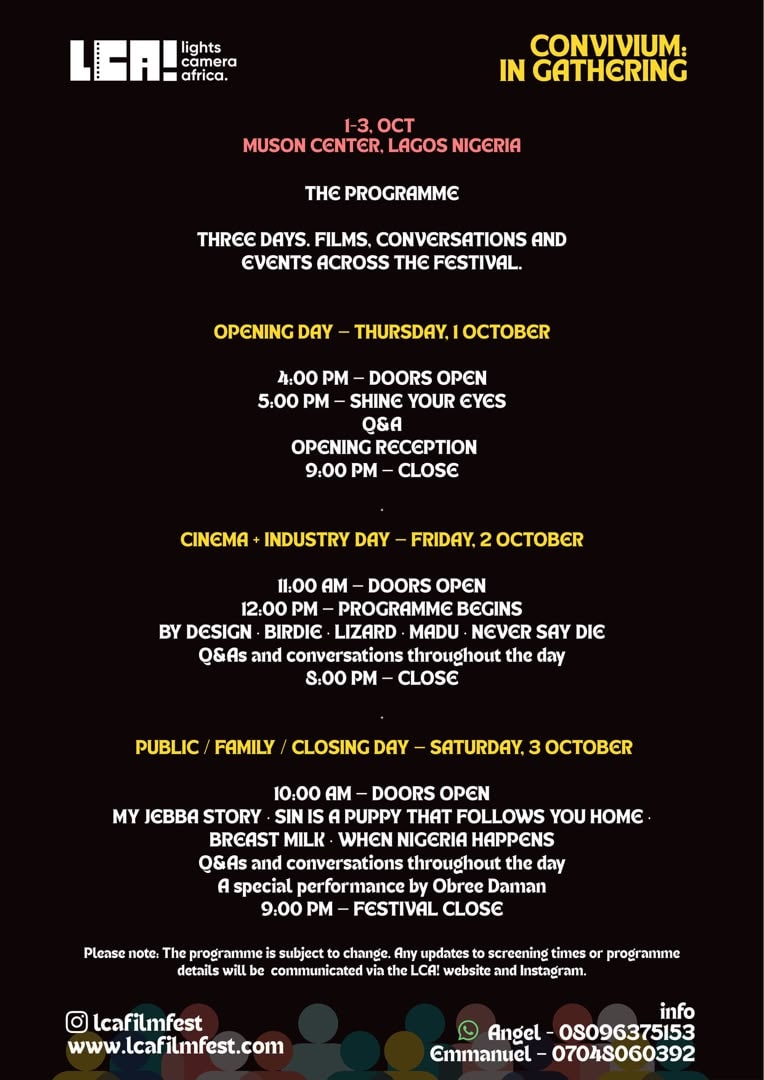
After a six year hiatus, the Lagos edition of the festival is set to run from 1 to 3 October at the MUSON Centre under the theme “Convivium: In Gathering.”
Admission to the festival is free.
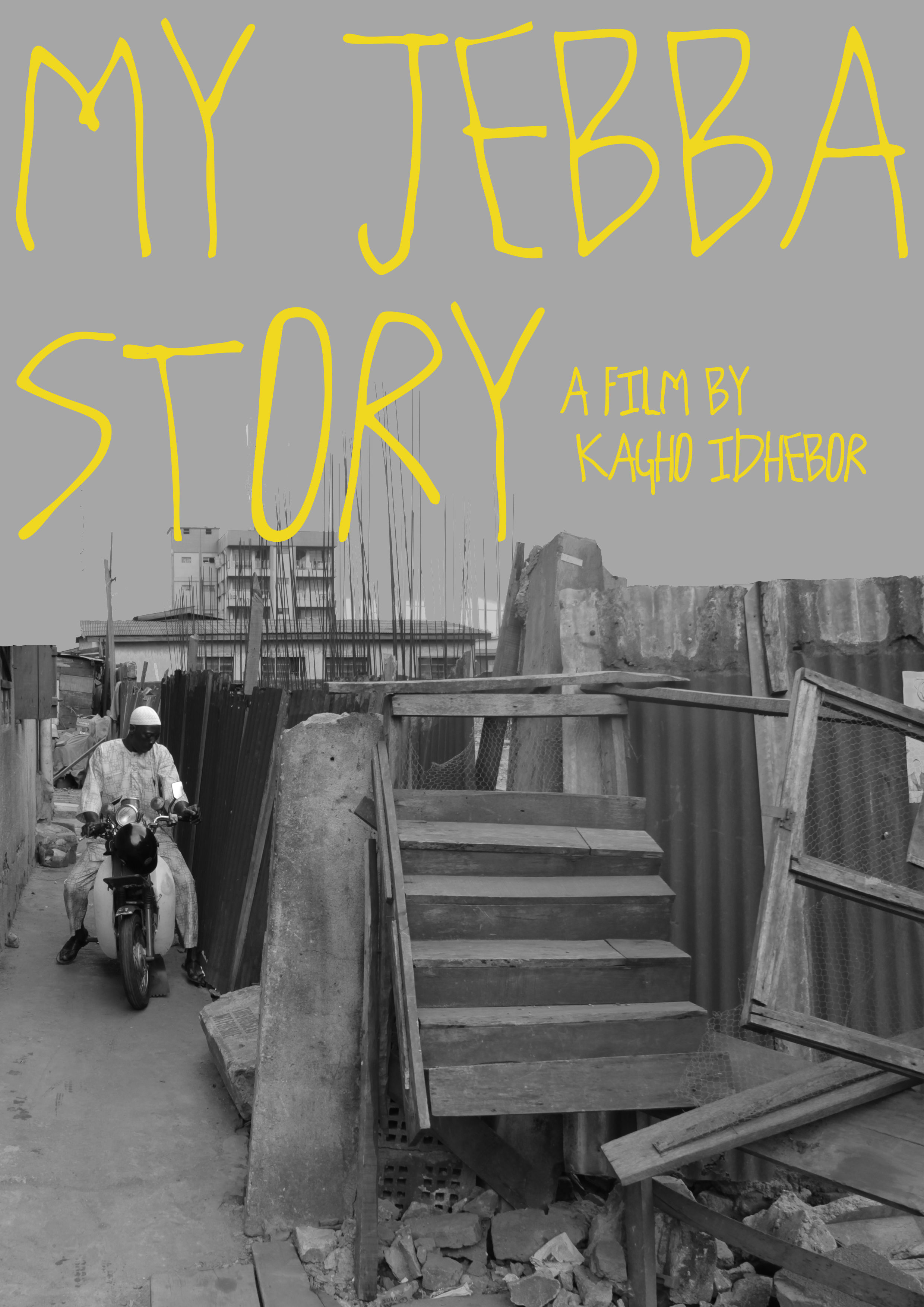
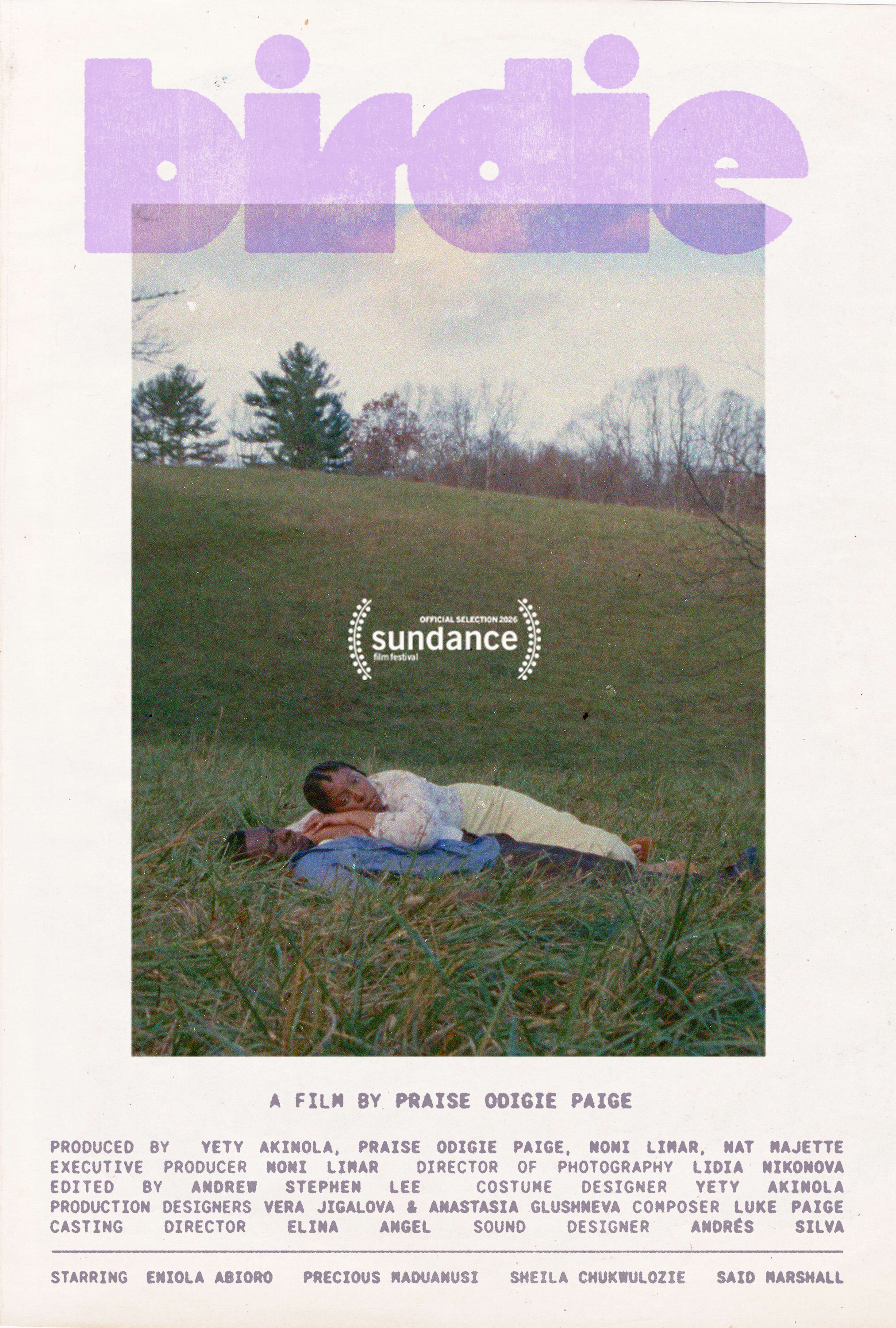
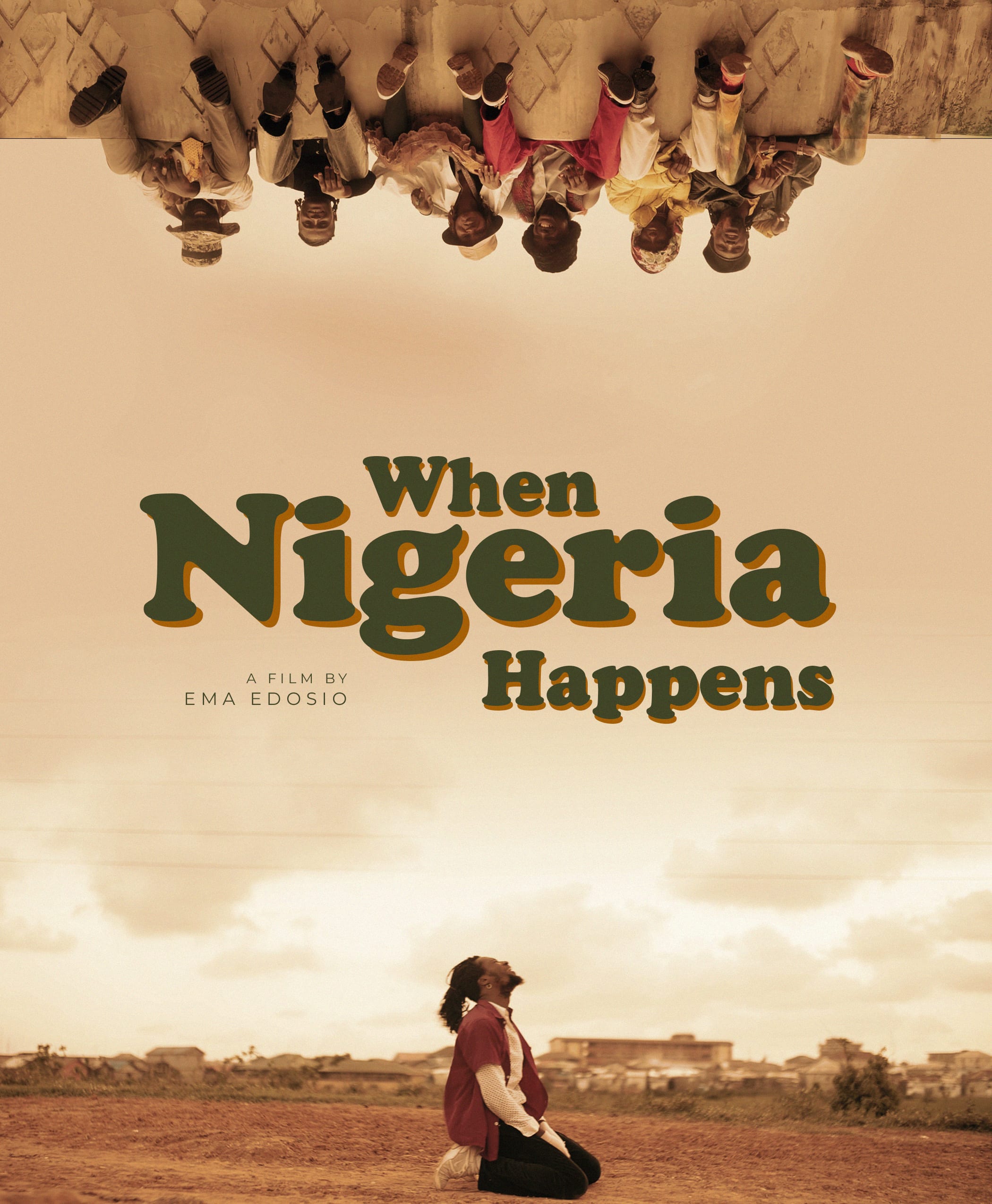
The comeback Lagos 2026 edition will convene filmmakers, artists, writers, musicians, thinkers and audiences for a programme highlighting African cinema, featuring Matias Mariani’s Shine Your Eyes, selected for the Panorama section of the 2020 Berlin International Film Festival; Ema Edosio’s When Nigeria Happens, the first African film to open the Open Doors Screenings at the Locarno Film Festival; and Ifeyinwa Arinze’s Breast Milk, screening for the first time in Nigeria after its international festival run. Akinola Davies Jr.’s Lizard (winner of the Short Film Grand Jury Prize at the 2021 Sundance Film Festival) and Praise Odigie Paige’s Birdie (which premiered at the 2026 Sundance Film Festival) are also on the programme.
The festival opens on Thursday, 1 October, with welcome drinks, an opening screening and filmmaker conversation, followed by an evening of music and hospitality. Screenings, Q&As and public conversations continue throughout Friday and Saturday.
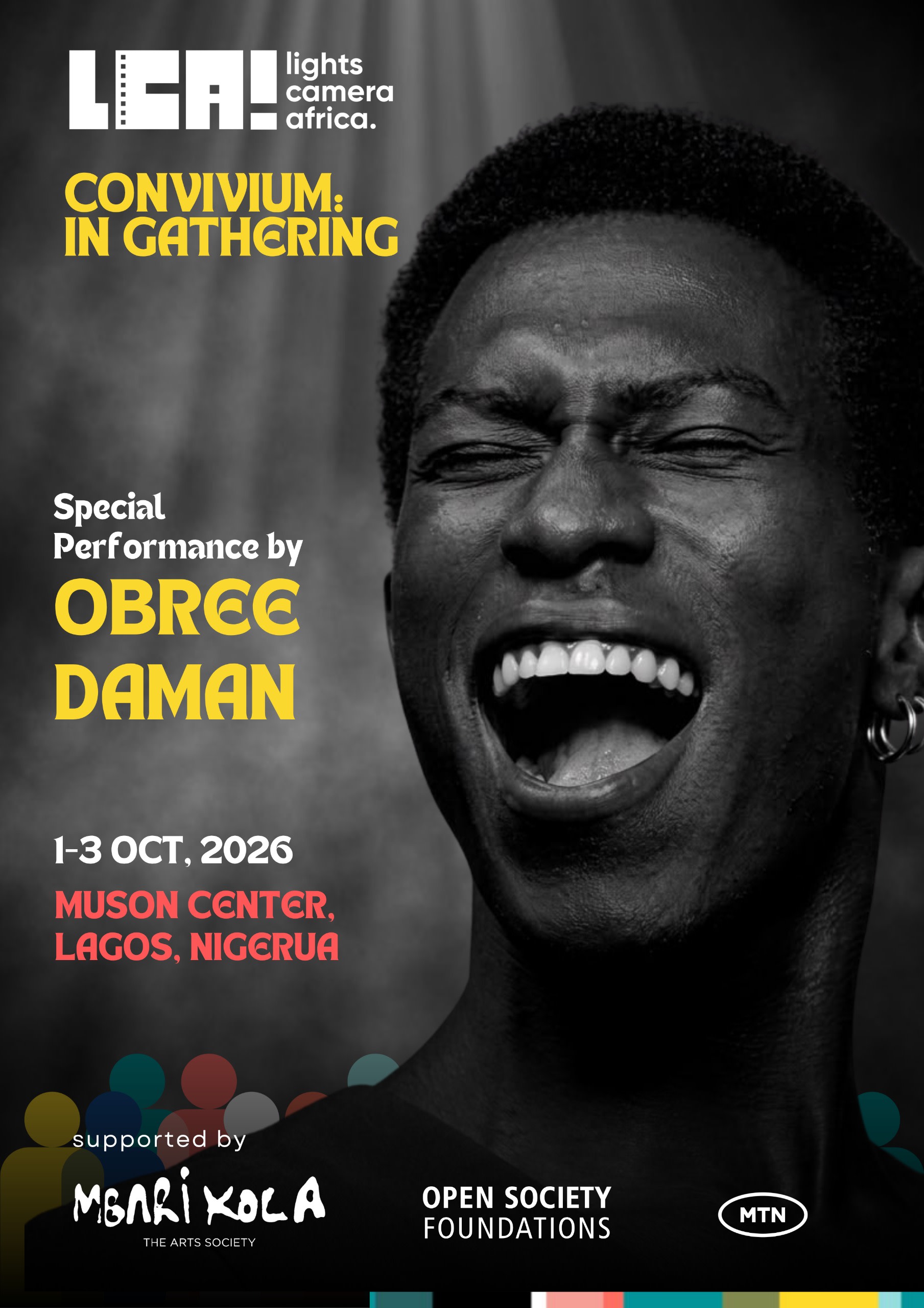
LCA! 2026 will close on Saturday, 3 October, with a special live set by Senegalese singer and guitarist Obree Daman, bringing the three day gathering to a celebratory close.

Inside Lights, Camera, Africa!’s 2026 Edition
For LCA!, the return to Lagos goes beyond restarting an event. The 2026 edition marks both a return and a reintroduction to rebuilding a space for African and diaspora cinema and cultural exchange, alongside creating a record of the filmmakers’ Q&As and cultural conversations exploring the ideas shaping contemporary life across the continent.
LCA! returns as a multi art festival with film at its centre, featuring collaborations that extend its programme across several art forms, from conversations to musical performances, meetings, greetings and fashion.
Image: Ugoma Ebilah, Founder and Festival Director: Lights, Camera, Africa!
At the briefing, Ugoma encouraged audiences to approach art with curiosity, arguing for a more “multivorous” engagement with different forms. She describes herself as a multi art curator who believes that arts, visual arts, music, film, literature, dance, food and other creative forms are “cousins”. She describes this approach as “collaboration across the arts”, a principle that is reflected in LCA! 2026’s programming and one LCA! has used to subtly stay at the forefront of the industry’s evolution.
A New Cycle
It was also announced at the briefing that LCA! would now operate on a biennial schedule, with the festival coming up once every two years, an intentional restructuring of its calendar.
“Within those two years, there will be lots of screenings and come-ups,” Ugoma said.
The plan includes mini screenings, conversations with filmmakers, photography exhibitions drawn from films, and other events developed through partnerships. One of these promised screenings will be hosted at Mbari Kola in the near future.
Why the Festival Stopped
Speaking at the briefing, Ugoma shed light on the hiatus and what was happening behind the scenes.
LCA! has always prided itself on being a free and social event that’s built around the idea that, “…in trying to share knowledge, one has to drop the barriers….” This has remained central to the festival: dropping those barriers!
However, social gathering, an essential element of the festival, became a problem when the COVID-19 pandemic made physical gathering impossible. “When COVID-19 happened and people couldn’t gather, it made no sense to us to host a festival that was fundamentally about gathering without actually gathering physically,” Ugoma explained. When restrictions eased, new complications emerged: a crowded arts landscape, stretched donor attention, and a funding pool that had become tighter and more competitive.
These compounded realities are why LCA! went on a break. The setbacks continued as recently as a month before the festival date, when Ugoma lost a close family member.
LCA! on Commerciality & Funding
One of the reasons for LCA!’s hiatus, Ugoma said, “is really down to the practicality of what it takes to put together a rich, qualitative festival that has no commercial angle to it”, a festival with richly curated art stories and film. LCA!, like any other typical arts culture event, finds that putting a commercial lens on the event isn’t among the sexiest attire.
“…these are the sexiest things when it comes to the arts but they are not the sexiest things when it comes to sponsorship and management support.” Ugoma on LCA! funding, finance and sponsorship.
LCA! is breaking the ice of the hiatus with an elegant festival, and its organising team deserves appreciation for bringing it back.
The festival also acknowledges its donors and sponsors, old and new: Open Society Foundation, MTN Nigeria, Mbari Kola: The Arts Society, plus support and sponsorships from friends (patrons) and donations.
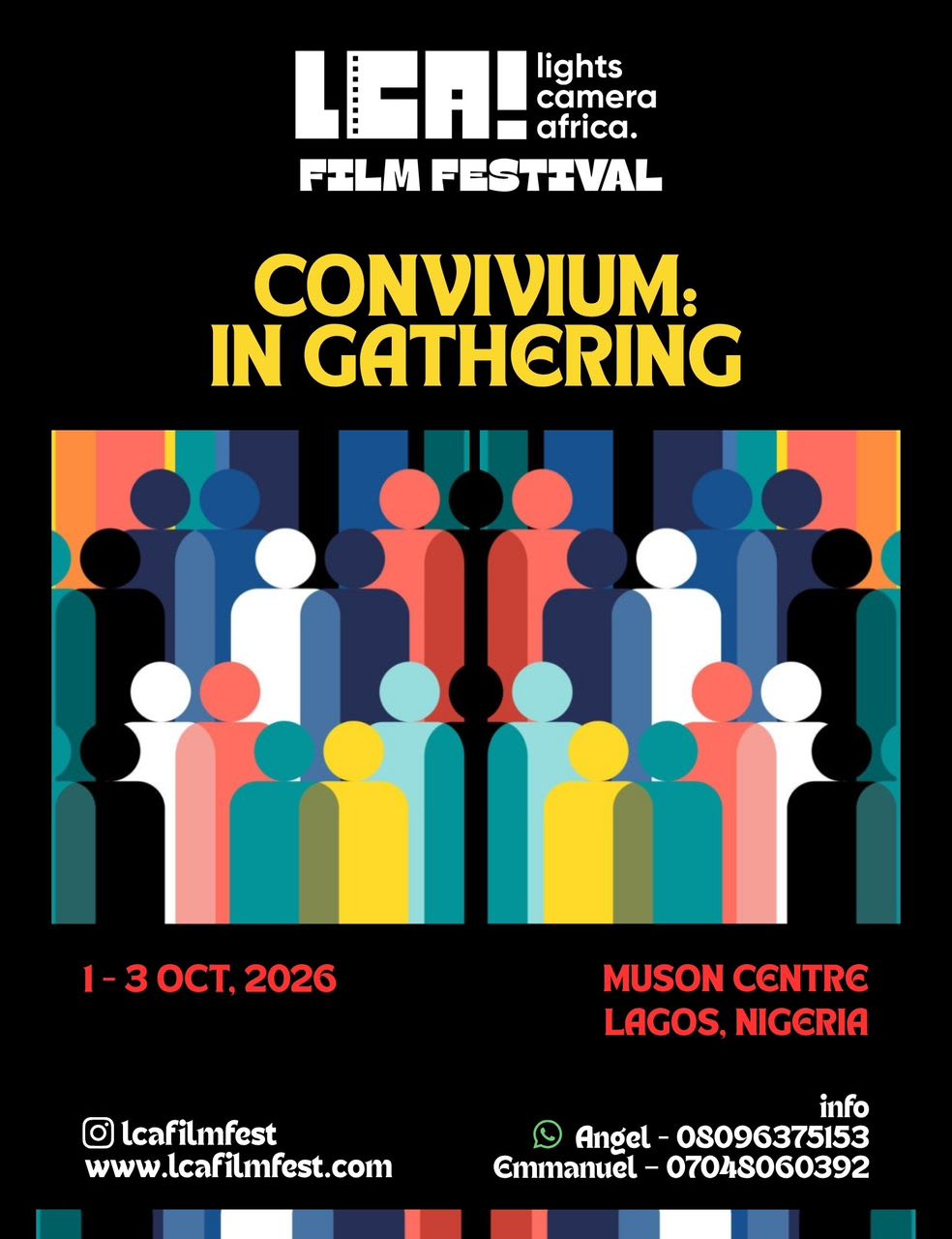
Image: LCA! flyer
Ugoma deserves kudos for carrying the financial weight of the festival, up to a certain point. As the cost of this noble cause grew, solo major sponsorship became unsustainable. Ugoma says she has been quite open about this, making sure that these stories get told. Most people who have followed LCA! through the years know this.
LCA! Before The Hiatus
Before 2020, LCA! had carved out a rare niche in Nigeria’s cultural calendar: a free, social, intensely curated platform for independent, African and diasporic films that commercial cinemas often ignore. It answered a basic but urgent question for alternative filmmakers: where do we show our work, and for which audience?
Festival director Ugoma framed LCA! as “essential infrastructure” for the industry, a platform that, in the words of veteran photographer Tam Fiofori, “returned nobility to filmmakers.” The festival offered production exposure, audience access, and a sense of belonging in an era of limited funding and gatekept distribution.
For filmmakers, it’s a renewed platform for work that doesn’t fit neatly into mainstream circuits. For audiences, it’s an invitation to gather, question, and feel deeply. And for the ecosystem, it’s a signal that infrastructures can be rebuilt. When LCA! went quiet after 2020, that infrastructure vanished. The void was felt in missing screenings, and even more in the absence of a dedicated space where experimental, personal, sharp stories and conversations could gather a community. That a festival this central went dark during the same years Nigerian film was chasing streaming deals and box office records says a lot about which kind of cinema gets funded in this country.
On Curation
A notable feature of LCA! is the platform it provides to put on screen authentic independent stories, with rights to be displayed in elegant productions and settings. LCA! deems itself a classic festival, with a standard of curation known to be remarkable, simple but demanding.
LCA! holds the belief that if a film has power, enough power, whether it’s new or old, it has earned a right to be shown. Through its curations, LCA! has also shown that it believes some films simply require repetition, and that second or multiple views in different perspectives, based on different experiences, can unlock new insights.
Also present in curation, and in fact not shied away from, is the relationship between LCA! and a few filmmakers it has worked with over the years. The most recent display of this is Ema Edosio, who made her debut at LCA! and has been reinvited to LCA! 2026 with “When Nigeria Happens”.
Beyond the films, the festival curation team also focuses on stories, emotions, film artistry and the conversations that come from these stories: ones that inspire us, ones that bring us closer to each other, ones that teach us how to be better Nigerians. A quintessential social charge and mission through the art.
“If the cinema does not pick them up, does that mean that art should die?!”