
Ojude Oba Festival
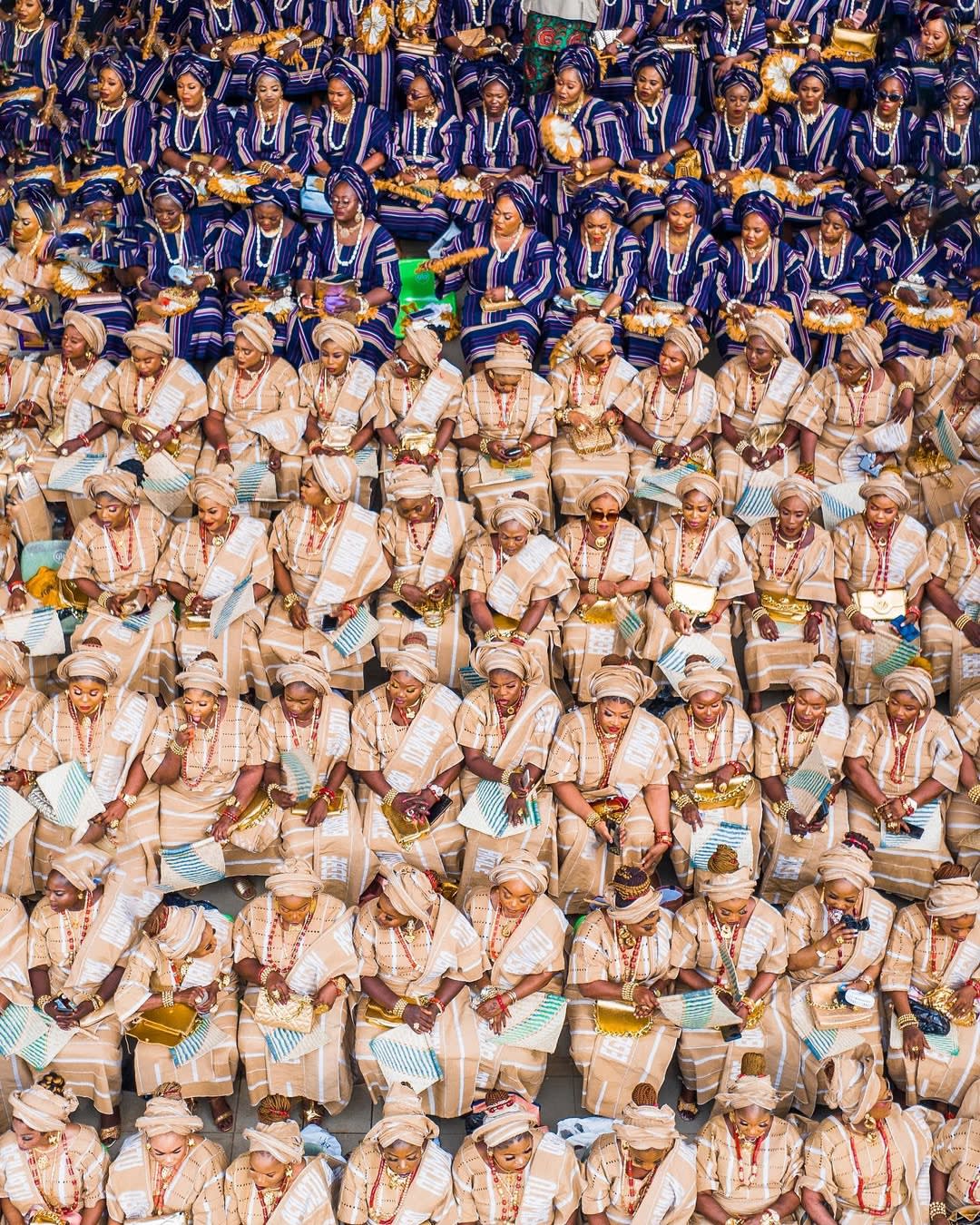
Ojude Oba started in the late 1800s, when early Muslim converts in Ijebu-Ode began gathering to show respect and loyalty to the Awujale, the king of the Ijebu people.
It is a well-known cultural festival celebrated by the Ijebu people of Ogun State, Nigeria, usually a few days after Eid-el-Kabir.
Ojude Oba simply means “the king’s forecourt” or “in front of the king.”
Read more…
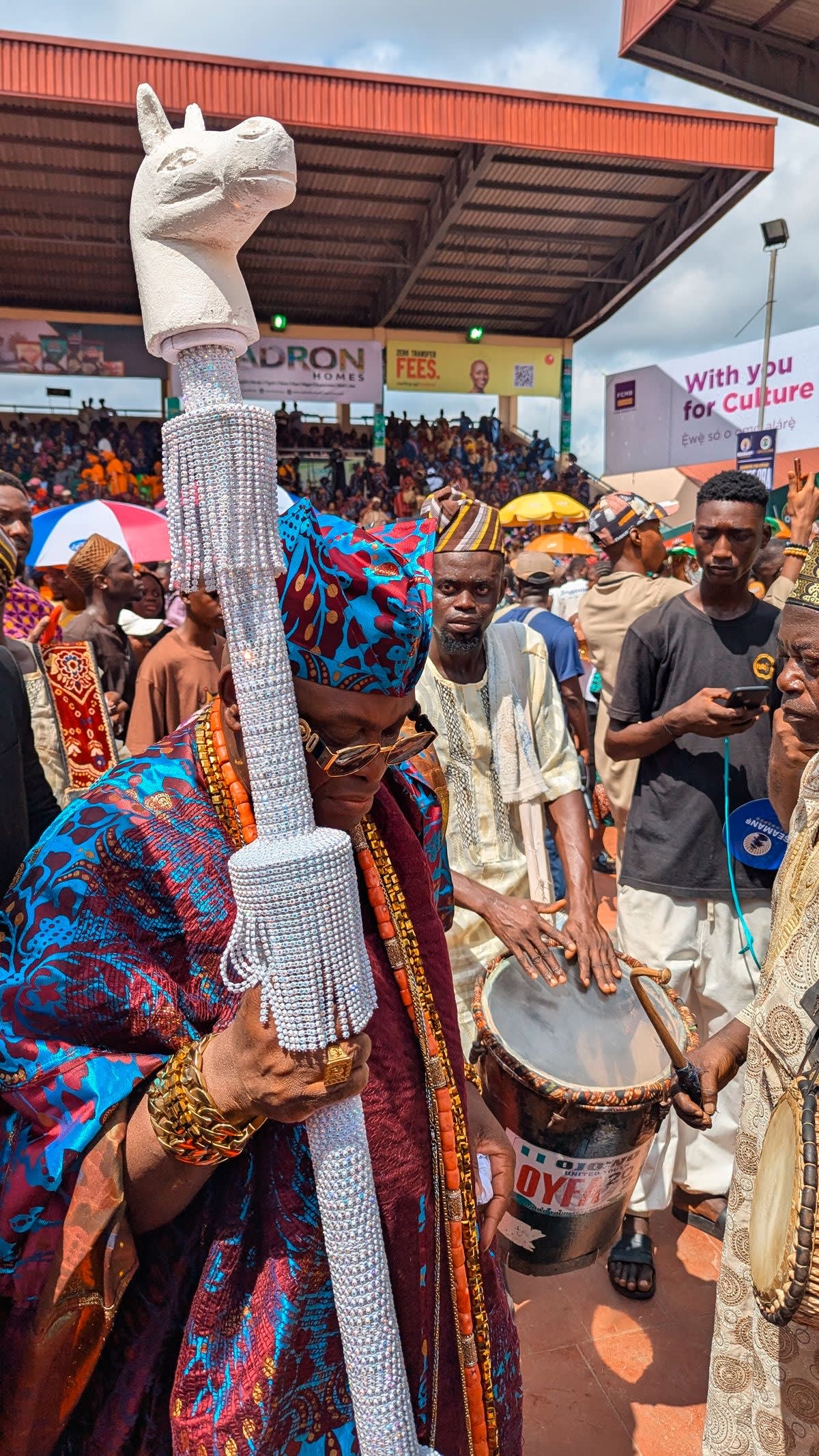
A king spotted during Ojude Oba 2026 event
Kings are not just rulers. They are also people who carry the history and culture of the land. They stand for unity, respect, and tradition. That is why a festival like Ojude Oba matters, it is a way of showing love and respect for where people come from.
Over time, many things have changed, but Ojude Oba is one of those events that reminds us culture is still alive. People still wear their traditional clothes, speak their language, and show their customs proudly.
There is fashion, music, talking drums, dancing, and horse riding, all mixed together. But more than anything, it is about people coming together as one.
Can Ojude Oba 2026 Be Called a Family Gathering?
Yes, it really feels like one big family reunion.
Thousands of people who grew up together, or share the same roots, come from different places just to meet again.
Families arrive one after the other, dressed in colours that mean something to them. Wine colour feels like history. Blue like beautiful Adire. Green like a new plant. Gold like pride. These are not just outfits, they tell stories.
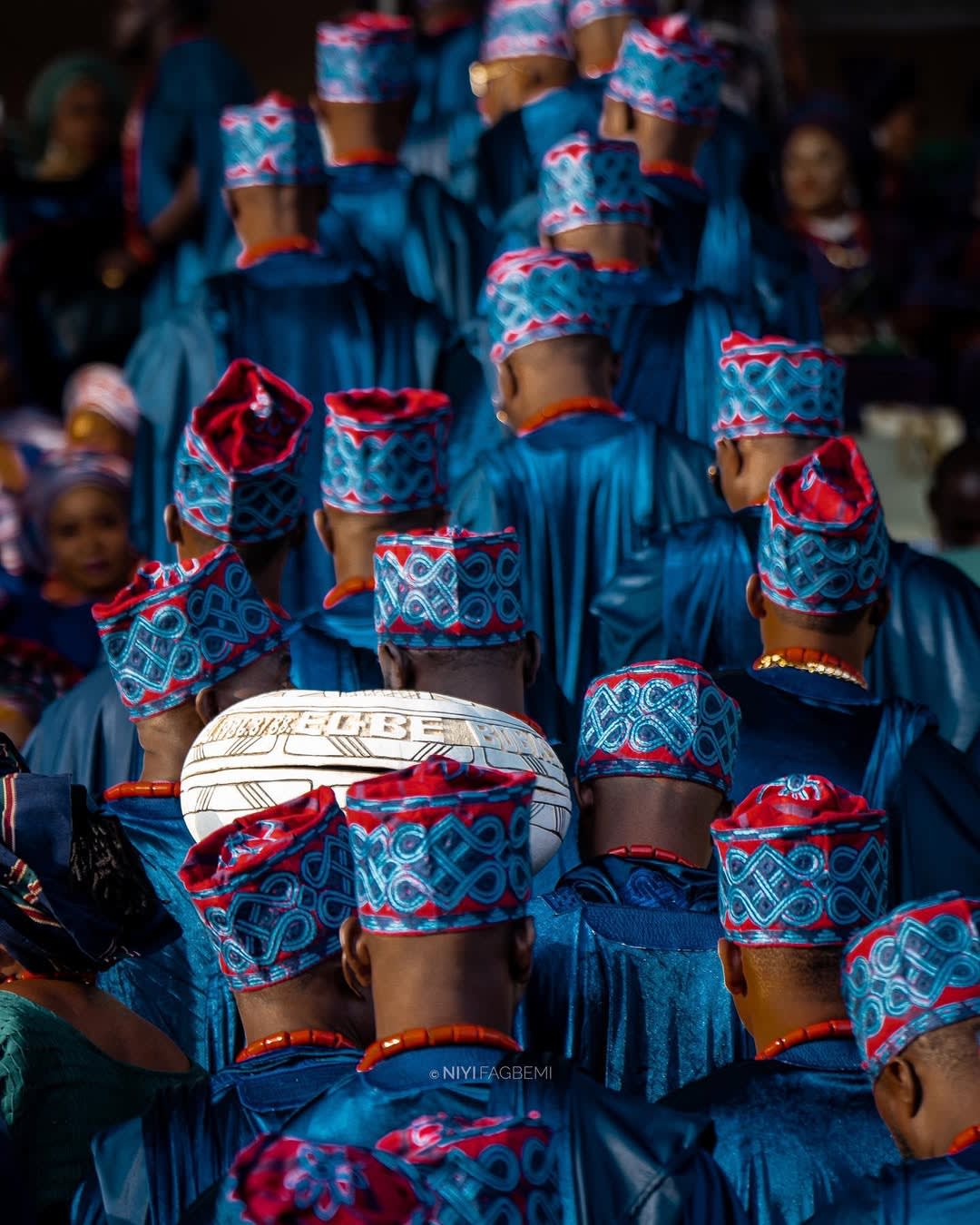
Ojude Oba 2026
People who have not seen each other for years hug and laugh like no time has passed. Cousins reconnect. Friends shout each other’s names. Elders greet slowly and carefully, like every handshake has meaning.
Then you see the parade. Families ride horses in front of the king, not just to show off, but to honor where they come from. The Awujale sits like a father watching his children and grandchildren return home.
For that moment, everyone feels connected. Even strangers feel like family.
Yoruba Culture Still Lives
A lot of us learned about Yoruba culture in school. But Ojude Oba makes it real. You are no longer just reading it, you are seeing it happen in front of you.
Things like a girl kneeling to greet or a boy prostrating are not just “old traditions.” At Ojude Oba, you see what the Yoruba culture really means - the respect, the humility, and the values passed down for years.
Everything you see there has meaning - the drums, the beads, the clothes, even the body marks. Nothing is just for show.
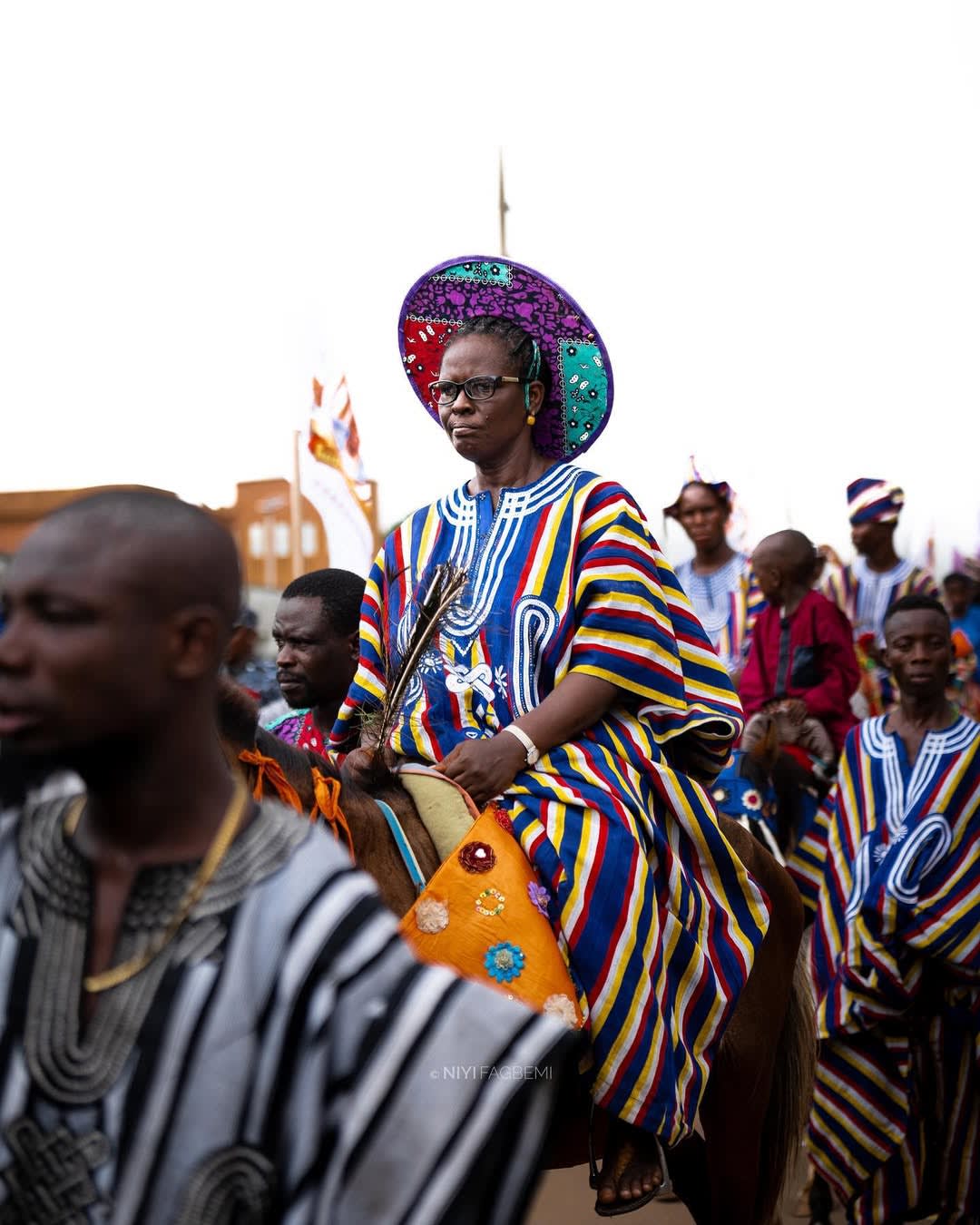
A woman on a horse
Culture doesn’t survive because buildings are still standing. It survives because people remember it and pass it on.
And at Ojude Oba, it feels like the voices of old generations are still alive through music, language, and tradition.
The festival also reminds us that in a fast world, we should not forget who we are.
In the Ojude Oba 2026, this year, the road is full of music, horses, laughter, cameras, and bright colours everywhere. Young people are excited, taking pictures and videos. Older people come with memories in their eyes. For them, it is not just an event, it is something deeper.
As someone from Ogun State, I grew up seeing Ojude Oba in school textbooks. But seeing it in real life as an adult feels different. It feels more meaningful and real.
One strong thing about Ojude Oba is seeing people come back from abroad just for it. Some don’t speak Yoruba perfectly anymore. Some have been away for years. But they still come back. Something always pulls them home.
“When people remember their culture, they remember who they are.”
This is what Ojude Oba means.
Ojude Oba matters because it keeps history alive, brings families together, teaches younger people their roots, and helps people remember where they come from.
Without culture, stories slowly disappear. Language fades. People forget. But events like this keep everything alive in a joyful way through music, fashion, stories, and celebration.
Culture is not just something to celebrate. It is what connects the past, present, and future.
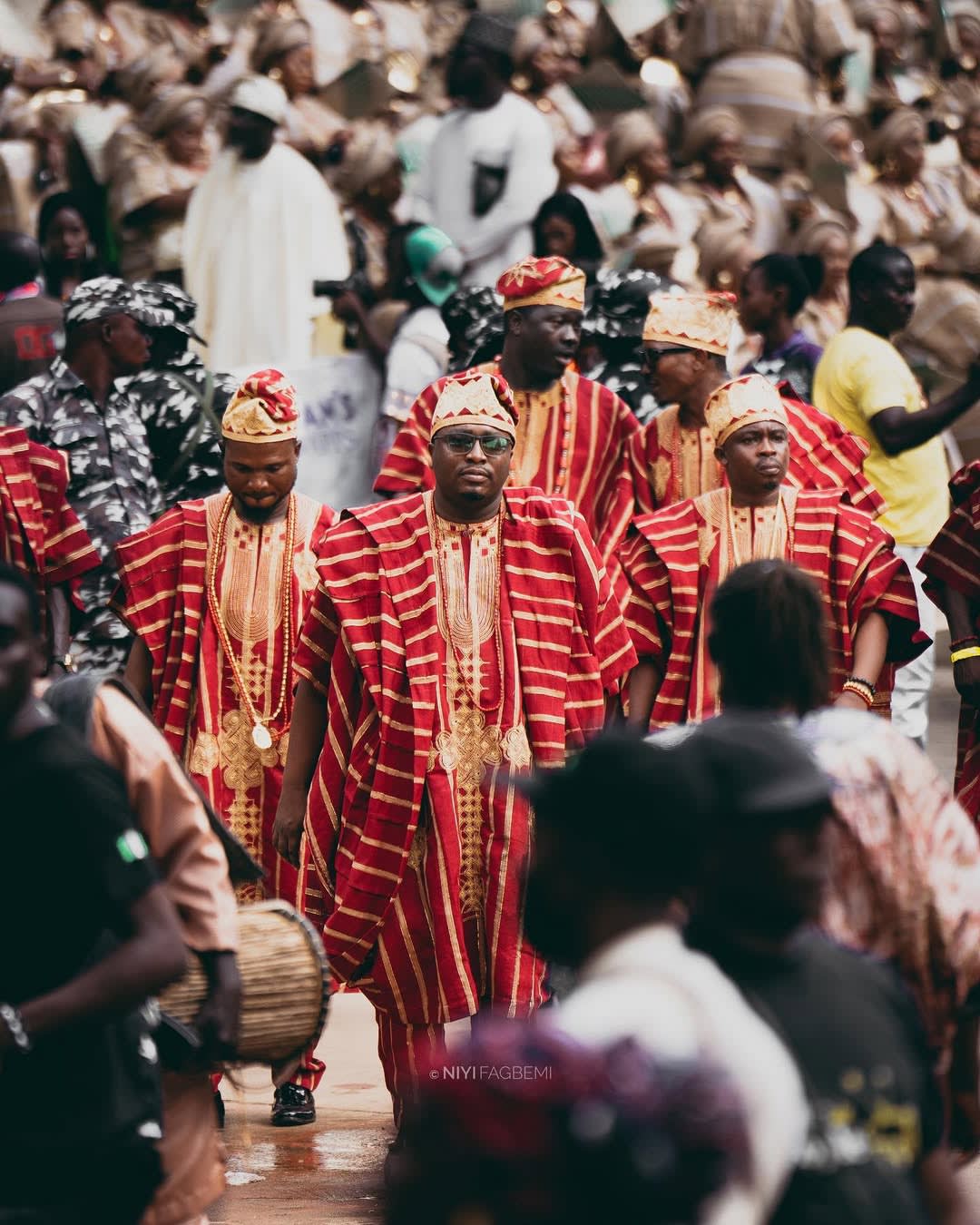
Ojude Oba 2026
Ojude Oba Today
Ojude Oba is no longer just a local festival. It has become something bigger; a cultural moment, a fashion showcase, a tourism attraction, and something the world now watches online.
Before the event even starts, brands, creatives, photographers, and planners already start preparing for it.
Brands like Orijin, Globacom, FCMB, Goldberg, Rite Foods, Maltina, Honeywell Foods, Adron Homes, Maggi, SIFAX Group, and Seaman Schnapps all played a part in Ojude Oba 2026.
They helped support the event, increase visibility, and make it reach more people.
Photographers, drone operators, content creators, stylists, and media teams captured everything, from horse riding to fashion moments to cultural groups. These clips spread across TikTok, Instagram, X, and YouTube.
By June 2026, reports said the festival had over 218 million views online, making it one of the most talked-about cultural events in Africa this year.
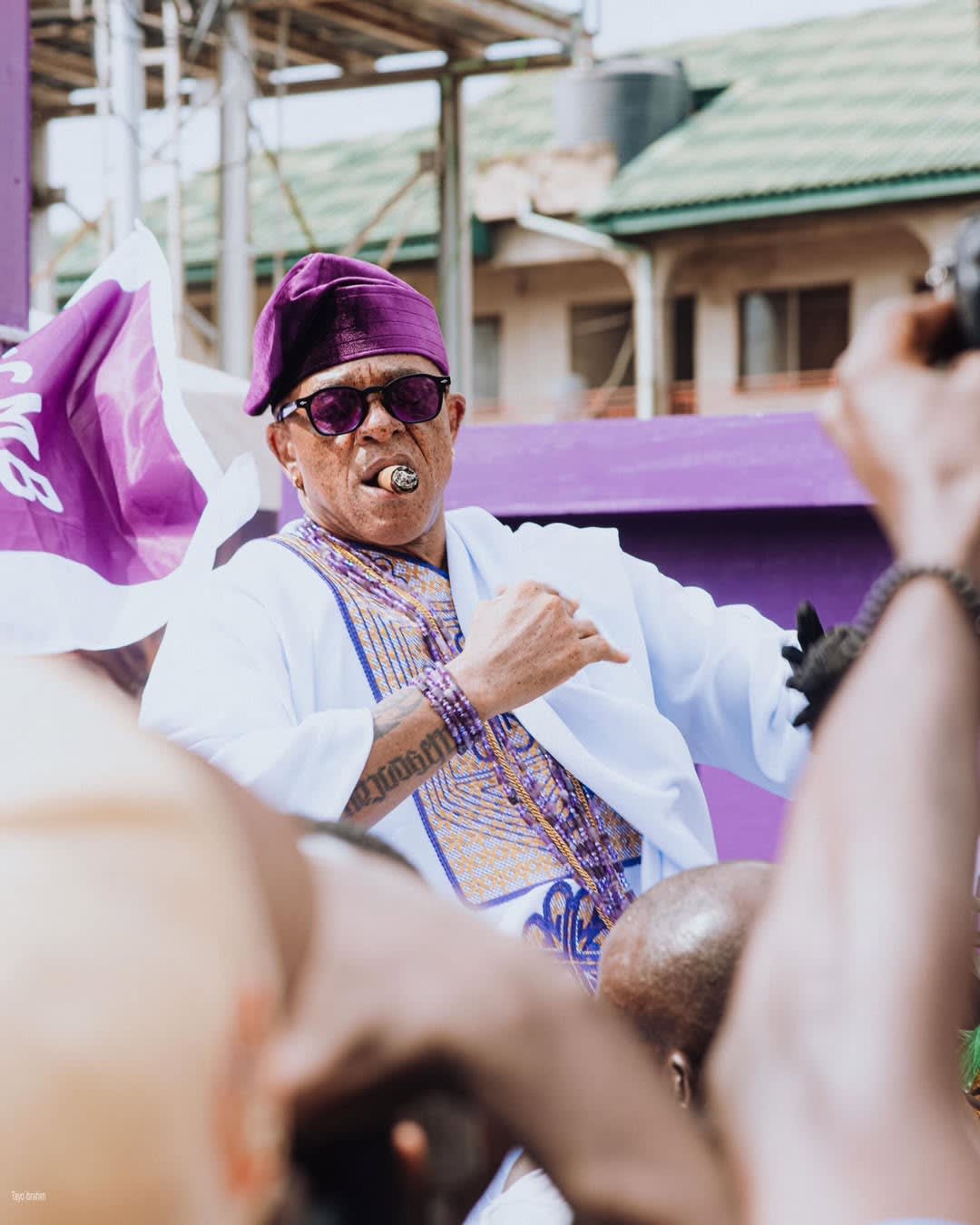
Farooq Oreagba
People like Farooq Oreagba, Akin Faminu, Vector, and Eniola Badmus also helped bring attention to it through their outfits and presence.
Fashion became one of the strongest parts of the story, not just clothes, but identity.
We should keep using modern tools to promote cultural events like Ojude Oba, not lose their meaning.
And when the drums finally slow down in Ijebu-Ode on that day, one thing is clear: Ojude Oba is not just a once-a-year event.
It is a memory. It is identity. It is home.
And because of it, we now see its influence in weddings, graduation shoots, and modern fashion moments.
One question that stands now is “how many more African cultural events are we not paying attention to?”