

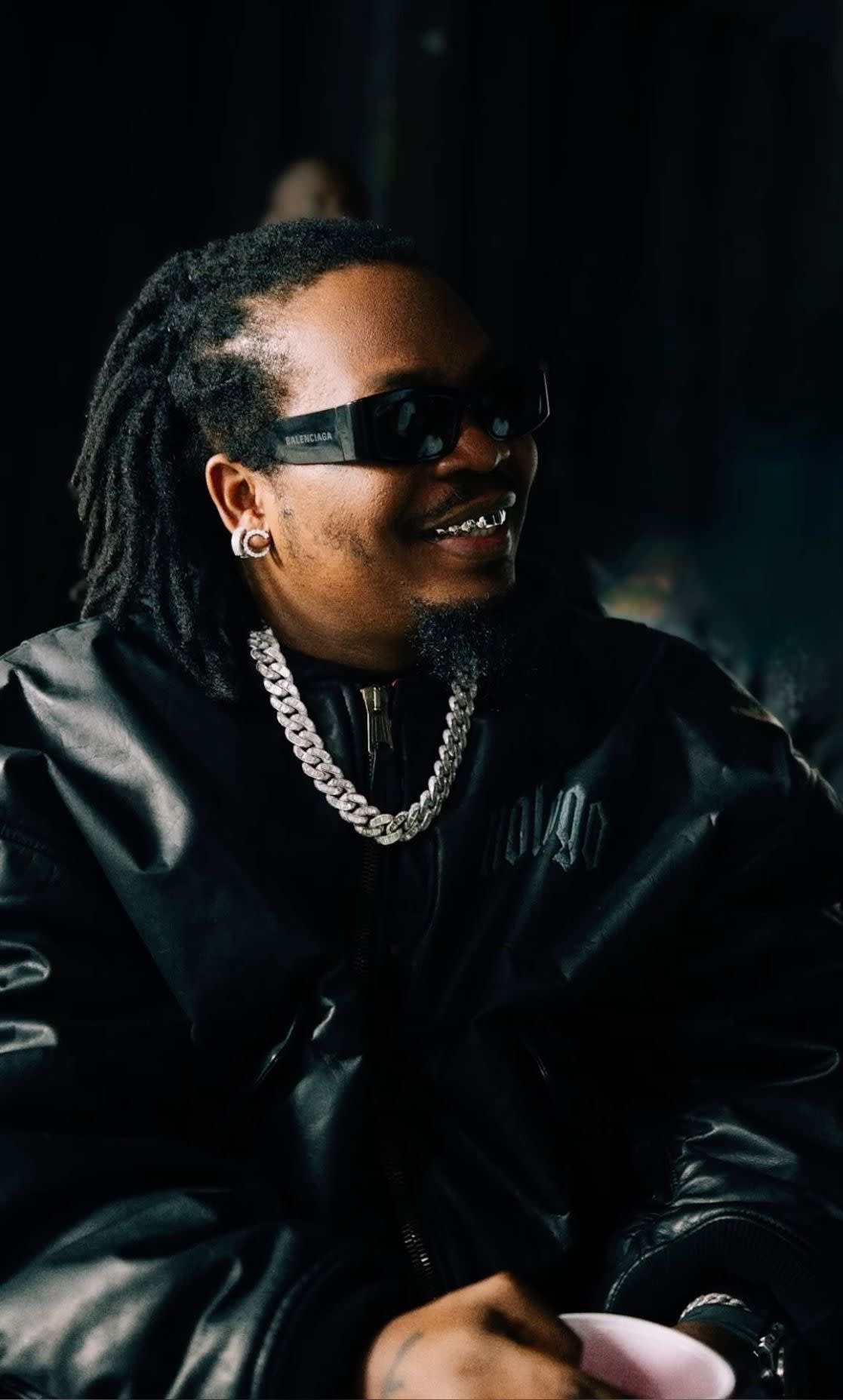
In an industry where artists come and go so quickly, staying relevant for over a decade is not something that happens by luck. Yet somehow, Olamide has continued to remain one of the leading voices in Afrobeats, even as sounds, trends, and generations continue to change.
More than ten years later, the music still slaps.. The vibe still feels real. The energy is still there. And maybe that’s because Olamide Baddo never tried to become someone else just to stay relevant.
Olamide Adedeji, popularly known as Baddo, began his journey around 2010 and quickly became one of the major voices in indigenous rap and street-hop music. At a time when not many people were paying attention to indigenous rap, he came into the industry proudly using Yoruba, Lagos slang, and everyday street experiences in his music. Songs like “Eni Duro” stood out because they sounded raw, honest, and relatable.
Growing up in Bariga, Lagos, Olamide understood struggle, hustle, and survival from a young age. Instead of hiding those experiences after fame came, he carried them into his music. That’s one of the reasons people connected with him so deeply, his songs felt like real life.
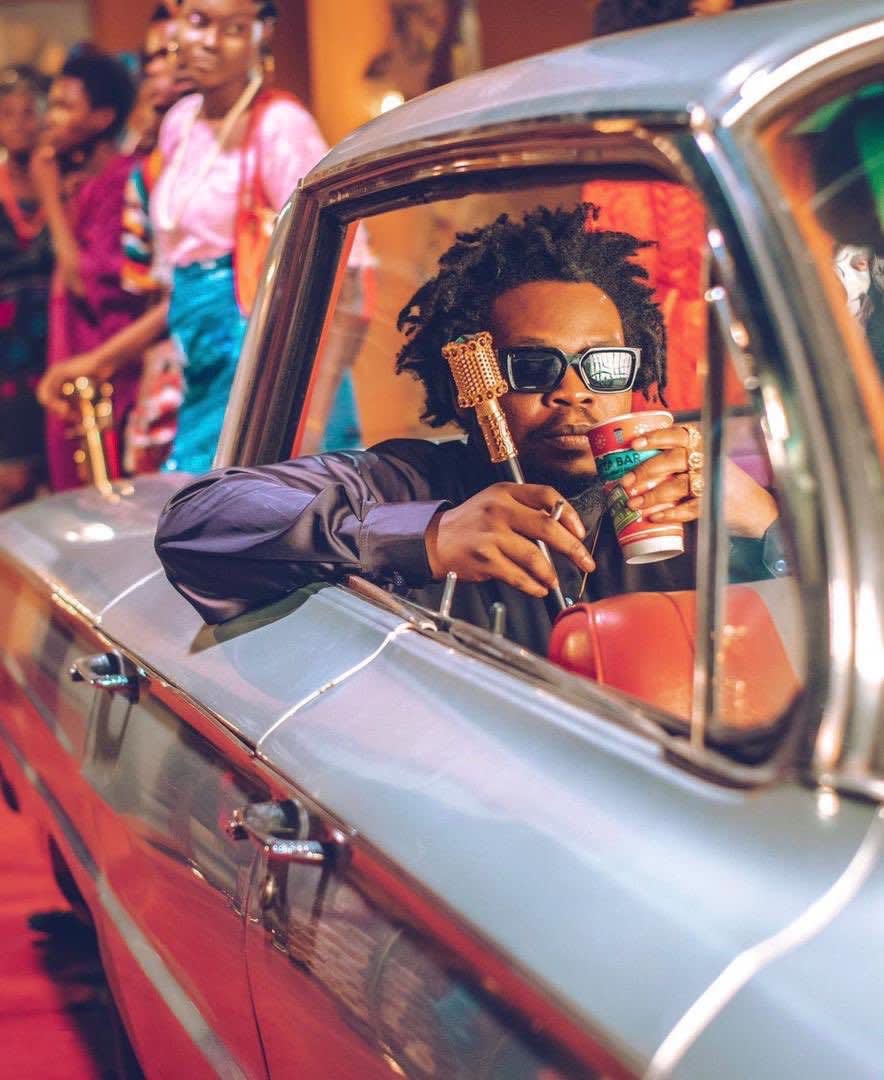
Olamide Adedeji: Baddo
What makes Olamide different from many artists who faded with time is his ability to evolve without losing himself. A lot of artists get stuck in one sound or one era, but Olamide kept growing with the industry while still maintaining the originality people loved him for.
Whether it was hardcore street-hop, commercial Afrobeats, melodic records, or softer sounds influenced by amapiano, he found ways to adapt naturally. Even with all the growth, the local identity and authenticity in his music never disappeared.
Another thing that keeps Olamide relevant is how connected he remains to culture. He didn’t just make music people danced to; he created songs people related to. From Lagos street slang to everyday expressions, many phrases from his songs became part of normal conversations. That kind of influence goes beyond charts.
He also proved that Nigerian artists do not have to sound foreign before they can succeed. Olamide made indigenous music commercially powerful while staying true to where he came from.
Beyond his own music career, Olamide’s impact became even bigger through YBNL Nation. Artists like Adekunle Gold, Fireboy DML, Asake, and Lil Kesh all grew through the platform he created. That move changed him from just an artist into someone shaping the future of Nigerian music itself.
Even recently, he continues to show why he has lasted this long.
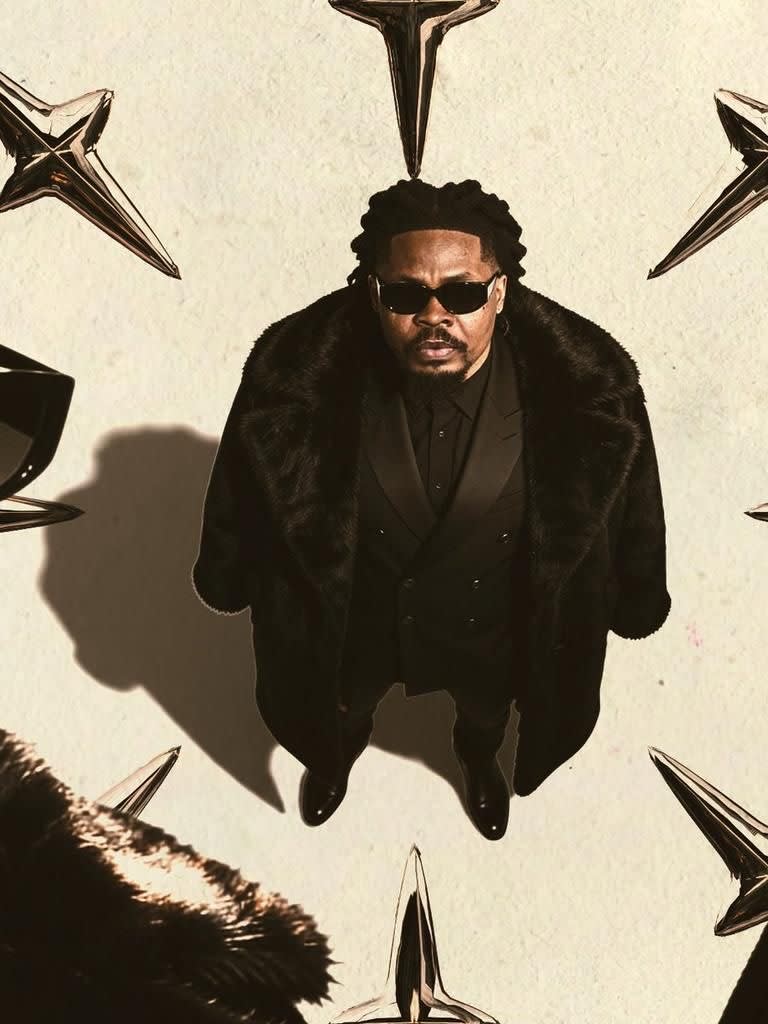
A man of influence
“Formation” with Adekunle Gold blends Fuji influences with modern Afrobeats in a way that feels both fresh and familiar. “Come Kulosa” with Shoday shows his connection to younger audiences and newer sounds in the industry.
“Kai!” with Wizkid brought together two major names in Nigerian music, reminding listeners that Olamide still carries both commercial strength and cultural influence. Then there’s “Zion” with Teni, which highlights how naturally he fits into different styles of music without losing his identity.
His latest single, “Rock Me Gentle,” shows another side of his growth. With softer vocals and amapiano influences, the song feels calmer and more mature, while still carrying the familiar vibe people know him for.
Every stage of Olamide’s career reflects something important; growth, consistency, reinvention, mentorship, and cultural influence. While many artists disappeared after one major song, Olamide kept evolving with time instead of fighting against it.
At this point, he is more than just a rapper or hitmaker. Olamide represents longevity in an industry that rarely gives people second chances. He stayed relevant because he understood that music is not only about trends, it is also about identity, connection, and growth.
And honestly, that may be the real reason his sound still doesn’t fade.
Have you seen Olamide’s interview with Korty?