
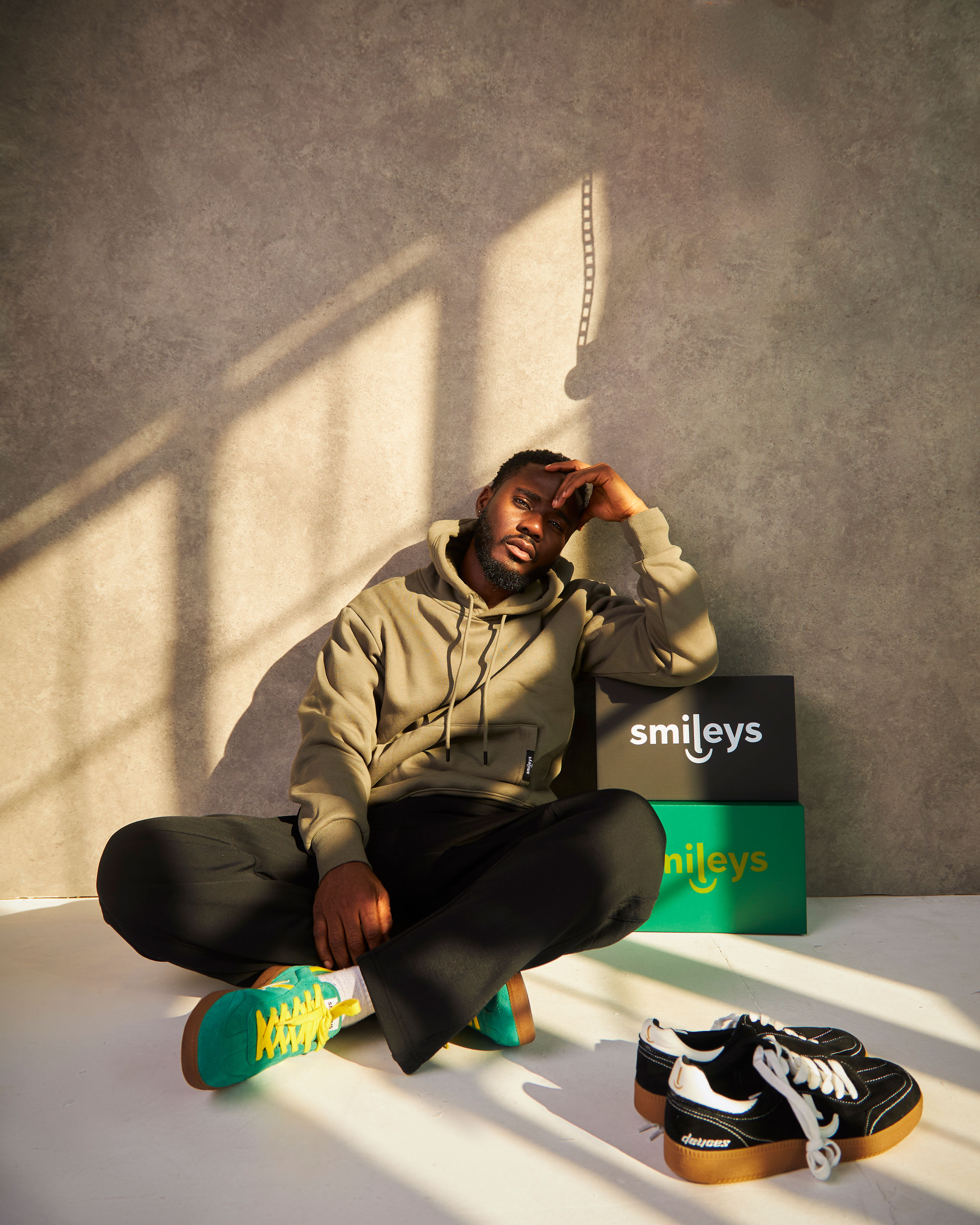
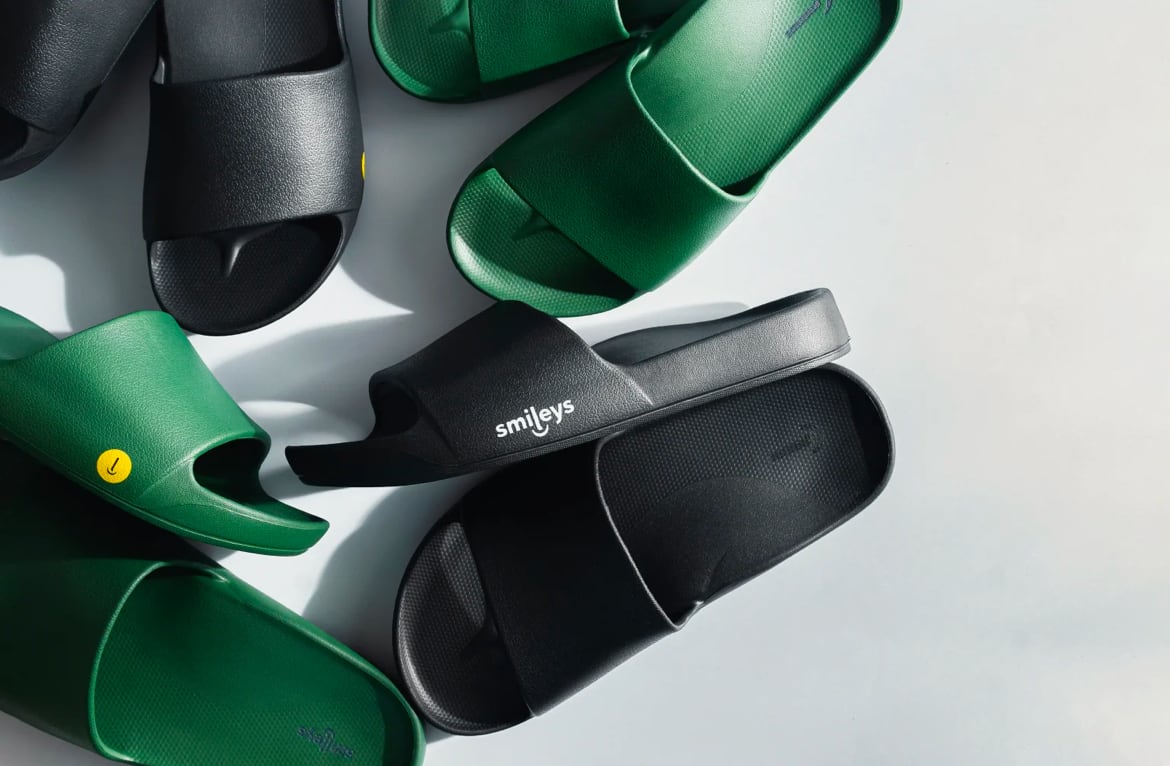
Founded in April 2019, Smileys Africa began with something as simple as socks and the possibilities of presenting everyday products differently. Since then, the brand has expanded into sneakers, slides, beanies, underwear and activewear.
I spoke with Habib Olawale about the thinking behind Smileys Africa, the realities of building products, and the lessons of turning a creative idea into a business.
The Beginning: Something Fun
Q: What inspired you to start Smileys Africa? What were you thinking at the time?
Habib: Okay! What was I thinking?
I wasn’t thinking per se. I just wanted to do something fun. I was thinking of starting something on the side, so I researched how people go about having a business and what they need to do.
I looked at e-commerce websites like Amazon, Konga and Jumia to see the most searched products. I saw electronics, watches and other products, including one-size-fits-all items. Then I saw socks, and that was interesting to me.
I also saw how fun it could be to present the product. At the time, I felt Nigerian brands weren’t really taking advantage of that aspect. I thought things that could be done differently.
It wasn’t necessarily about making money. I didn’t imagine it would become what it is today. I just wanted to do something fun.
Q: Was presentation the main opportunity you saw?
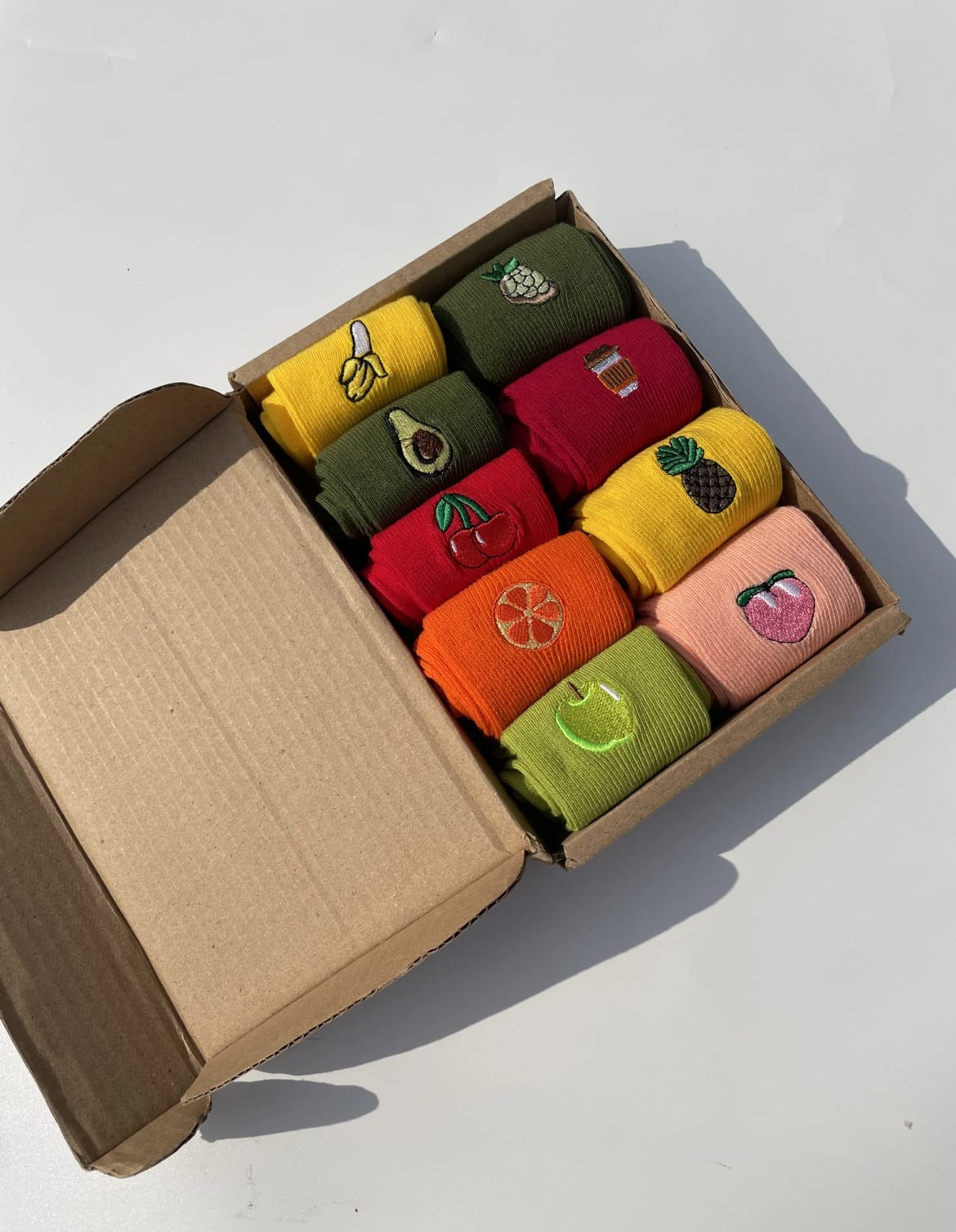
Habib: I’m always so focused on the outside. The major things you experience from the outside are presentation and pricing. You can’t really tell the quality of a product until you buy it, so I felt the presentation was where we could make a difference.
It was mostly the website, packaging, content and social media vibe. All those things make up the branding. Branding is basically what you experience of a business.
I wanted something modern and fun. If I’d seen a brand that fulfilled that want at the time, I probably wouldn’t have started Smileys. But I felt like this was something that should exist.
Q: What principles guide the products you create?
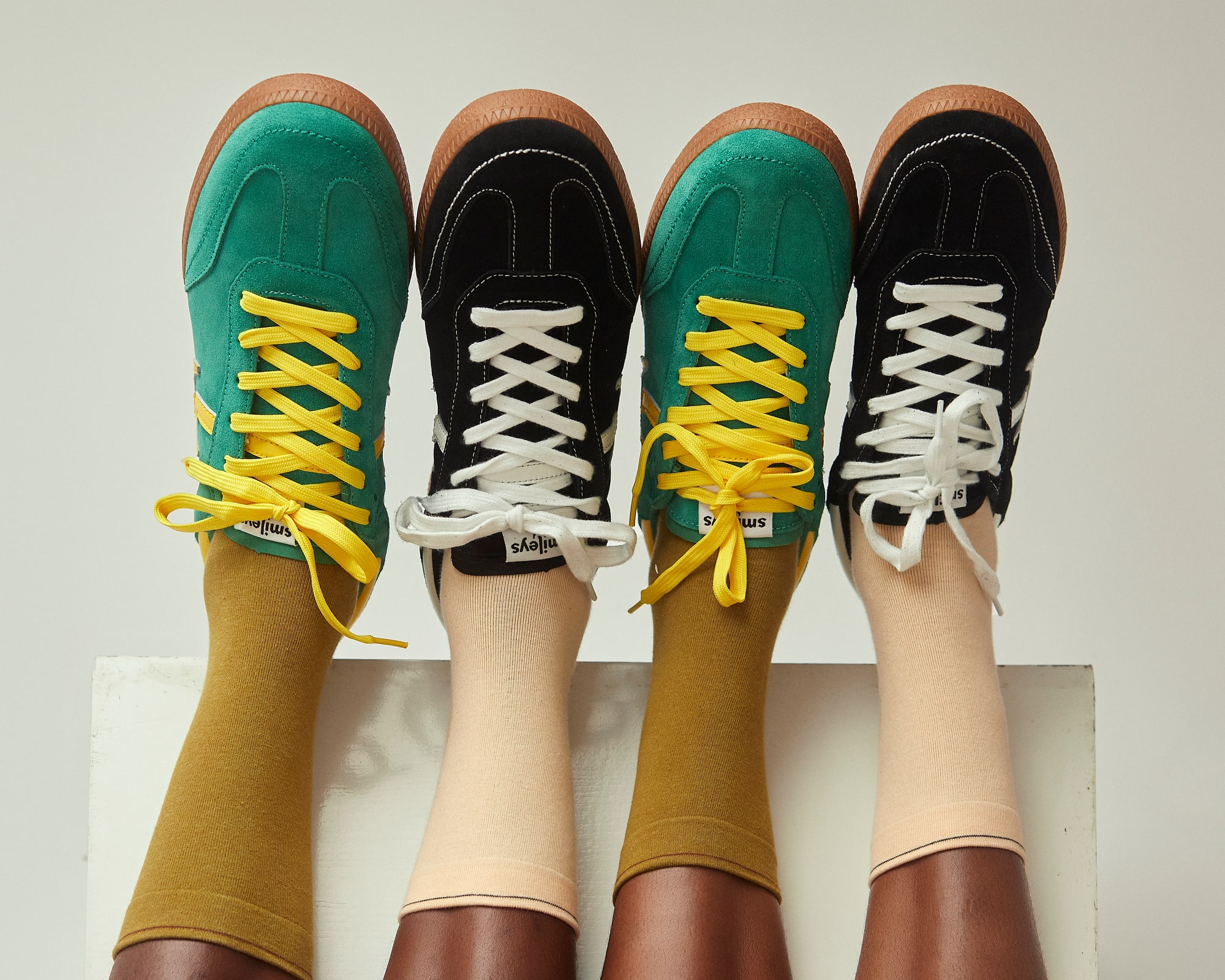
Habib: From the beginning, we wanted good quality, and we wanted our products to be affordable for most people. The product also has to be fun and exciting. It should be something people are happy to show or give to others.
And there’s comfort. If you’re wearing our shoes or socks, you should feel comfortable. Whatever we’re selling should be comfortable to use.
Those are still the things that guide what we do: good products, good standards and a fair price for both the business and the customer.
Q: How do you approach product development, particularly when balancing design and functionality?
Habib: We try to approach things with simplicity.
When I want to create a new product, I’m present in the phase I’m working on. If I want to create a running shoe, for example, I have a picture in my head of someone wearing it on a track, in a stadium, running at night or on the streets.
Then you go back to the beginning and ask: what do I want to design, and how do I want it to feel? From there, you focus on the design, create a sample and test whether it meets the experience you had in mind.
Everything we sell is something I’m happy to experience myself. I have a sample of everything we sell, so I get to experience it first. If something isn’t what I’d want to wear, I wouldn’t put it out there. We’ve worked on things that didn’t come out well and decided not to take them to market, even though they cost us a lot of money.
Q: What challenges come with taking a product from design to manufacturing?
Habib: There are many moving parts. We don’t have tons of money to spend on research and development, so we try to have the design properly figured out before working on a sample.
One of my fears with overcomplicating things is that not everyone involved will necessarily understand the vision because we work in silos. Our designer is in India, the manufacturer is in China, I’m in the UK, and our co-founder is in Nigeria. We’re also selling in Nigeria.
We try to keep the designs as simple as possible while making them as cool as we can. That way, when manufacturers translate the design into a real product, it isn’t too complicated to interpret.
There will always be some back and forth, but time and distance make things more difficult. Once a sample is produced, it can take about 10 to 14 days to get it to me for feedback. All of that costs money, so things have to be managed from the beginning.
Q: Which product category has challenged you the most?
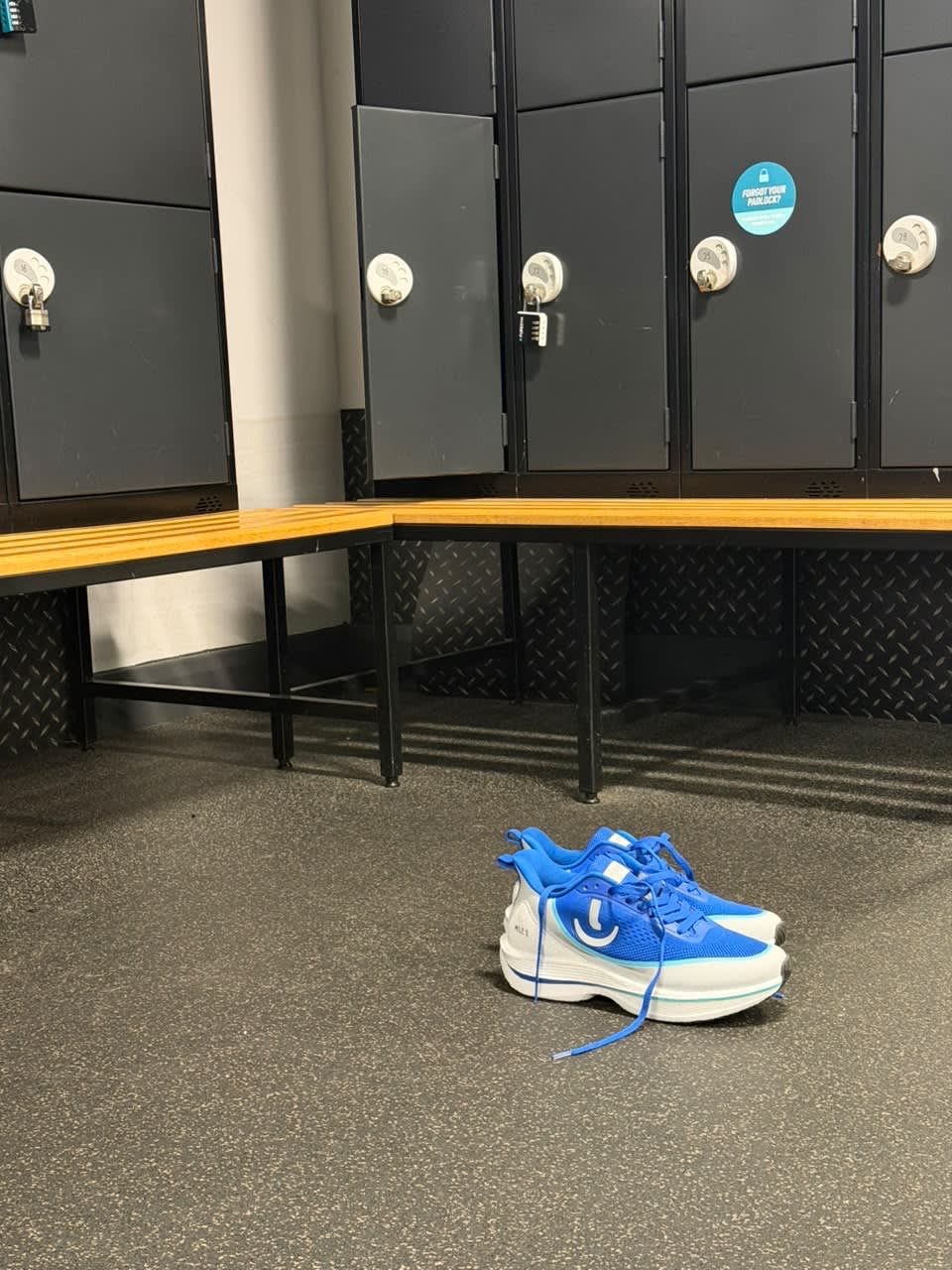
Habib: Every new shoe challenges me. Funny enough, shoes are the products I’ve enjoyed working on the most, though they’re also the most stressful, time- consuming and financially demanding.
Socks are straightforward. You design them, they manufacture them with cotton, and we’ve rarely had issues. Sneakers are different. Sometimes the sizes of the soles we want aren’t available, or the materials we want can’t be sourced.
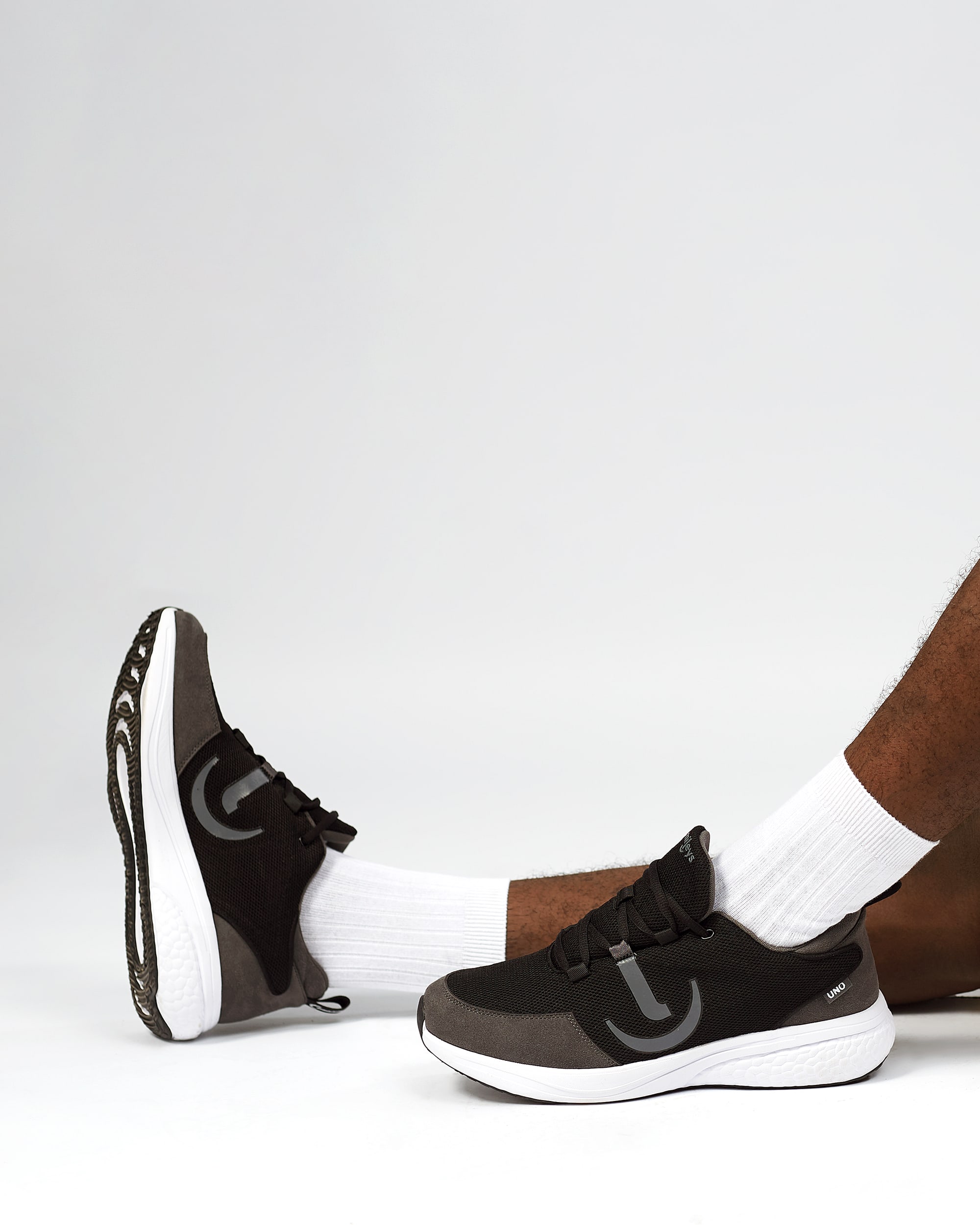
For example, the MILE 3 I’m currently working on is a running shoe. I wanted it to be knitted and elastic, so that when you wear it, you feel it wrapping around your foot as you run. They knitted the sample, but used polyester, so it wasn’t as stretchy as I wanted. We have to fix that.
As beautiful as the shoe is, that feeling needs to be part of the experience. We have to get it right before bulk production.
Every new project comes with its own hiccups. But I approach it by focusing on the current phase. I don’t think about the next phase until we’re done with the one we’re working on.
Q: What have your products taught you about what customers value?
Habib: With socks, I found out that people like bundles, gifting, options, affordability and speed. They want to order something now and get it now. I even think we provide one of the fastest e-commerce experiences in Nigeria. Depending on your location, you can order something and get it within an hour.
People also want options when buying. They like to gift and want the option of adding items, notes or other things. They care about packaging too. People want to feel special when they buy something and receive it.
All these things are important to the experience, and we’re happy to provide them. When people are happy, we’re happy.
Looking Ahead
Q: Beyond the products and customers, what have you learnt from building Smileys Africa?
Habib: I’ve learnt that it’s fun to do business and that you’re always learning. But it also teaches you tolerance, perseverance, communication and how to think.
It teaches you to suffer, and the suffering you face makes you wiser and smarter. I don’t want to glorify suffering, but it changes you as a person.
The beauty of it is that you create something that makes people happy. When you see something you’ve created or invested in making someone happy, that’s really cool. Not a lot of people can say that.
Personally, I’ve also learnt to create my own values around business. If I wanted to start another business and someone brought me an opportunity that didn’t align with those values, I wouldn’t agree to it.
A Word to Creatives
Q: What advice would you give to young creatives or entrepreneurs who want to build something of their own?
Habib: Just start doing shit. Whatever you want to do, just go and do it.
The only thing that gives me an ick is when I see cool creatives or designers create something, post it on Twitter or other social media platforms, and then start tagging Nike, Adidas, Rahman Jago and all these brands.
I’m like, if you can design something this cool, why not produce it for yourself? Design something for yourself and put it out. You genuinely don’t need an existing big brand, but if that’s what you want, fine. If you have an idea, execute it. Work on it. The more you work on it, the more you learn and the better you become.
Yes, it will cost money and time, but if it’s something close to your heart, you won’t dwell on the problems. The problem itself is part of the experience. Trying to work around it is part of the coolest bit of the experience.
Whatever you need to do, don’t wait. Just start doing it and figuring out how to do it.
That’s where the fun is. That’s where the experience is. That’s where even the money is. That’s where the value comes from.
Whatever it is you’re looking for, it’s in the doing.