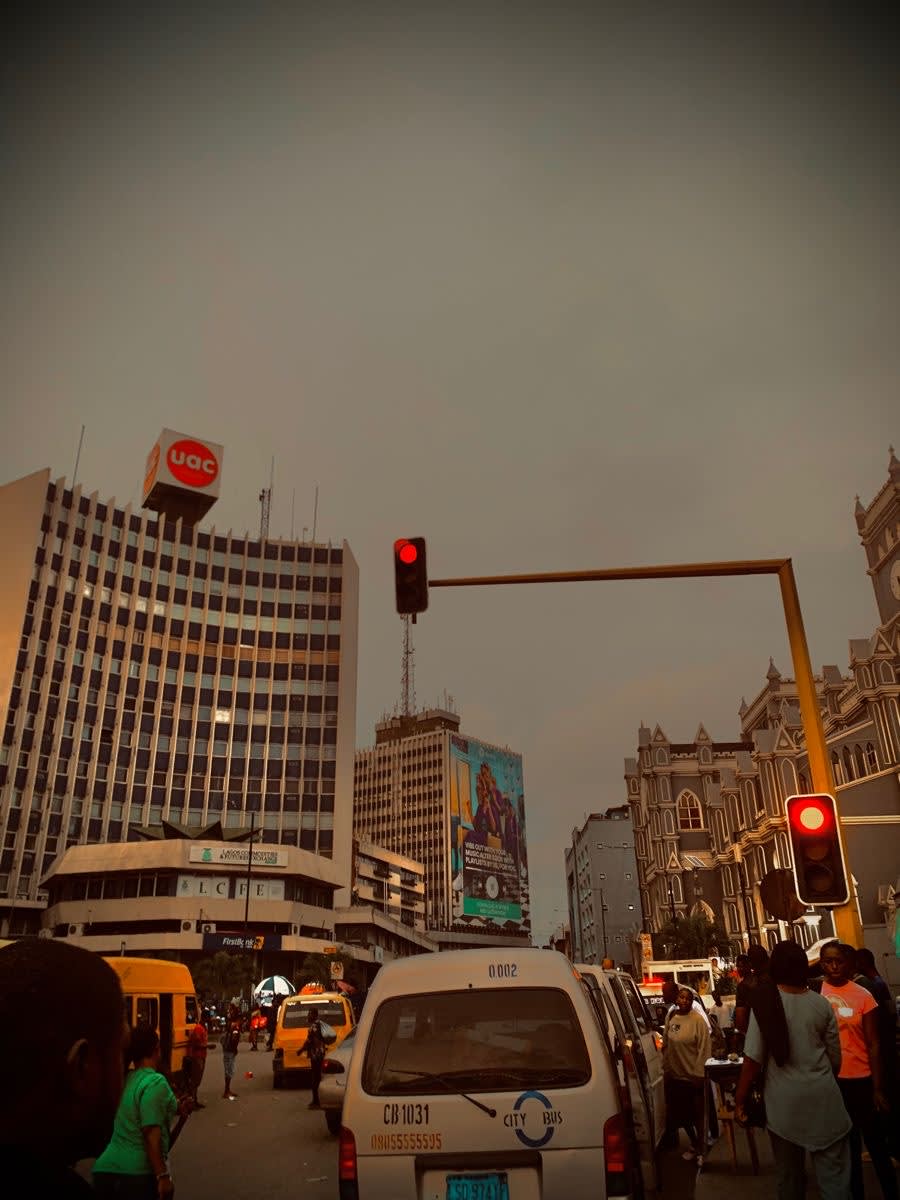
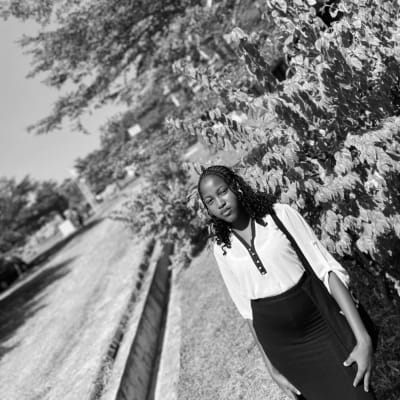

Nigerian creator soft life aesthetic lifestyle content
Scroll through Instagram or TikTok for just five minutes, and it starts to feel like everyone is living the same life.
Neutral-toned apartments. Clean girl aesthetics. Luxury brunches. Solo dates. Soft lighting. Softer lives.
It’s effortless. It’s beautiful. It’s aspirational.
And for many Nigerian creators, it’s exhausting.
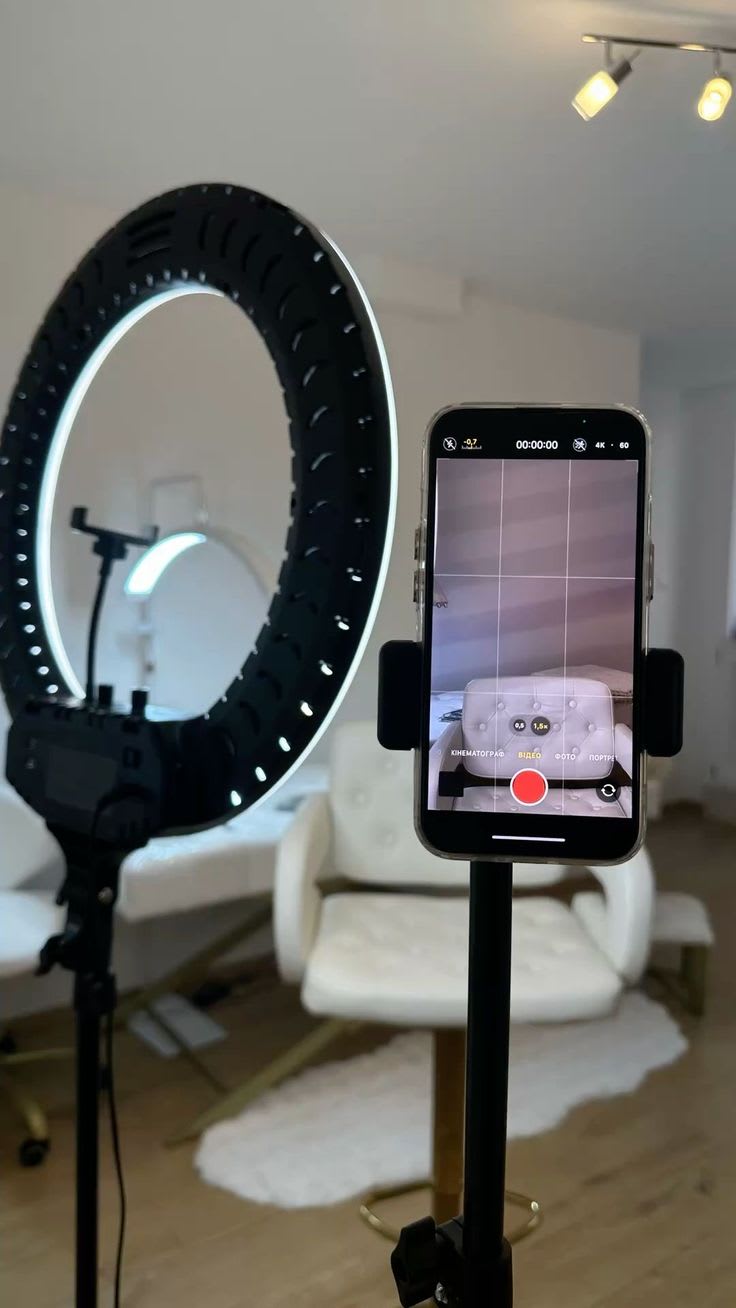
Over the past few years, aesthetic culture in Nigeria has evolved from a niche creative style into a full-blown standard.
What used to be a distinct visual identity something that set certain creators apart is now the baseline expectation. Whether you’re a photographer, fashion influencer, lifestyle creator, or even a small business owner, how your content looks can determine how seriously you’re taken.
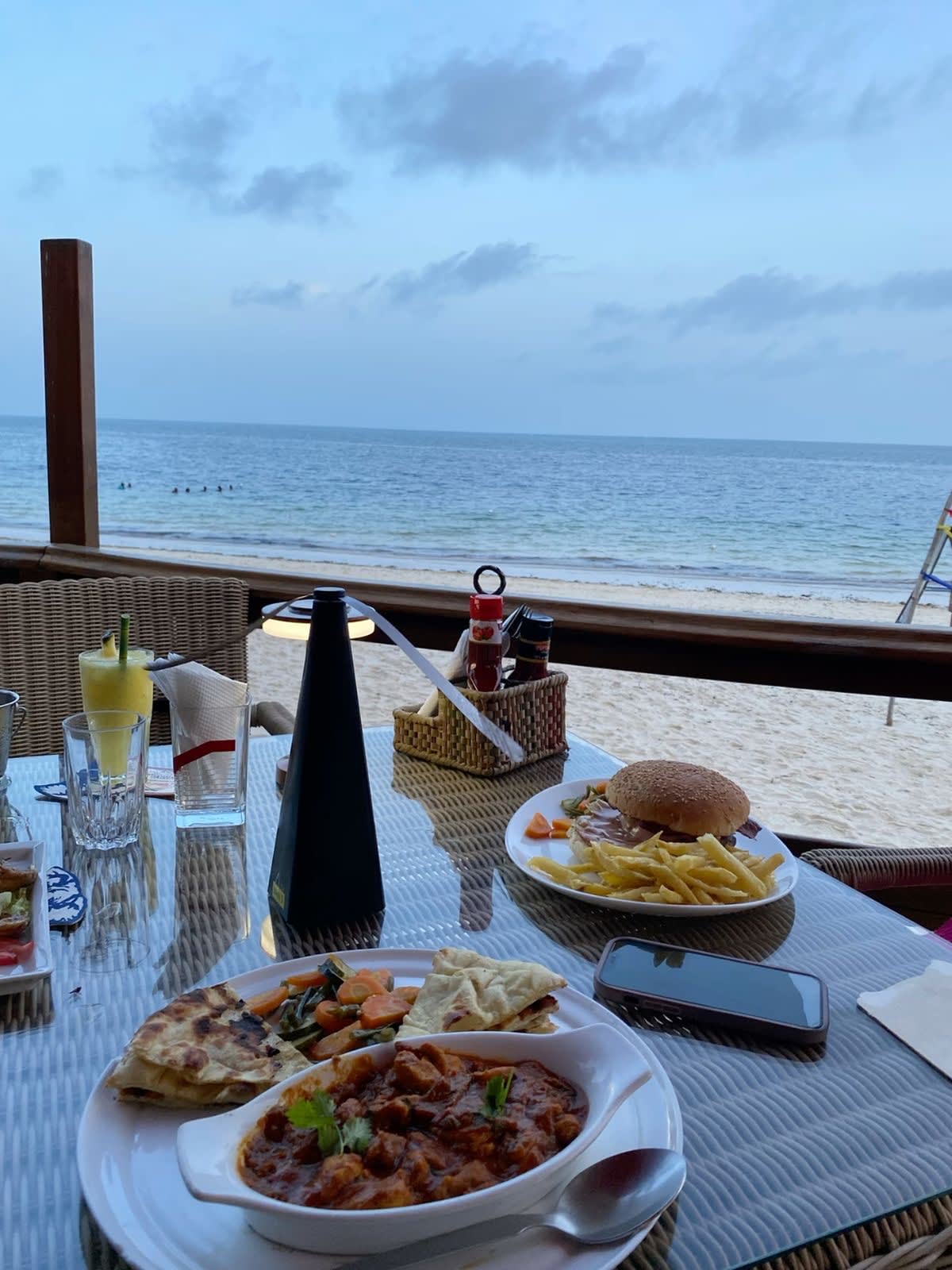
Your feed is no longer just content. It is your portfolio. Your brand. Your first impression.
And increasingly, your success depends on how well you can curate it.
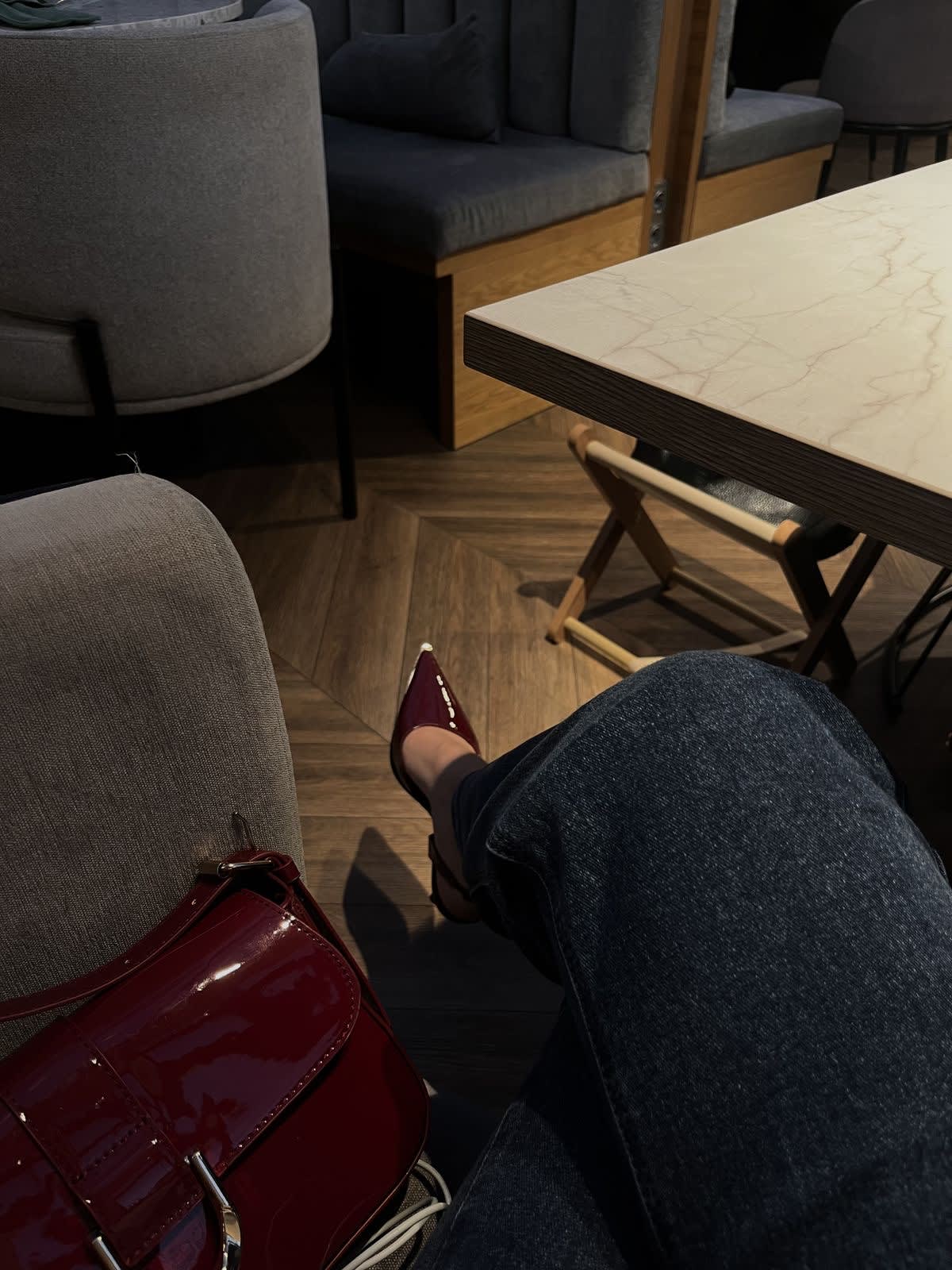
From Lagos to Abuja, a silent rule has emerged; if it doesn’t look good, it doesn’t move.
For many creators, especially those just starting out, keeping up with this standard is not as effortless as it appears on screen.
A Lagos-based lifestyle creator might spend hours planning a “casual” post sourcing outfits, finding the right location, waiting for the perfect natural light, editing endlessly to achieve that clean, polished finish.
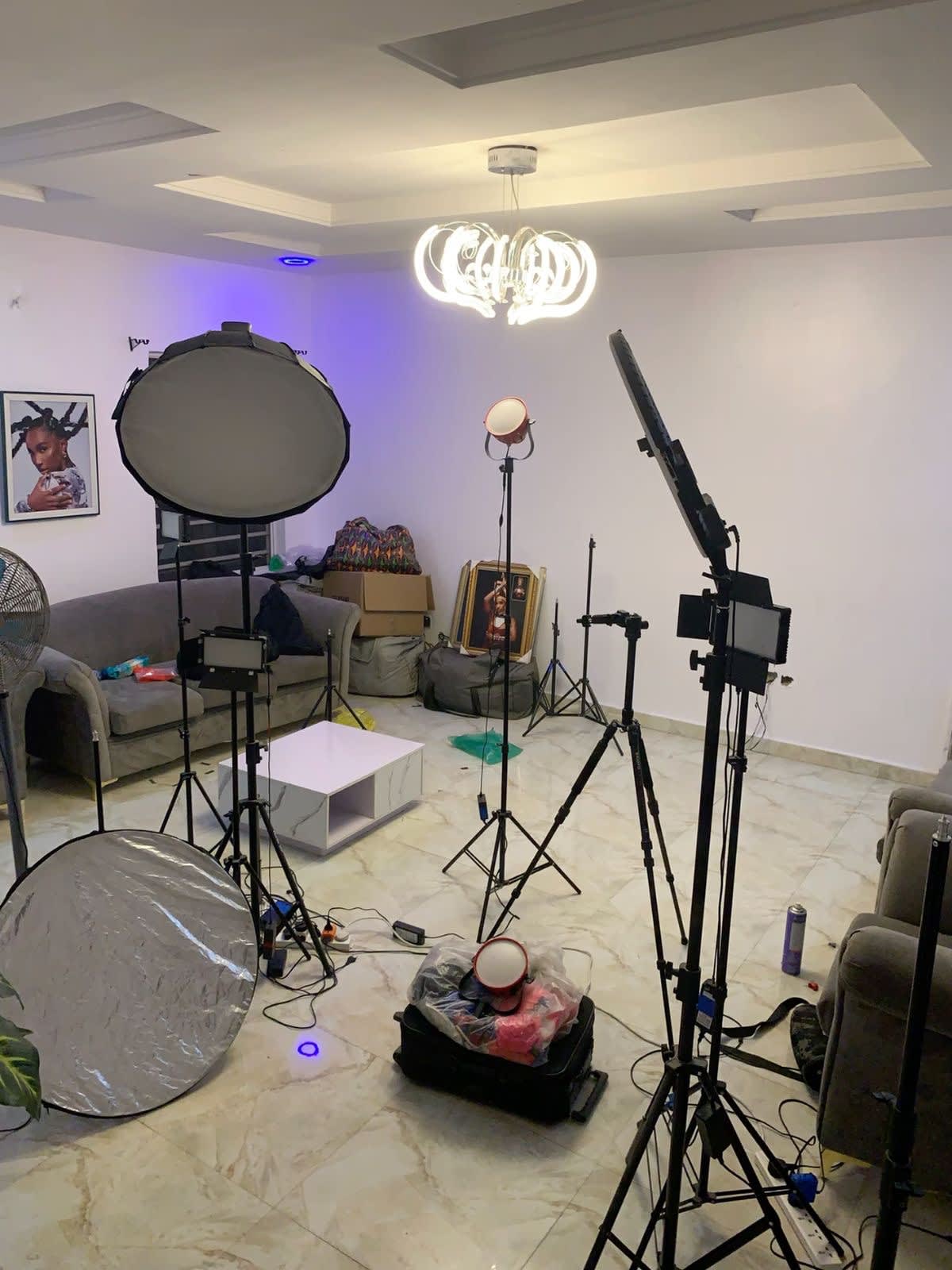
A photographer may feel pressured to upgrade gear constantly, not necessarily because their current tools are inadequate, but because the industry’s visual bar keeps rising.
Even small business owners now feel the need to invest heavily in branding, packaging, and content creation because aesthetics influence trust, and trust influences sales.
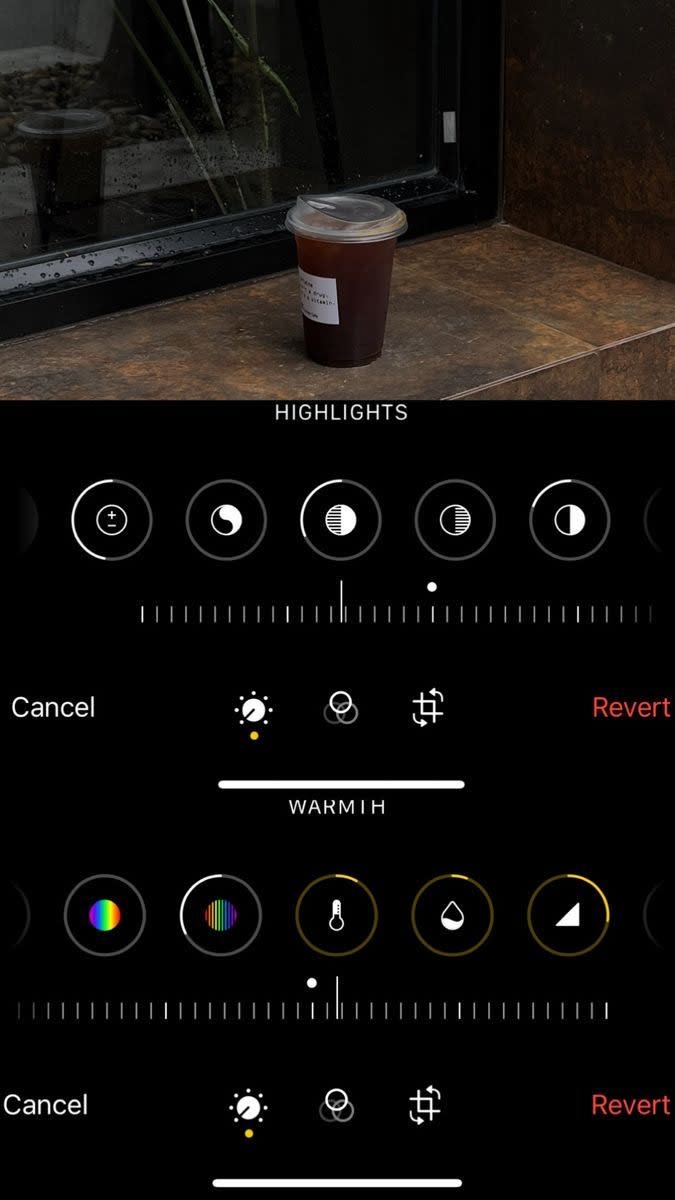
Behind every “effortless” post is often a carefully constructed process that demands time, energy, and money.
And yet, the final result must look like none of that effort exists.
This is where the tension lies.
Aesthetic culture rewards perfection but maintaining that perfection comes at a cost.
Creators are expected to:
- Always show up polished
- Maintain consistency
- Stay visually relevant
- Keep up with evolving trends
All while navigating real-life responsibilities, financial limitations, and creative burnout.
The pressure is subtle but constant.
It shows up in comparison when your work feels “not enough” next to someone else’s highlight reel.
It shows up in overthinking when posting becomes more stressful than creating.
It shows up in silence when creators struggle but feel unable to admit it because vulnerability doesn’t always “fit” the aesthetic.
What started as a form of expression slowly becomes a performance.
And the line between authenticity and presentation begins to blur.
At its core, this shift reveals something deeper about Nigeria’s evolving creative industry.
We are in a moment where visibility is currency.
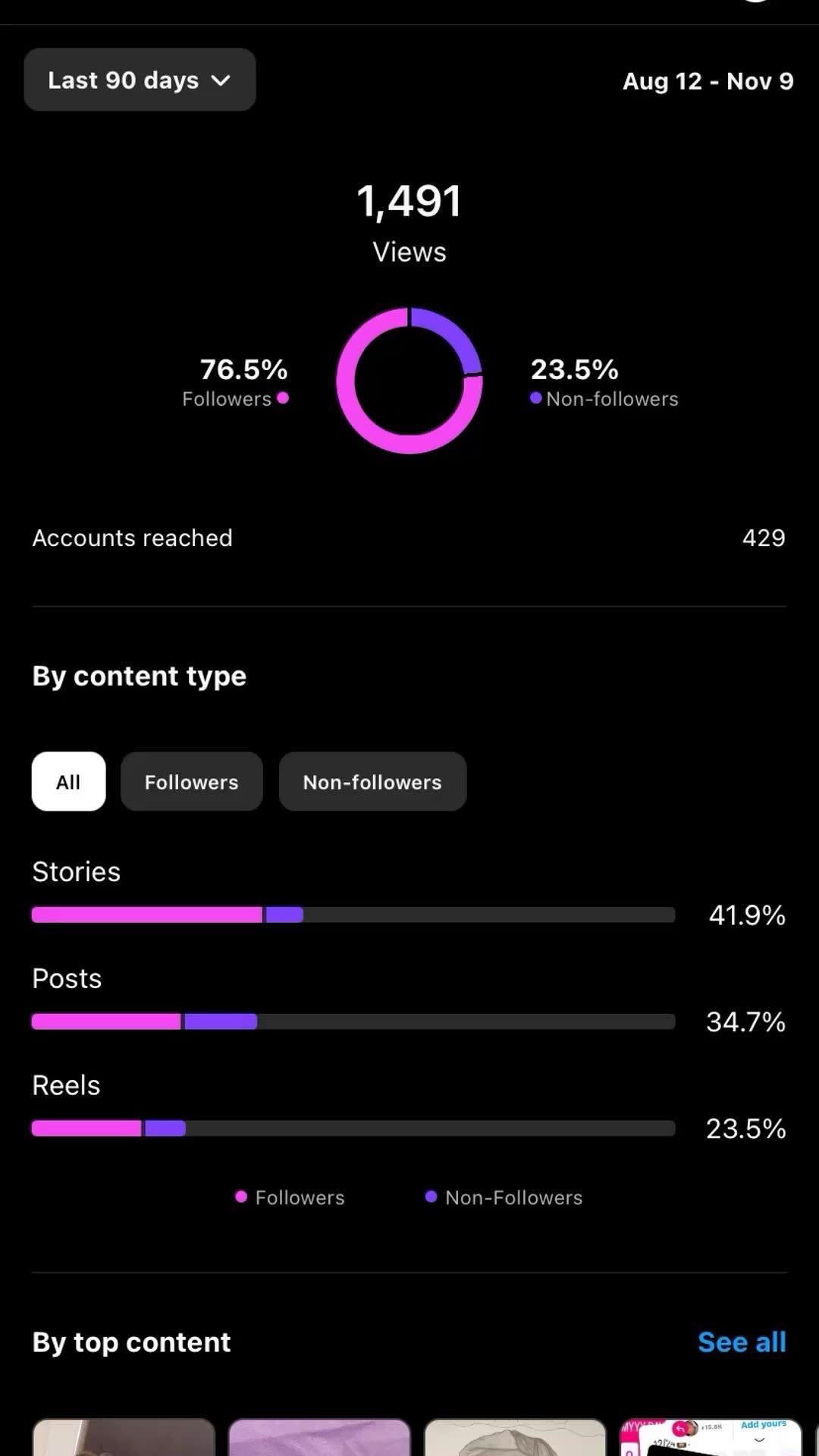
Aesthetics have become a tool not just for expression, but for positioning. The more visually compelling your content is, the more likely you are to attract attention, build an audience, and secure opportunities.
In many ways, this has pushed Nigerian creatives to new heights. The quality of content has improved. The global perception of African creativity has expanded. Nigerian creators are no longer just participating they are setting trends.
But there is a trade-off.
When aesthetics become the primary measure of value, creativity risks becoming secondary.
The focus shifts from what is being said to how it looks.
From why it matters to how it performs.
And in that shift, something important can get lost.
Interestingly, a quiet shift is beginning to take place.
Some creators are starting to push back against the pressure of perfection. They are sharing behind-the-scenes moments, posting less curated content, and opening up about the realities of building a creative career.
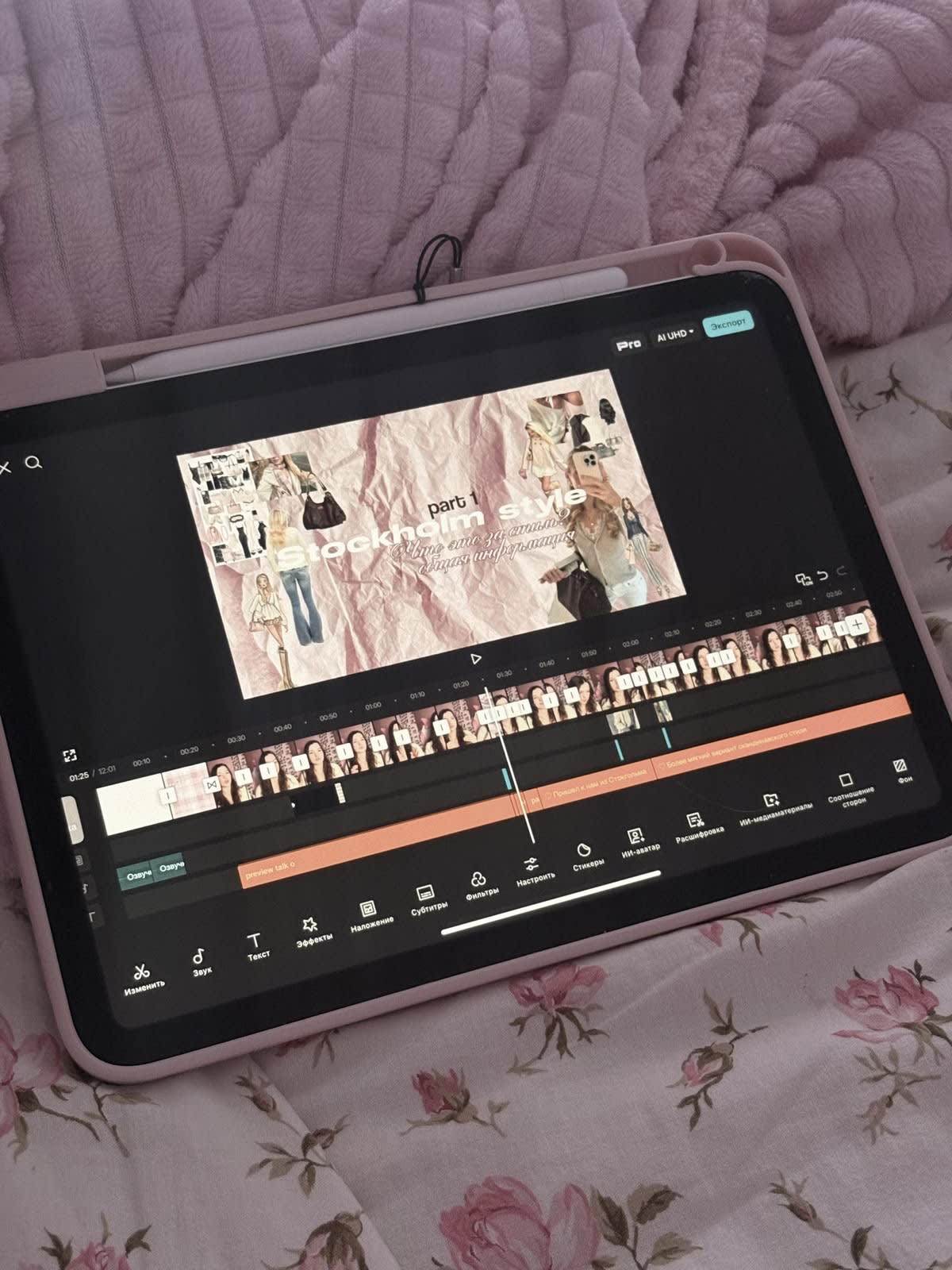
There is a growing appetite for honesty for content that feels real, not just refined.
Audiences are beginning to connect more deeply with creators who show both the process and the product. The wins and the struggles. The polished and the unfiltered.
Because in a digital space saturated with perfection, authenticity becomes its own form of standout.
This doesn’t mean aesthetics are disappearing far from it.
It simply means the definition of value may be expanding.
Nigeria’s creative industry is at an interesting crossroads.
On one hand, aesthetic culture has elevated standards and positioned Nigerian creators on a global stage. It has created opportunities, visibility, and a new creative economy built on attention and influence.
On the other hand, it has introduced a level of pressure that is still largely unspoken.
The challenge now is not whether aesthetics should exist but how creators can engage with it without losing themselves in the process.
Because creativity, at its best, is not just about what is seen.
It is about what is felt.
Soft life was never meant to feel like hard work.
But for many Nigerian creators, maintaining the image of ease has become anything but easy.
Maybe the next evolution of aesthetic culture is not about doing more, or looking better.
Maybe it’s about creating space for honesty where beauty and reality can exist in the same frame.
Because the most powerful stories are not always the most perfect ones.
They are the ones that feel true.