

His story didn’t even start with some deep passion. Around 2015, fresh off NYSC and jobless like most of us at some point, he was just trying to figure out life. So he did what any bold, slightly unserious 20-something does when they have free time and zero direction, he packed his bags for Italy to learn shoemaking. No five-year plan, no vision board, just a decision he committed to.
That decision became Yikodeen.
Fast forward to today, Yikodeen isn’t just “one of those small companies trying”, they’re supplying safety boots to oil and gas companies, construction sites, and manufacturers who genuinely cannot afford to gamble on shoes falling apart mid-shift.
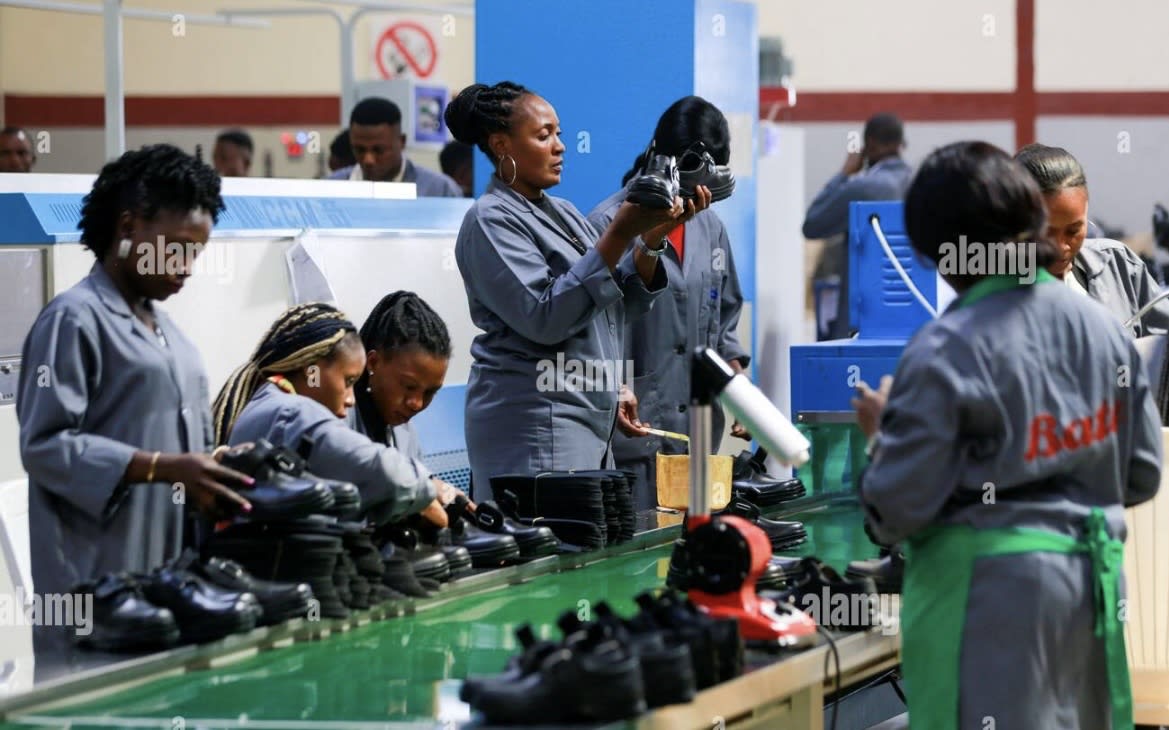
Yikodeen Shoe Factory
They also make combat boots, officers’ shoes, school shoes, formal wear, and a new athletic line called Yiko Plus. In June 2026, the company clocked 10 solid years in business. This was from a man who wasn’t even chasing his “passion” when it all started.
The Computer Science Graduate Who Chose Leather Over Laptops
Olayinka studied Computer Science at Babcock University. But somewhere along the line, he realised his real fight wasn’t with code, it was with the deep-rooted belief that anything locally made, especially shoes, has to be inferior.
You know the saying: “Na Aba-made, e go spoil before one month.”
So after his training in Italy, the obvious, expected move would’ve been to come back, open a fancy studio, and let his fresh European polish speak for itself. Instead, he took a manual labour job at a random shoe factory in Lagos. His family genuinely thought their son had lost it.
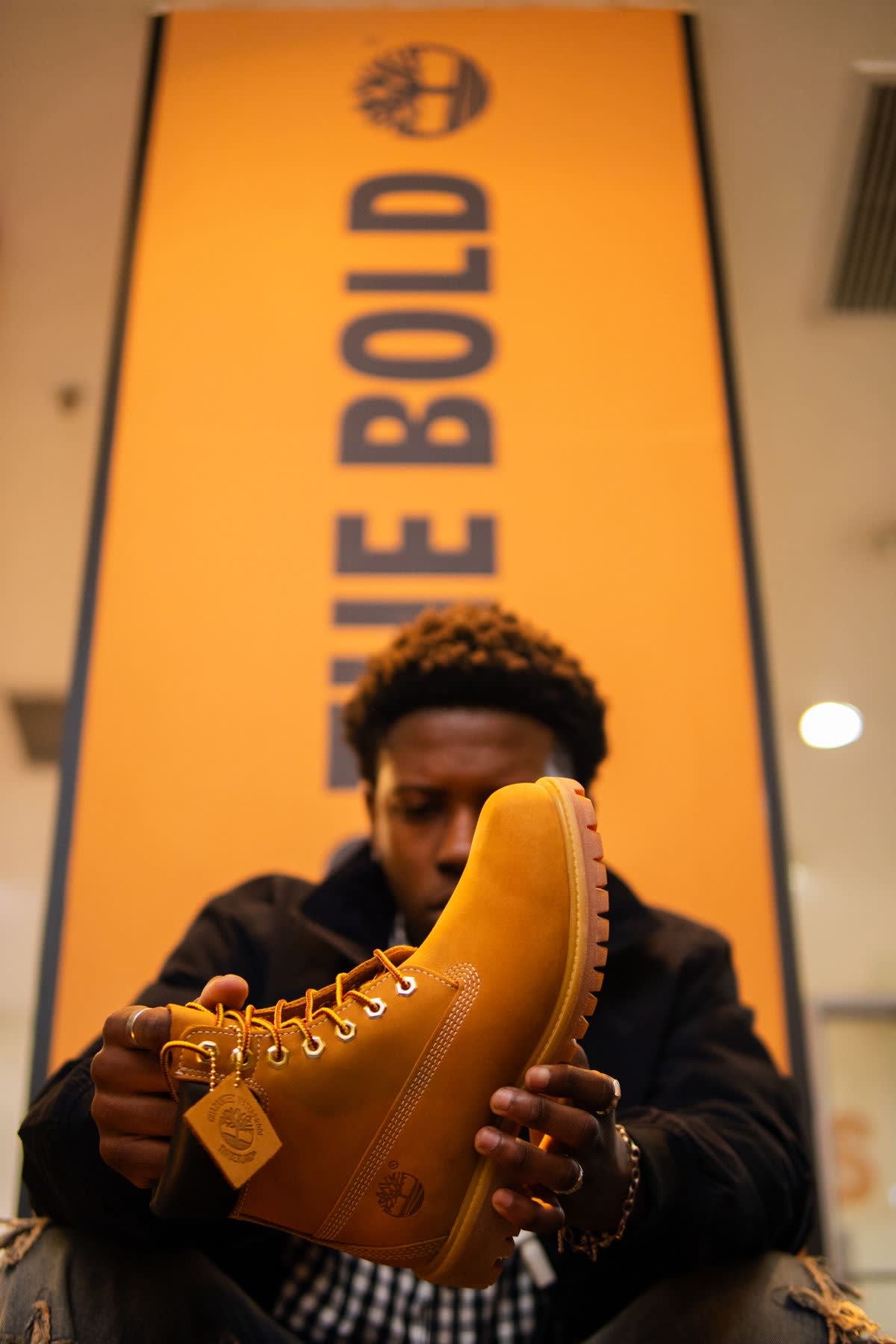
young man with the dream
But he wasn’t doing it for the money. He’d noticed something most people who train abroad completely miss: you cannot just parachute foreign skills onto Nigerian soil and expect them to magically work. He needed to get his hands dirty and actually feel the terrain before he built anything meant to survive it. So instead of starting at the top, he chose to start from the factory floor, learning what actually held up under Nigerian conditions, and what didn’t.
The Order That Changed Everything
That one decision explains everything that came after. When Yikodeen landed its first big break, a 10,000-shoe order from the Nigerian police, the company was only making a few hundred pairs a month. There was no budget for new machines, and the order wasn’t going to wait for anybody.
So Olayinka went hunting for old, abandoned shoe factories that had shut down years earlier. He tracked down the original owners, or their children, and bought their rusty, forgotten machines for cheap. Then he fixed them up himself and used them to deliver the entire order.
It wasn’t glamorous, and it definitely wasn’t in any business textbook, but it worked. That contract opened the door to other clients, including the Nigerian military, and Yikodeen never looked back.
The Real Gist
Skills picked up abroad don’t just transfer automatically, they need to be tested and reshaped by whatever mess is actually in front of you.
Olayinka didn’t treat his Italian training like a finished, ready-made product. He treated it like raw material that still needed proving on Nigerian ground, and he was willing to do the unglamorous, decidedly factory-floor work to prove it.
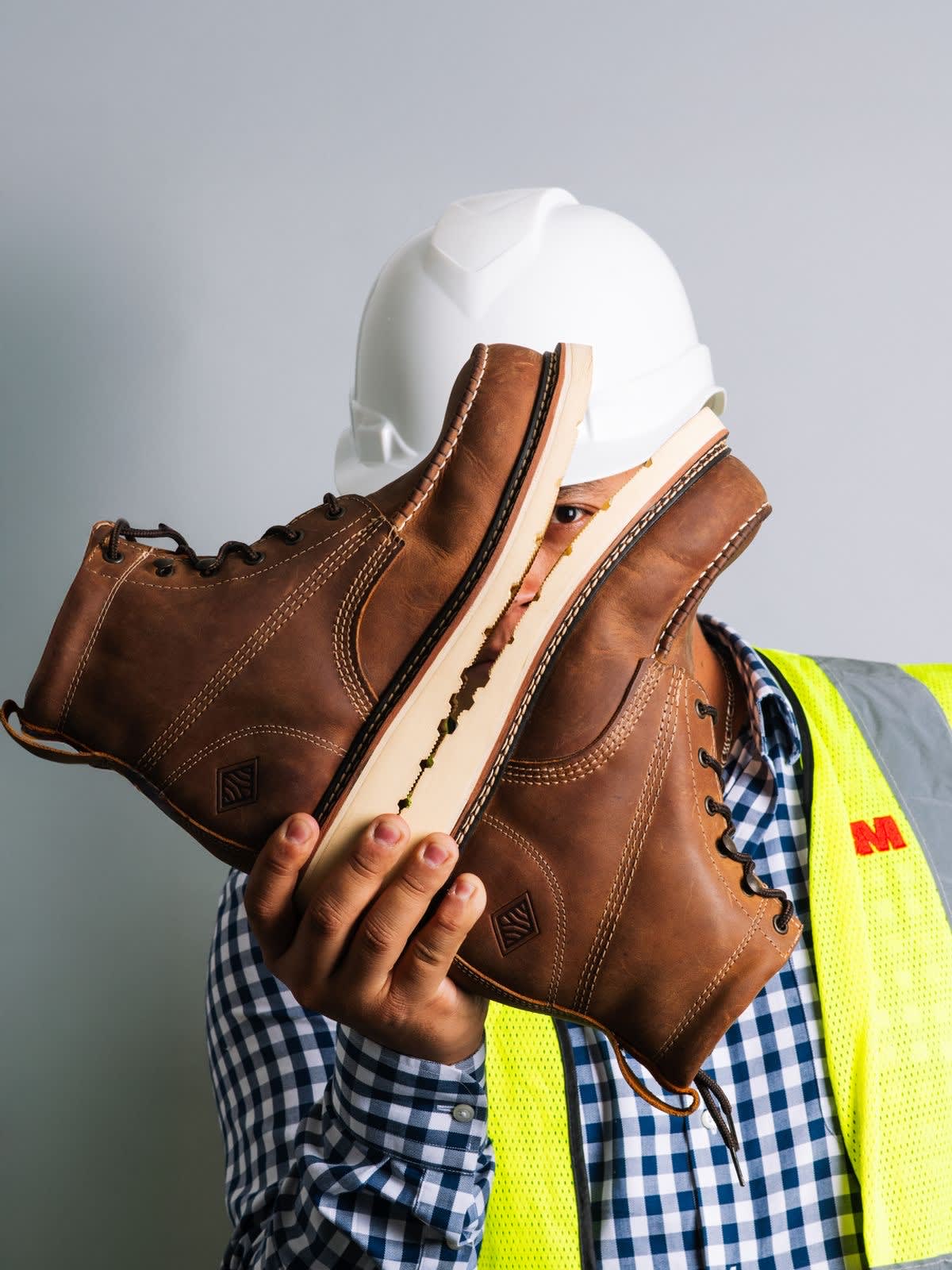
An engineer with the boots
Ten years, one factory floor, and a 250-fold increase in production later, Yikodeen now runs West Africa’s largest safety footwear plant. Not because Olayinka had all the answers from the start, but because he was willing to start where nobody else wanted to.
So if you’re a creative in Nigeria reading this and things feel slow: have you actually put in the practical, hands-dirty work your craft demands? Have you walked the rough road, or only the smooth, Instagram-friendly one? Or are you still sitting there, waiting for the “perfect” setup before you even start?