

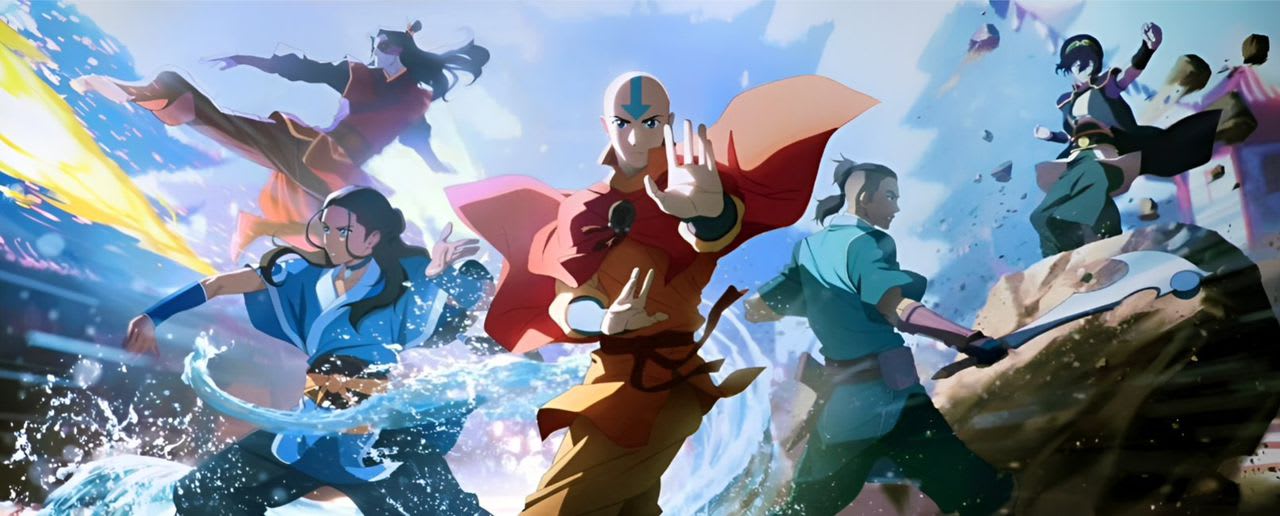
For the past two days, leaked footage of the highly anticipated Legend of Aang movie has been circulating. It began as a few minutes of footage here and there across the timeline. I'm not sharing links to it for obvious reasons. Immediately, I came across the clips and verified they were legit. After all, it's 2026, and anyone could do anything deceiving with the right AI tools. Turns out it was legit, it is legit, that is actually the real movie, a full 70 minutes of the film expected to be out October 9th, 2026, a project that took 6 years to work on, leaked in a matter of hours.
As a hardcore fan of the Avatar universe, and as someone who grew up on ATLA, of course, I am excited to experience my favourite benders and world-saving gang again in any format possible. However, as an adult, as a creative and writer myself, I do understand the frustration of working so hard on a project, only for its rollout and consumption to be devastatingly sabotaged.
When a film leaks pre-release, here is what it really means. Get your pen & notes.
1. It’s a Direct Revenue Hit (and Not Just Box Office)
A pre-release leak can undermine:
Opening weekend box office (which drives perception of success)
Streaming deals and licensing value
International distribution rollouts
Even if not everyone watches the leak, it dilutes demand, especially among casual viewers who might have paid.
2. It Signals a Security Breach Somewhere in the Chain
Leaks don’t magically happen; they usually come from:
Post-production vendors
Screeners sent to press or awards voters
Internal studio or distribution pipelines
Theatrical projection systems (rare but possible)
For studios, this triggers audits, legal action, and sometimes contract terminations.
3. Monetised Social Media Sharing = Commercial Copyright Infringement
This is where it becomes more aggressive legally:
People posting leaked clips or full films on monetised accounts (YouTube, TikTok, Facebook, etc.) are:
Profiting from stolen intellectual property
Potentially liable for statutory damages (which can be very high per infringement in jurisdictions like the U.S.)
Violating platform policies, which can lead to bans or demonetization
From a legal standpoint, this is unauthorised commercial exploitation.
4. Platforms Become Part of the Battlefield
Studios immediately activate:
Automated takedown systems (Content ID, DMCA notices)
Legal teams issuing mass claims
Partnerships with platforms to suppress the spread
But there’s a catch: Virality often outpaces enforcement, especially on short-form video platforms.
5. It Can Distort Public Perception of the Film
Leaked versions are often:
Low quality (unfinished VFX, poor audio)
Missing scenes or edits
That means audiences may judge the film based on a non-final product, which can damage reviews and word-of-mouth before release.
6. There’s a PR and Strategy Decision to Make
Studios typically choose between:
Aggressive suppression (legal + takedowns)
Damage control marketing (“See it properly in theatres” messaging)
Rarely, accelerating release dates
7. It Reveals a Shift in Piracy Economics
The key modern twist is monetisation:
In the past, piracy was mostly free sharing
Now: people build entire revenue streams off stolen content (ads, followers, sponsorships)
That turns piracy into a business model, which studios treat much more seriously.
A pre-release leak spreading through monetised social media is
Piracy
A security failure
A financial threat
A legal escalation (commercial infringement)
Knowing this, consuming pirated content really is cruel. And we must do better if we want to have a thriving creator economy. We all have a role to play. Studios need to tighten up the security of projects in development. As real lovers of IPs and franchises, let’s choose to consume stories the right way, on authorised platforms. As much as I love ATLA, I will not be watching the leaked Avatar Legend of Aang film on X.