

Orin ni ìran wa, itan ni ìgbà wa” (Music is our lineage; stories are our time.)
For generations, African music has carried more than rhythm; it has carried memory, identity, and language. Today, a new wave of artists is returning to those roots, choosing to sing not just for global charts but for cultural continuity.
In African music, language has been for communication and an instrument in its own right. Long before Afrobeats dominated global playlists, Highlife was the heartbeat of West African music Born in Ghana and embraced across Nigeria, the genre blended traditional rhythms with jazz horns, guitars, and rich storytelling. For decades, Highlife has carried the social and cultural narratives of the people; weddings, celebrations, heartbreak, and everyday life are woven into its melodies. Though its popularity once waned with the rise of newer genres, a new generation of musicians is breathing fresh life into its timeless sound.
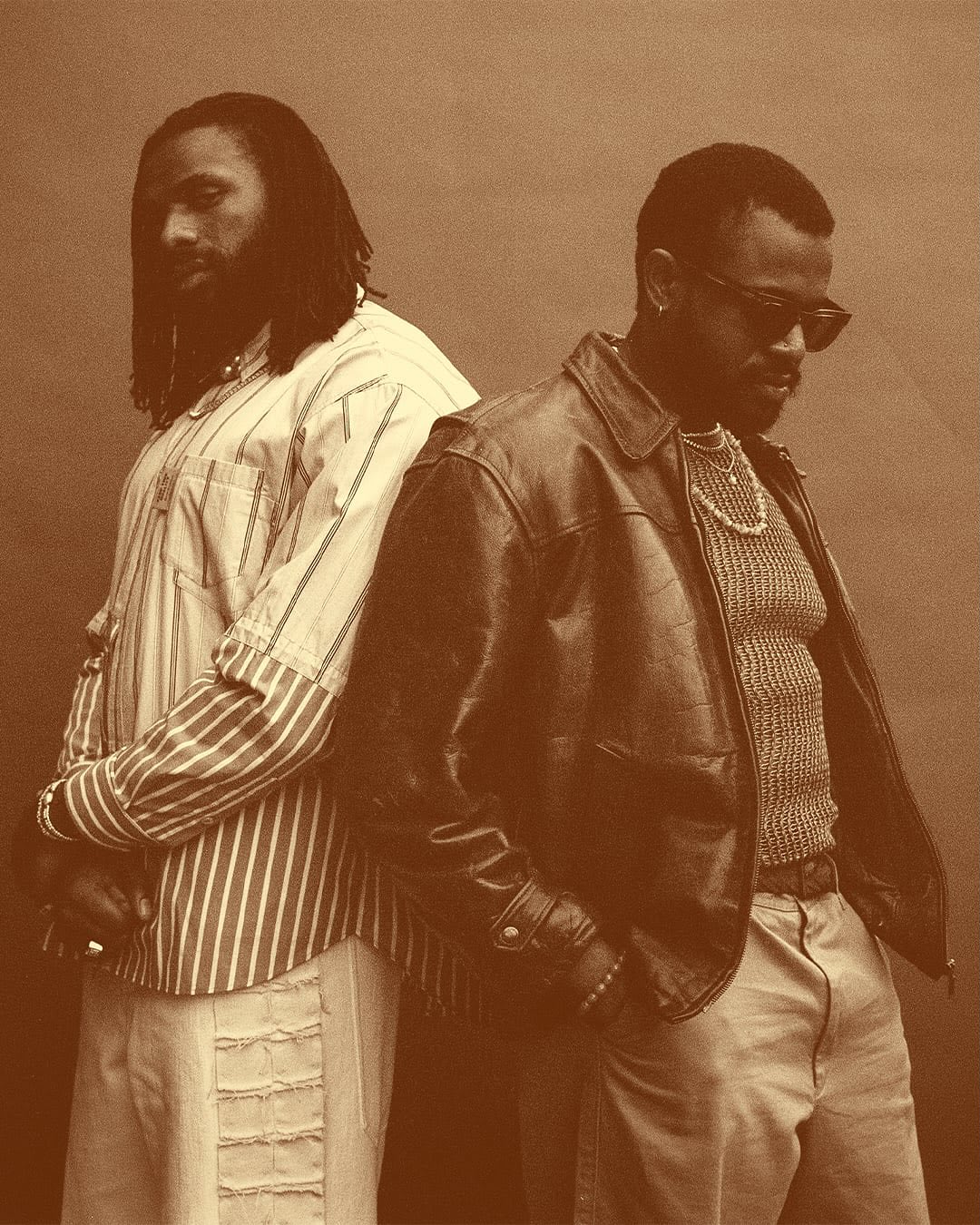
At the forefront of this revival is The Cavemen, a duo that has reintroduced Highlife to younger audiences while preserving its traditional essence. Through warm guitar riffs, rich harmonies, and lyrics steeped in Igbo culture,
their music feels both nostalgic and contemporary. Their work reflects a conscious effort to reconnect modern listeners with a genre that once defined an era of African music.

Musicians like Asake have brought Yoruba lyricism into contemporary Afrobeats, blending street poetry, chants, and cultural references into songs that resonate widely with younger audiences. His music shows how indigenous language can thrive even within modern production styles.
Similarly, Adekunle Gold often weave Yoruba expressions and cultural themes into their work, creating music that feels both contemporary and deeply rooted in heritage. By doing this, they demonstrate that language is not a barrier to global appeal but rather a distinctive element that gives African music its authenticity.
In an industry often shaped by international trends and commercial expectations, artists face the pressure to create music that appeals to global audiences. Yet, many musicians are proving that the very thing that makes their music resonate worldwide is not how closely it mirrors Western sounds, but how deeply it reflects their own cultural identity.
Language, in this sense, becomes more than a creative choice; it becomes a statement of authenticity. Rather than diluting their heritage, artists are embracing it, showing that authenticity can be a powerful form of artistic expression. By doing so, they remind the world that African music is not only evolving, it is evolving while staying connected to the languages, traditions, and stories that shaped it.
It is a reaffirmation of identity. Artists are proving that the future of African music does not lie in abandoning its heritage, but in carrying it forward with pride. Through the revival of Highlife by The Cavemen, the heartfelt storytelling of Chike, and the vibrant Yoruba-infused sound of Asake, a new generation is reminding the world that authenticity resonates far beyond language barriers. As African artists continue to embrace their mother tongues and ancestral sounds, they are not only shaping the future of global music but also ensuring that the voices of their heritage will continue to be heard for generations
to come.