

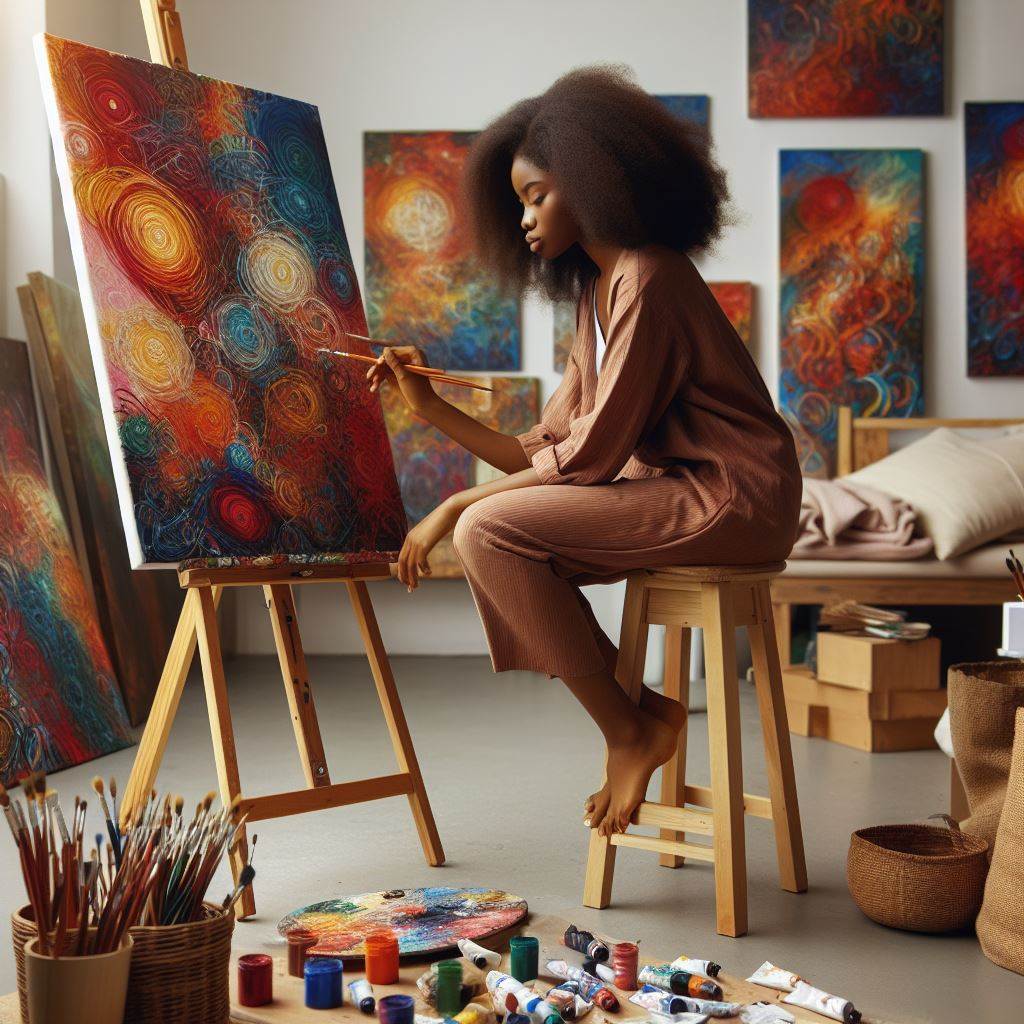
What creativity looks like before it becomes a “global brand” — handmade, personal, and carried by one creator at a time.
What is the barrier to success for African Creatives
From fashion designers working out of small rooms in Lagos, to photographers in Nairobi building entire visual worlds from scratch, to ceramic and craft artists in Accra making products that deserve global attention, the creativity is already here in Africa. So what is?

An example of Africa’s growing independent creative economy built outside traditional production systems.
Poor or No System
A Fashion designer in Lagos can create something world-class, but still be stuck figuring out fabric sourcing, garment production, or scaling orders every single time. A visual artist in Nairobi can have an audience online, but still depend on inconsistent commissions. A handmade creator in Accra can be selling amazing work, but only to people within reach. And so, what you start to see is this pattern; The work is strong, but the structure holding it up is weak or missing.
What most people see is the finished thing. The outfit. The artwork. The product. The final post on social media. What they don’t see is everything behind it.
The realities of creative work often extend far beyond the finished product. A creator on the marketplace, reflecting on a piece titled The Preacher, describes the work as more than the figure of a rooster. It becomes a meditation on memory, awakening, responsibility, hope, and the thoughts that follow us from night into a new day. Through the piece, the artist invites viewers to confront what calls them each morning, whether it is duty, fear, expectation, or possibility. It is a reminder that behind every creative work is not just skill, but time, thought, and personal reflection forms of labor that are often overlooked in conversations about creative success.
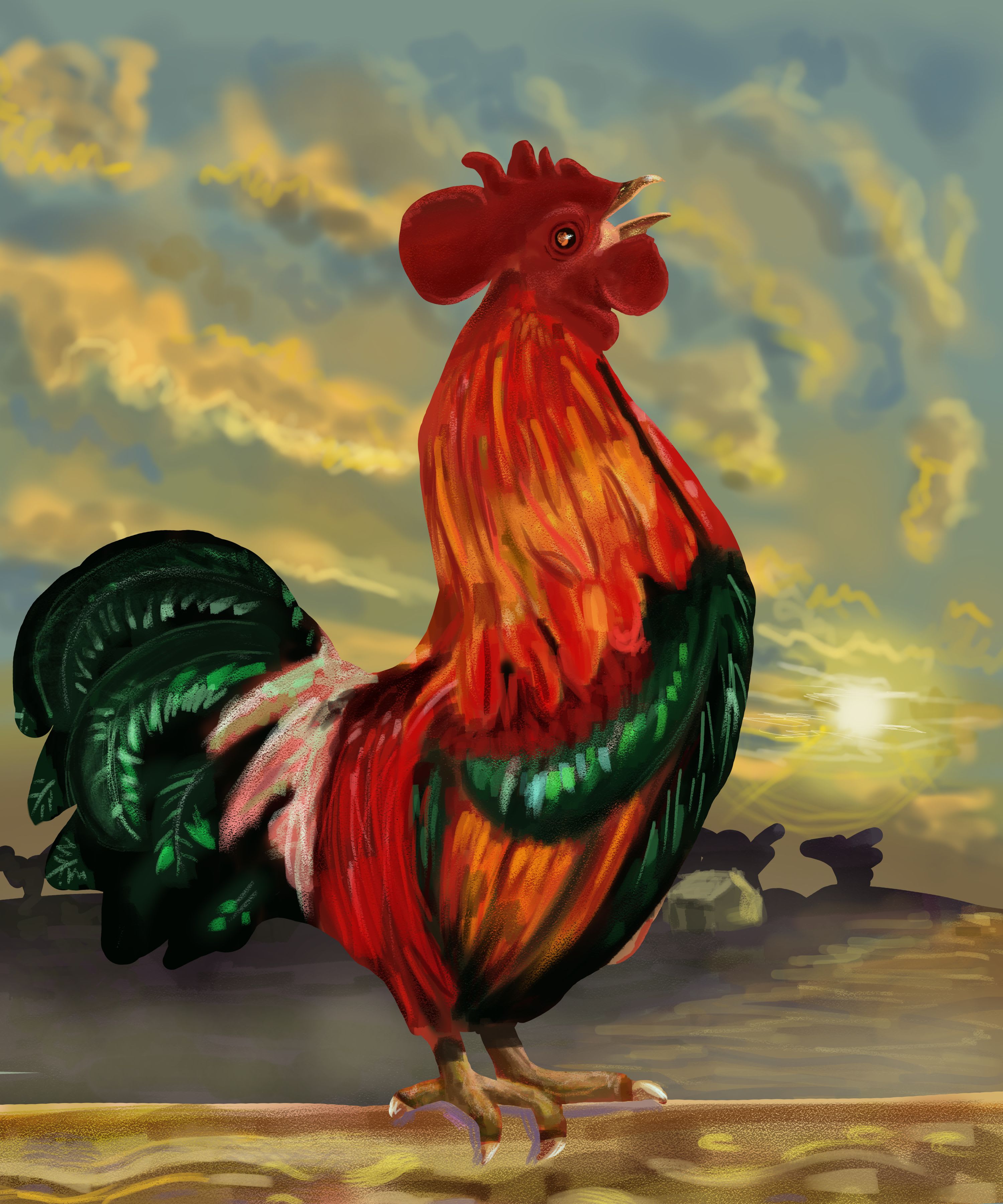
A product shaped through hours of quiet labour, small systems, and independent creative work.
In a lot of cases, the African creative is not just the creative. They are also the brand, the operations team, the logistics department, and customer support. All at once. And it's not sustainable.
Social media changed everything, but it also created a kind of illusion. It feels like visibility should automatically lead to success, but anyone who has actually lived in this space knows it doesn’t work like that.
A post can blow up, a product can circulate or even more someone can discover your work from another country and genuinely love it. And then what?
If there’s no system behind that moment, no structure to receive demand, fulfil it, and repeat it, it fades. So you end up with this cycle a lot of creatives know too well;
Attention comes in, Things get overwhelming, Delivery struggles begin, Things slow down, You rebuild again.
It’s not because the work isn’t good enough, It’s because the system isn’t strong enough to hold it.
My Observation
One thing I’ve noticed is that demand is rarely the problem. People want the work, they just can’t always get it properly.
A fashion brand in Lagos might have people outside Nigeria asking to buy, but then shipping, production, or consistency becomes the issue.
A number of Lagos-based streetwear brands that first gained attention through Instagram have experienced similar pressure points as demand expanded beyond their immediate networks. As orders increased, many found themselves constrained by small-batch production, limited manufacturing capacity, and logistics challenges that made fulfillment difficult to sustain. In some cases, growth had to be slowed intentionally in order to stabilize production systems and regain operational control.
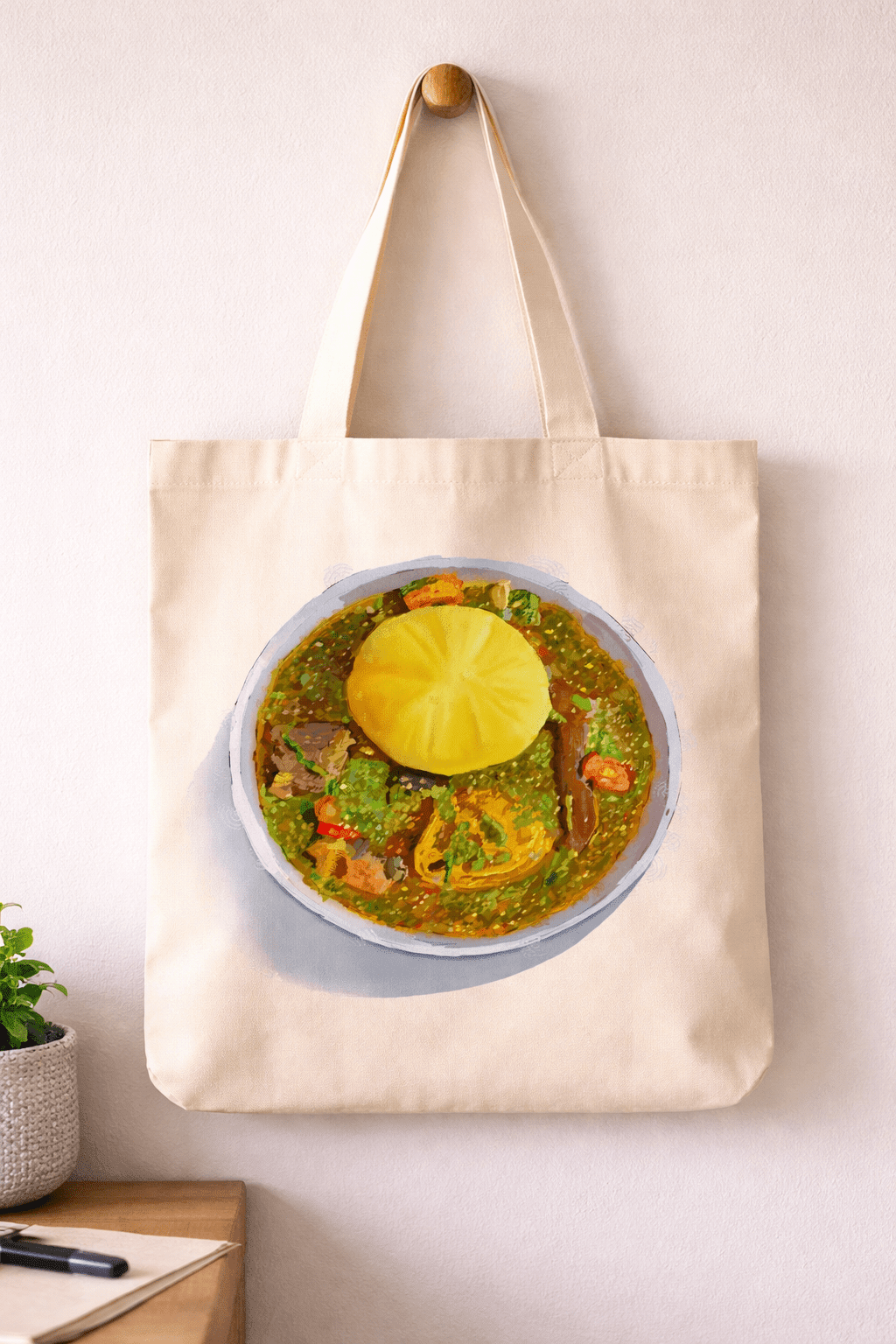
A handmade piece by an independent African creator, where design and production exist within the same hands.
Everyone Is Building Alone
Most creatives are not operating inside systems. They’re piecing things together; Instagram for visibility, whatsapp for orders, a delivery guy they trust for logistics, personal savings for production, and memory for everything else. And what? It works until it doesn’t.
You Start to Realize
It’s a Systems Problem
After a while, it becomes clear that the difference between a local creative and a global brand is not always talent. It’s whether there’s something around the creative that allows repetition.
Can this work be consistently made?
Can people reliably access it?
Can it move from one place to another without stress every time?
Can the creative focus more on creating than constantly managing survival logistics?
Where those answers are yes, things grow.
Where they are no, even really strong work stays stuck in the same place.
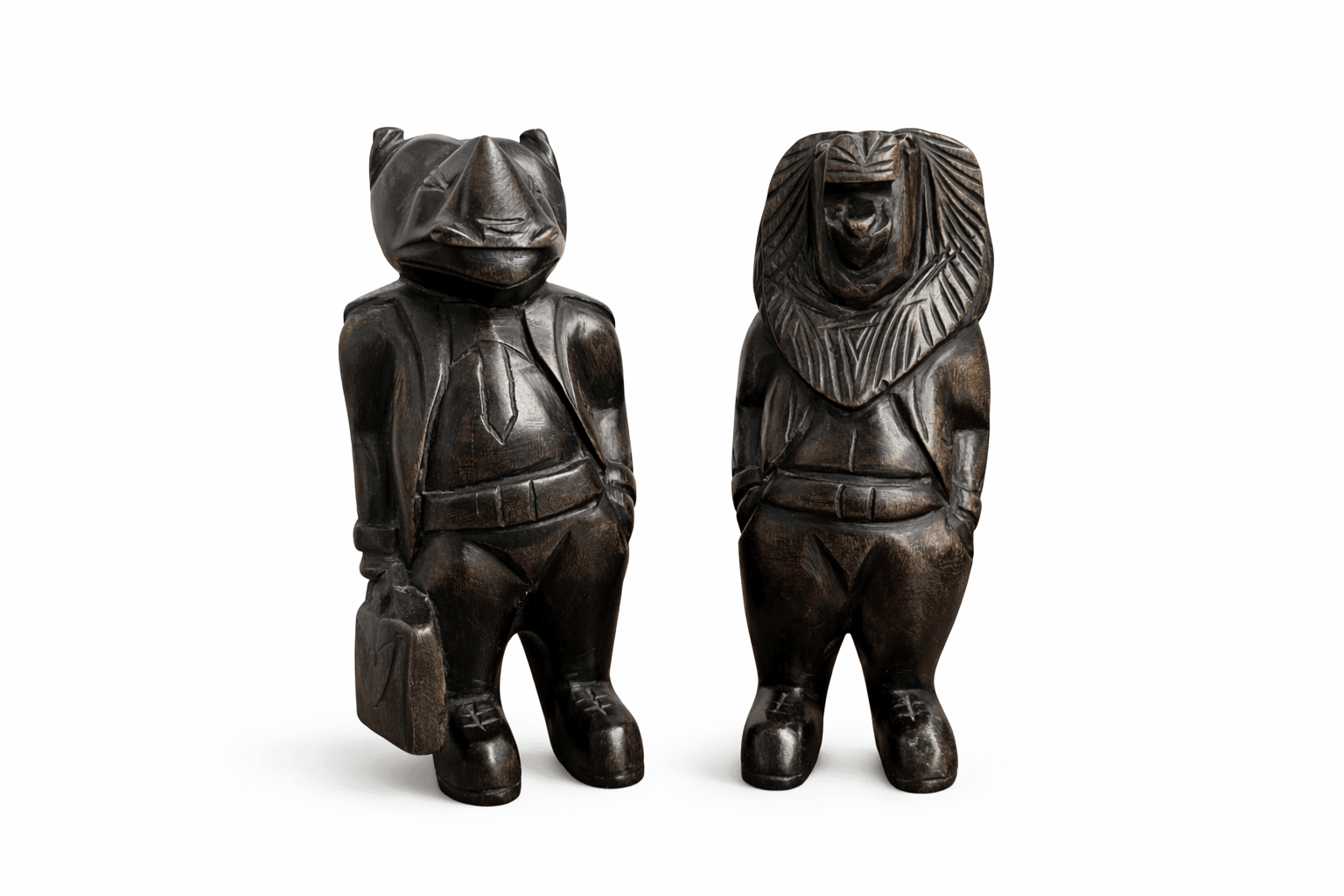
What creative work looks like when systems are still being built around it — handmade, direct, and deeply personal.
The Missing Piece
What’s missing in the workflow of many African Creatives is a working system.
And that working system is Escape Marketplace.
Conclusion
African creatives are not struggling to succeed because they lack talent. What’s missing is structure, the systems that make it possible for that talent to survive, repeat, and scale without burning the person behind it out. Until that changes, we’ll keep seeing the same pattern; incredible work that travels far in attention, but not always in profit. And maybe that’s where the real shift to Africa’s creative economy lies.