
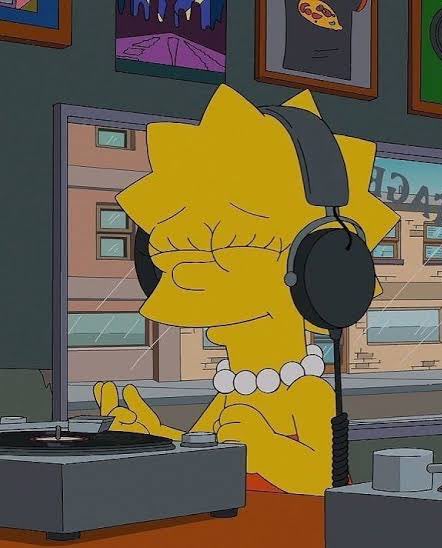
There is something peculiar about hearing a song you haven’t listened to in years, particularly when it happens spontaneously: a familiar melody comes on, and within seconds, it brings back a memory, an emotion or a feeling you weren’t consciously trying to recall.
Suddenly, you’re remembering a particular journey, a friendship, a place you used to visit or a version of yourself you haven’t thought about in a while. For a moment, the song takes you back to a time you can no longer visit in person.
It’s an experience many listeners know. But with new music and sounds being released constantly, why do we still return to songs we’ve heard countless times before? Why do we sometimes find ourselves reaching backwards, even when there’s so much new music to discover?
The Pull of Nostalgia
One of the most obvious reasons is nostalgia. Music has a way of becoming attached to particular moments in our lives. Think of the seemingly halcyon days of 2016. For some Gen Z listeners, hearing Justin Bieber’s Love Yourself, Desiigner’s Panda or Sia’s Cheap Thrills, featuring Sean Paul, might bring back memories of secondary school, old friendships, former relationships or a period when life felt considerably less complicated.
Returning to these songs can become a way of revisiting those experiences. It doesn’t necessarily mean we want to return to the past itself. Sometimes, we just want to reconnect with how a particular period made us feel.
This connection between music and memory is more than a sentimental observation. In a 2008 paper, Music, Memory and Emotion, neuroscientist Lutz Jäncke discusses the relationship between music, emotional responses and memory. This helps explain why a familiar melody can do more than sound recognisable; it can bring back memories and emotions associated with the experiences surrounding it.
In that sense, old songs can become something like personal memory banks. A few seconds of a familiar track can unlock memories that might otherwise have remained dormant, offering a glimpse into moments we hadn’t consciously revisited.
Hearing an old song with new ears: Personal Rediscovery
But nostalgia cannot explain every return. Sometimes, we revisit a song because we appreciate it differently from when we first heard it.
A lyric that once seemed ordinary might acquire a different meaning after a few years of living. A production detail we barely noticed might become the very thing that keeps us listening. An artist’s perspective might make more sense to us after we’ve experienced something similar ourselves. The song hasn’t necessarily changed; we’ve just brought a different perspective to it.
There’s also the possibility that we simply didn’t appreciate the music enough the first time around. Our tastes develop, our experiences accumulate, and the things we look for in music change. A song we once skipped might eventually become one we deliberately seek out.
J. Cole touches on this idea in Let Go My Hand, when he raps about stepping away, living and allowing time to provide a new prescription for clearer vision. It’s an interesting way to think about our relationship with music; sometimes, appreciating something requires a little distance from it.
In this way, returning to old music can be a form of rediscovery. Where we are not necessarily looking for the feeling the song gave us before. We may be discovering something in it that we weren’t ready to recognize at the time.
When Old Music Finds A New Audience
Not every return to an old song begins with personal memory. Sometimes, the song finds its way back into our lives because someone else has brought it into the present.
The way people discover music today makes this particularly interesting. Older tracks regularly find new audiences through short-form videos, dance trends, film and television placements, remixes and online conversations. A song released years ago can suddenly become part of the current cultural conversation.
A recent example is Skales’ Shake Body, a record originally released in 2014, which experienced renewed attention in 2025 after Spanish footballer Lamine Yamal shared videos of himself dancing to the track alongside teammates. The posts brought renewed attention to the record, introducing it to a new wave of listeners. For others, it was an unexpected reunion with something they already knew.

screenshot of a recorded instagram live session of lamine yamal and teammates dancing to skale's shake body
The renewed attention can also change how a song is experienced. A track originally associated with a particular artist or period might acquire a different identity through a viral dance, a film scene or a new cultural reference. Its original audience may return to it out of familiarity, while a younger audience discovers it through an entirely different context.
Old music, then, doesn’t always need to wait for listeners to remember it. Sometimes, it is given a new reason to be heard.
Songs of the Season
There are also songs we return to because of when we listen to them.
Some music seems almost inseparable from particular seasons, celebrations or recurring occasions. Christmas songs are perhaps the clearest example. Regardless of how long ago they were released, certain tracks make their way back into our playlists every December.
A familiar example is Mariah Carey’s All I Want for Christmas Is You, released in 1994. More than three decades later, it remains a recurring feature of the festive season, regularly climbing music charts around the world as Christmas approaches.
The same can happen with songs associated with Easter, birthdays, weddings, school events or even particular periods of the year. Their relevance isn’t necessarily dependent on whether they’re new or old. The occasion gives us a reason to listen again.
In some cases, the familiarity is precisely what makes these songs enjoyable. We know when they’ll return, anticipate hearing them and, eventually, their absence might almost make the occasion feel incomplete. The music becomes less about discovery and more about participating in a familiar experience.
When Old Music Inspires Something New
There’s another interesting dimension to revisiting old music: sometimes, we return not simply to listen, but to create.
Artists have long drawn inspiration from older records, whether through sampling, interpolation, covers or reinterpretations. A familiar melody, rhythm or vocal passage can become the foundation for something entirely different.
Sampling provides a way for older songs to find new life through contemporary music. Burna Boy’s Last Last, for instance, samples Toni Braxton’s He Wasn’t Man Enough, while Davido’s Like Dat draws from Fuji legend K1 De Ultimate’s Agogo Ko Ma Ro.
A more recent example is Zaylevelten’s Tease Me, which revisits Wizkid’s Tease Me/Bad Guys. Released in 2026 as part of his B4SAVEME EP, the record samples and interpolates elements of Wizkid’s 2010s-era Afropop hit, reworking its familiar sounds within a different musical style for a younger audience.
These examples demonstrate how older recordings can find renewed relevance through contemporary music. Sampling turns nostalgia into a creative engine: a familiar R&B hook or a Fuji vocal can become the foundation of a contemporary hit. It also gives younger listeners another reason to seek out original recordings, tracing familiar melodies back to the artists and records that first introduced them.
The relationship between old and new music, therefore, isn’t always one of competition. Sometimes, the old provides the material through which something new is made, while the new gives listeners another reason to appreciate what came before it.
Why we keep returning
Perhaps what makes old music so interesting is its ability to exist beyond the moment it was created. A song released ten or twenty years ago can still find relevance in a listener’s present, whether through an old memory, a newfound appreciation or an entirely new audience.
Unlike the moments we associate them with, songs remain accessible. We can revisit them, interpret them differently and sometimes discover something we had overlooked. The recording stays the same, but the person listening to it doesn’t.
Maybe that’s why we never quite run out of reasons to return to old music. Sometimes, we’re looking for a familiar feeling. Other times, we’re hearing something for the first time, despite having heard it countless times before.
We grow older, our experiences change, and our understanding of things evolves. Yet, somehow, a song recorded years ago can keep finding new ways to meet us where we are.